

Introduction — a clinic moment, some numbers, one question
I remember a busy afternoon at my clinic: a nurse juggling schedules, a client quietly hopeful about a quicker recovery, and an old infrared unit humming in the corner. I run a red light therapy company, and that exact scene has played out across several centres I visit—double shifts, short consultations, and growing demand for reliable recovery tools (it’s more common than people realise). Recent trade surveys show clinics are offering photobiomodulation services more often, and patients expect measurable outcomes. So here’s my question: how do we translate rising interest into devices and protocols that actually deliver consistent results for both clinicians and clients?
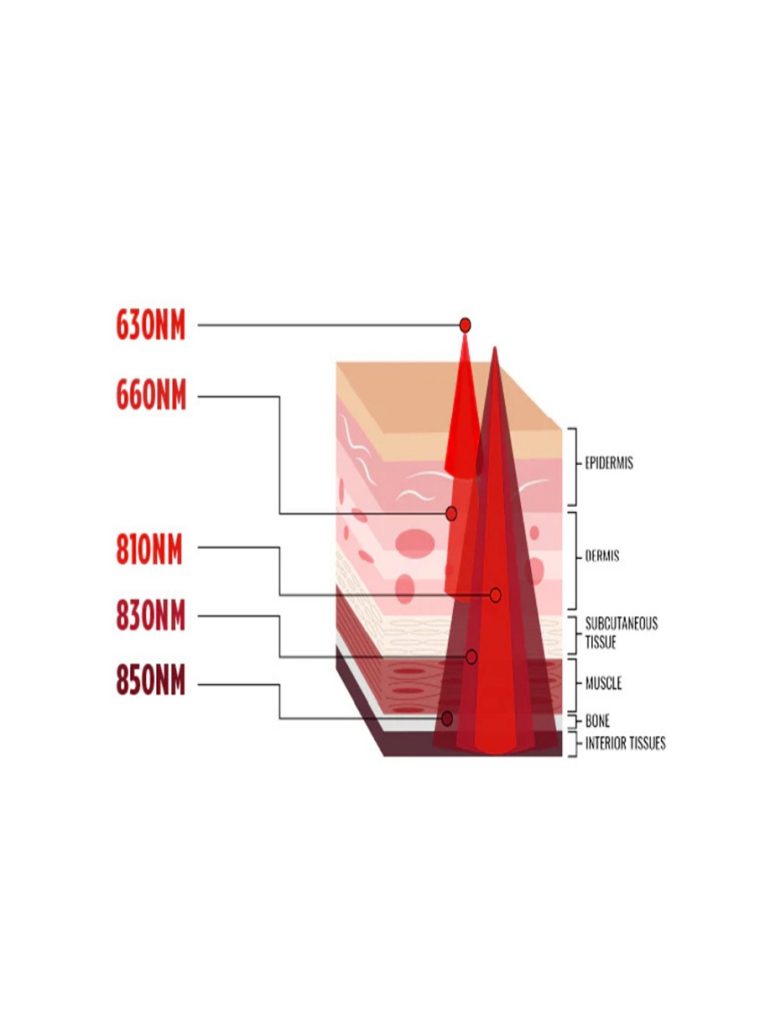
I want to be clear: I’m optimistic about the potential. But optimism alone doesn’t fix poor design or confusing specs. We need to look at what practical choices matter—wavelength clarity, consistent irradiance, safety features—and then test them in real settings. Next, I’ll walk through the real technical gaps I see when clinics select an infrared solution, and why those gaps matter to people who come in for help.
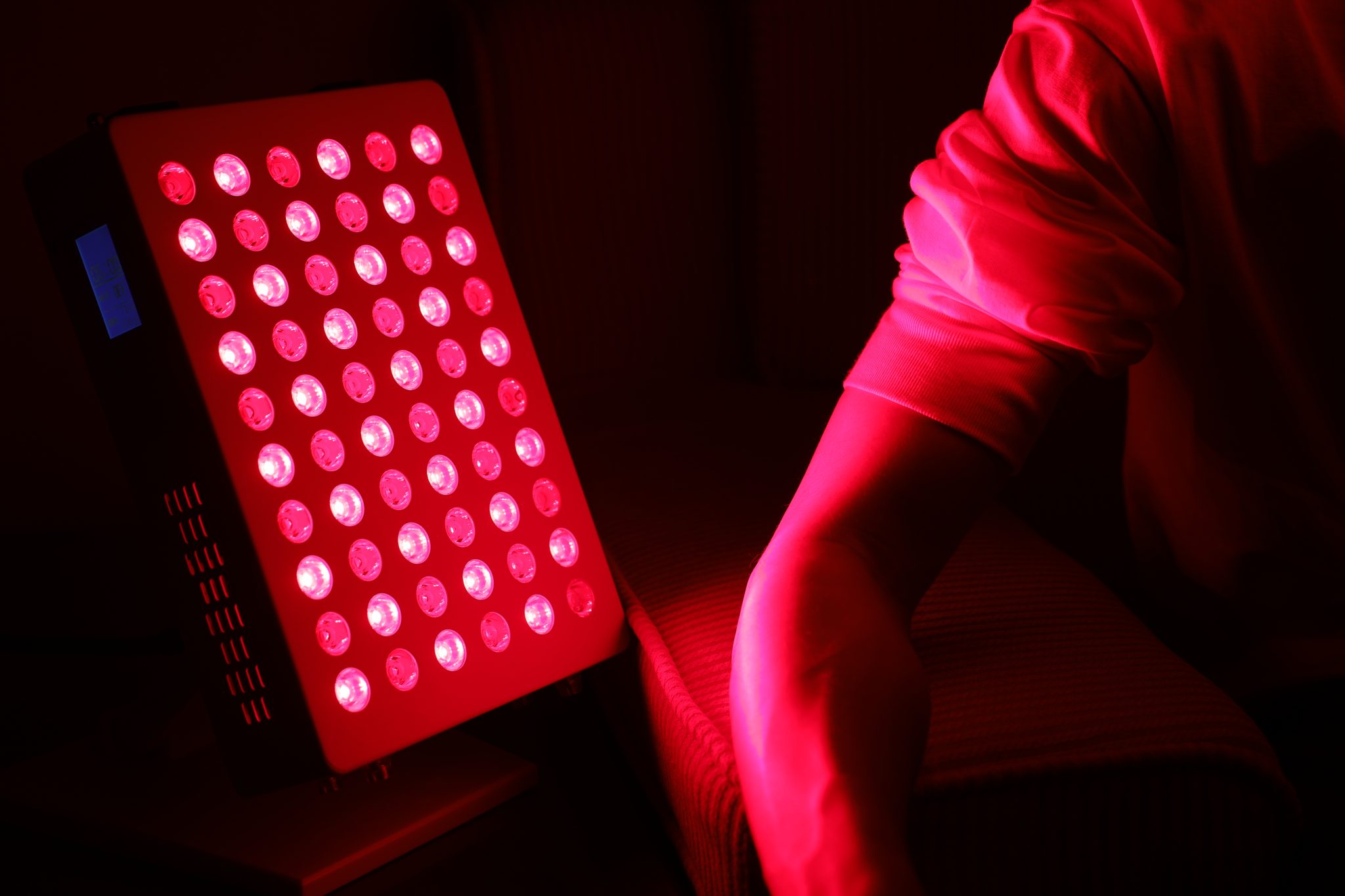
Where standard infrared beds fall short (technical breakdown)
When clinics choose an infrared light bed, they expect even coverage and predictable dosing. In practice, that expectation often clashes with reality. From my hands-on work I’ve seen three recurring technical flaws: inconsistent wavelength output across an LED array, steep irradiance fall-off at the edges, and inadequate dosimetry—meaning no reliable way to measure what the tissue actually receives. These are not buzzwords; wavelength and irradiance directly influence photobiomodulation effects, and poor specs mean unpredictable results. Also, many units skimp on cooling or power converters, so they throttle output over time to avoid overheating. That changes treatment dose mid-session—frustrating for clinicians and clients alike.
Why does this matter?
Because effective therapy depends on repeatable exposure. Look, it’s simpler than you think: if your device can’t deliver the promised watts per square centimetre at the target wavelength, you’re guessing. I’ve watched facilities spend thousands on a bed that looks premium yet produces patchy results. The hidden user pain points go beyond tech: staff need clear protocols, clients want short, reliable sessions, and managers demand documented outcomes. When devices lack integrated sensors or easy verification, clinics create workarounds—manual measurements, trial-and-error durations, complicated appointment notes. That eats time and undercuts trust.
What’s next — practical advances and three metrics to evaluate
Real-world improvements and how to judge them
New device designs are focusing on measurable performance, not just fancy panels. I expect—and increasingly see—improvements like calibrated LED arrays with tighter wavelength tolerances, integrated dosimetry sensors, better thermal management via advanced power converters, and modular designs that let clinics scale by adding panels rather than replacing an entire bed. The goal is predictable photon delivery: consistent irradiance across the treatment surface, verified in real time. When an infrared light bed reports its output and logs the session, clinicians can compare protocols, refine doses, and show patients progress with data (— funny how that helps build confidence, right?).
Looking forward, I’d also watch for smarter user interfaces and cloud-connected analytics. That combination can simplify staff training, reduce human error, and make maintenance proactive rather than reactive. It’s tempting to chase the cheapest option, but in my experience the real savings come from devices that reduce session variability and downtime. So here are three practical evaluation metrics I use when advising clinics: 1) Measured irradiance and wavelength accuracy—can the manufacturer provide third-party validation? 2) Thermal control and longevity—does the unit maintain output over time without derating? 3) Usability and verification—are there integrated sensors, logs, and clear protocols so staff can reproduce results? Those three checks tell you more than glossy marketing ever will.
To close, I believe we’re at a pivot point where better engineering and honest data can move red light therapy from hopeful trend to dependable clinic tool. I’ll keep testing, advising, and sharing what works, and yes—I’ll keep pushing for devices that respect both patients and practitioners. For clinics looking for partners who take those steps seriously, I recommend checking innovations from Magique Power as part of your evaluation process.