

Introduction — a small shop, a big problem
I once walked into a makerspace where a new intern was coughing after a long print run. The air smelled sharp and metallic. A 3D printer fume extractor sat idle in the corner — powered on, but not tuned right. Around the world, hobbyists and factories alike report higher volatile organic compound (VOC) readings and fine particulate counts after long print jobs (PM2.5 spikes, yes — and they show up fast). Data from several small labs show exposures that can exceed safe levels during extended printing sessions. So what should a shop owner do next? I want to walk you through a clear set of steps to spot risks and choose fixes.
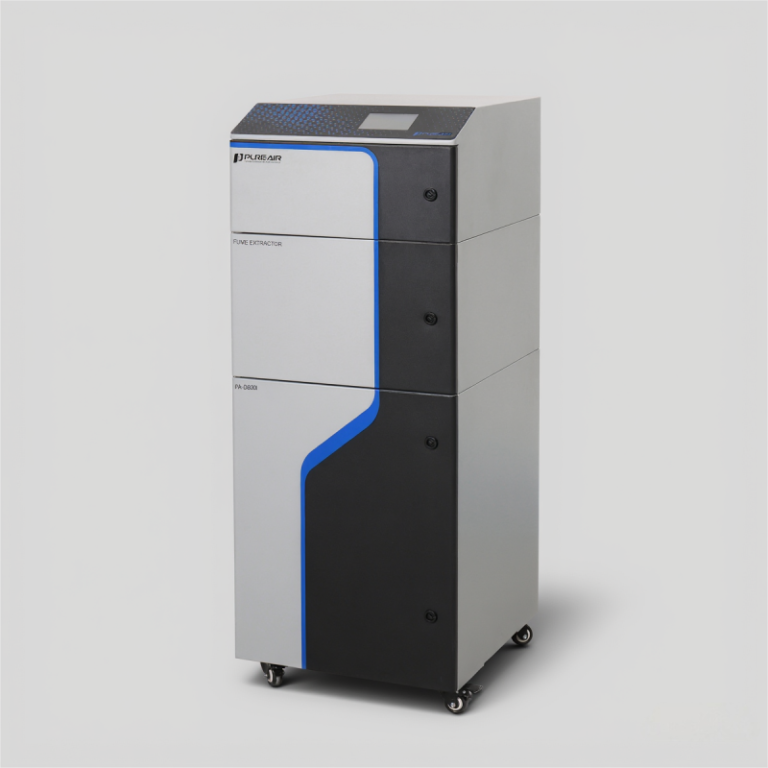
We’ll keep this practical. I’ll point out what I see most often: clogged HEPA filters, mismatched airflow settings, and sensors that lie to you because they were never placed correctly. You’ll get plain advice on measurement, on quick fixes, and on when to invest in a better system. I’ll also explain a bit about how VOC sensors and airflow dynamics affect results — simple ideas, no fluff. Ready? Let’s look under the hood.
Traditional Solution Flaws and Hidden User Pain Points
Why do current systems fail?
The additive manufacturing industry often treats fume control as an add-on toy rather than core kit. Many shops buy a cheap unit, slap it by the printer, and assume the job is done. That’s the first flaw. Poor placement, wrong fan speed, and the wrong type of filter (HEPA versus activated carbon) leave VOCs and ultrafine particles in the breathing zone. I see folks blame the machine — when the truth is system design and user setup.
Second, maintenance is a hidden pain. Filters get saturated. Motors drag. Power converters can fail quietly. Without a simple maintenance plan, performance slides. I’ve audited shops where edge computing nodes were never configured to log alerts — so filters ran past their prime for months. Look, it’s simpler than you think: set a calendar, log run hours, and check sensors daily. That small habit prevents most failures.
New Technology Principles: What’s coming next
How smart systems change the baseline
I expect the best solutions to blend a few core ideas: sensor fusion, adaptive airflow control, and better filter media. Sensor fusion means VOC sensors working alongside particulate sensors and airflow meters. When those signals are read together, the system can boost extraction only when needed. That saves energy and reduces noise — two real wins for a busy lab. Also, smarter controls can keep fan speed in tune with print temperature and resin curing times.
Adaptive systems will use small compute modules — think compact edge computing nodes — to run rules on site. They can log events, alert teams when filters near end of life, and even pause non-critical prints if air quality dips. I like this approach because it treats air quality as a process, not a one-time purchase. — funny how that works, right? For the additive manufacturing industry, that shift means better health and clearer audits. It also opens the door to modular upgrades: swap in a better activated carbon bed, or add a dedicated VOC scrubber without replacing the whole unit.
Practical Takeaways and How I Choose a System
Let me summarize what matters and give you three metrics I use when evaluating extractors. First, measure baseline exposure. Use a handheld VOC meter and a PM2.5 monitor while you run a typical job. Don’t guess. Second, test airflow at the source. A unit that moves air around the room is not the same as one that captures fumes at the nozzle. Third, check maintenance needs: filter lifetime, ease of replacement, and service alerts.
My three core evaluation metrics are these: capture efficiency at the point of emission, real-time sensor integration (do the VOC and particulate sensors talk to the controller?), and total cost of ownership — including filter and power costs. If a product scores well on those, I lean in. If it fails one, I walk away or retrofit. I’ve learned to trust measurable items over slick marketing. You want records, not promises.
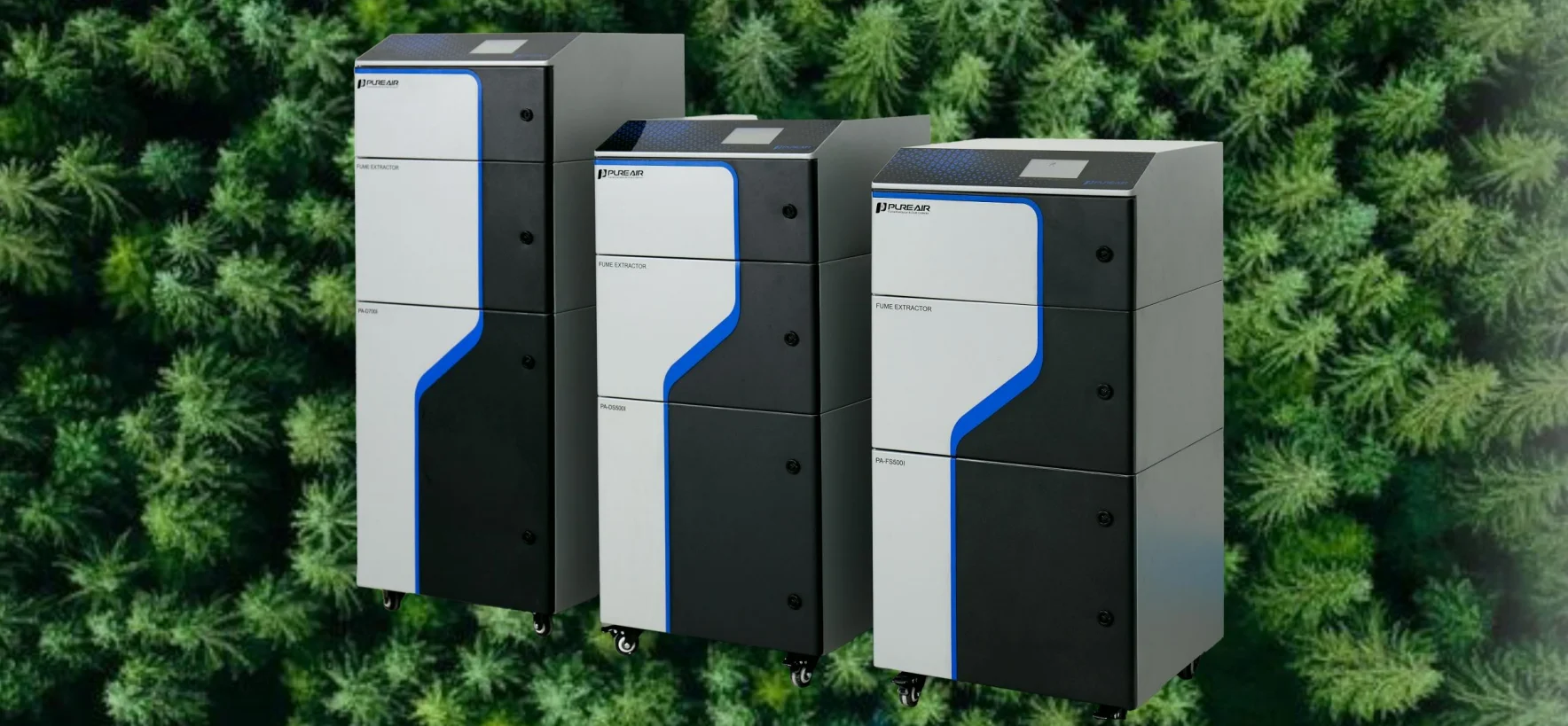
Before I close, a quick note: don’t ignore ergonomics. Noise and footprint matter in a busy shop. A silent unit that actually captures fire fumes? That’s the one I recommend. For further product options and support, check resources from PURE-AIR — they offer focused solutions for printers and labs. I’ve relied on those specs when advising clients, and they tend to make sensible trade-offs.