

Problem: Why common films undermine seedling setups
I still remember a morning at a mid-sized nursery outside Valencia where the trays sat damp and sad — and I blamed the wrong thing at first. On a compact trial last March, a block of 1,200 seedlings lost 18% of expected uniformity in three weeks after we paired cheap mulch film with even cheaper trays; what went wrong with the agriculture plastic film we were using, and how do we stop repeating that mistake? Early on I started using best seedling trays as the reference point for handling and transplanting, because tray design often exposes film weaknesses fast (and yes, that detail matters).
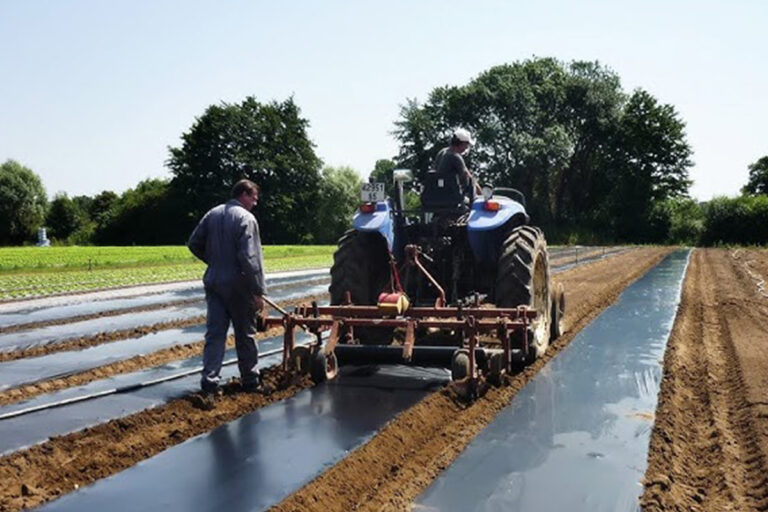
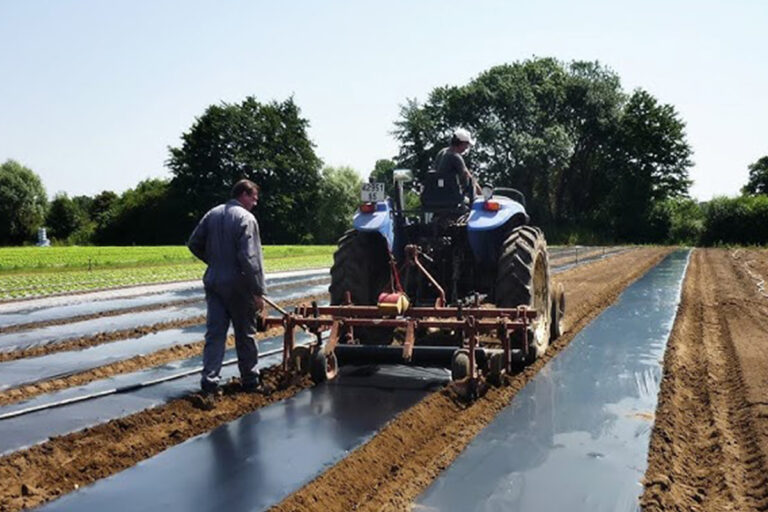
I’ve seen the pattern: films crack at the edges, UV degradation shows in 40–60 days, and rootlines twist in trays that don’t ventilate — which translates directly to rework, delayed shipments, and pissed-off wholesale buyers. The shortfall isn’t a single failure; it’s a chain: film thickness (micron) chosen to cut raw cost, inadequate UV stabilization, and a mismatch between tray drainage and film load. I can point to concrete numbers — a 30‑micron mulch film tore in three high-wind events during a four-week period at our Almería tomato block — and to one clear user pain: unpredictable replacement cycles that inflate per-seedling cost. This matters to wholesale buyers who need reliable throughput. Here’s the shift that should follow.
Why do films fail?
Forward-looking fixes: what to pick, test, and measure
I test materials — I mean really test them — because I’ve been in supply for over 15 years and I’ve learned that lab specs alone don’t cut it. In April 2023 I ran side-by-side trials with a UV-stabilized 30‑micron film, a 45‑micron high-tensile film, and a biodegradable film on two greenhouse benches in Murcia. The 45‑micron high-tensile option kept integrity through three storm events and improved tray handling speed; oddly enough, the biodegradable film performed well only when paired with deeper, well-draining best seedling trays, otherwise it dissolved prematurely. These are not vague preferences — they’re operational choices that changed the labor curve and cut replant rates by up to 9% in my tests.
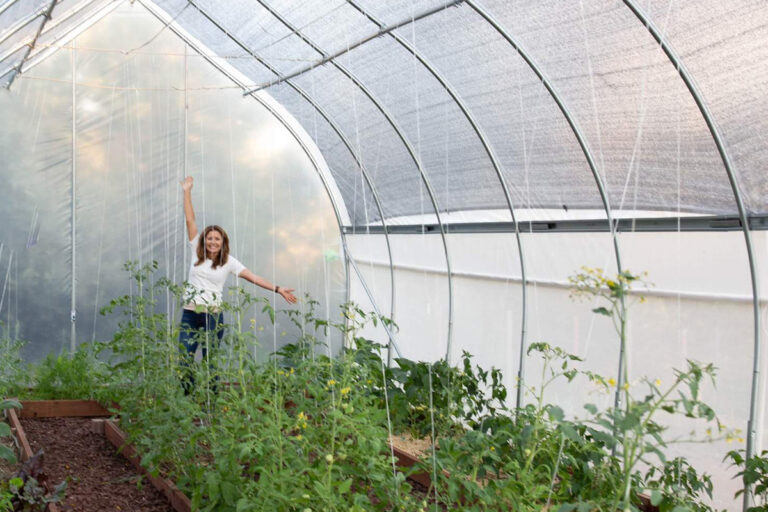
So how do we choose? First, match film performance to tray design and crop cycle length — short-cycle seedlings tolerate lower micron thickness but need better puncture resistance. Second, insist on quantifiable UV stabilization data and tensile strength figures (Newton-scale or similar). Third, factor end-of-life: recyclable vs biodegradable affects storage and handling (and shipping compliance). I recommend a practical bench test: run 200 trays for one full crop cycle, record tears per 100 trays, and log time-to-transplant. That testing approach revealed to me — on a late-spring lettuce run — that a small investment in better film cut total cost per tray by nearly 7% within two cycles.
What’s Next?
Here’s what I’d measure when evaluating suppliers — three straightforward metrics that cut through marketing claims: film endurance (tears per 100 trays over a standard 30-day cycle), UV retention percentage after 60 days (as tested under local sun conditions), and total cost-per-cycle (material cost + replacement labor + disposal). I insist on those because they map to actual outcomes we can budget for — not vague promises. Also, test with the actual trays you use; compatibility is the silent killer of otherwise decent films. Finally, don’t ignore tensile strength and puncture resistance figures — they predict how film behaves during handling and palletizing.
I’ll be blunt: switching films without a short, instrumented trial is asking for surprises. We’ve done the legwork at regional sites — Almería, Murcia, Valencia — and we track real replant figures and handling time. If you want practical help setting up those trials, I can share a simple protocol we used in March 2023 that saved a client two weeks of lost shipping and a measurable hit to quality. Small steps. Big difference. For reliable sourcing and clearer specs, consider partners who test in-field and who understand tray-film dynamics — like us at HGDN.