

Start with what matters to you
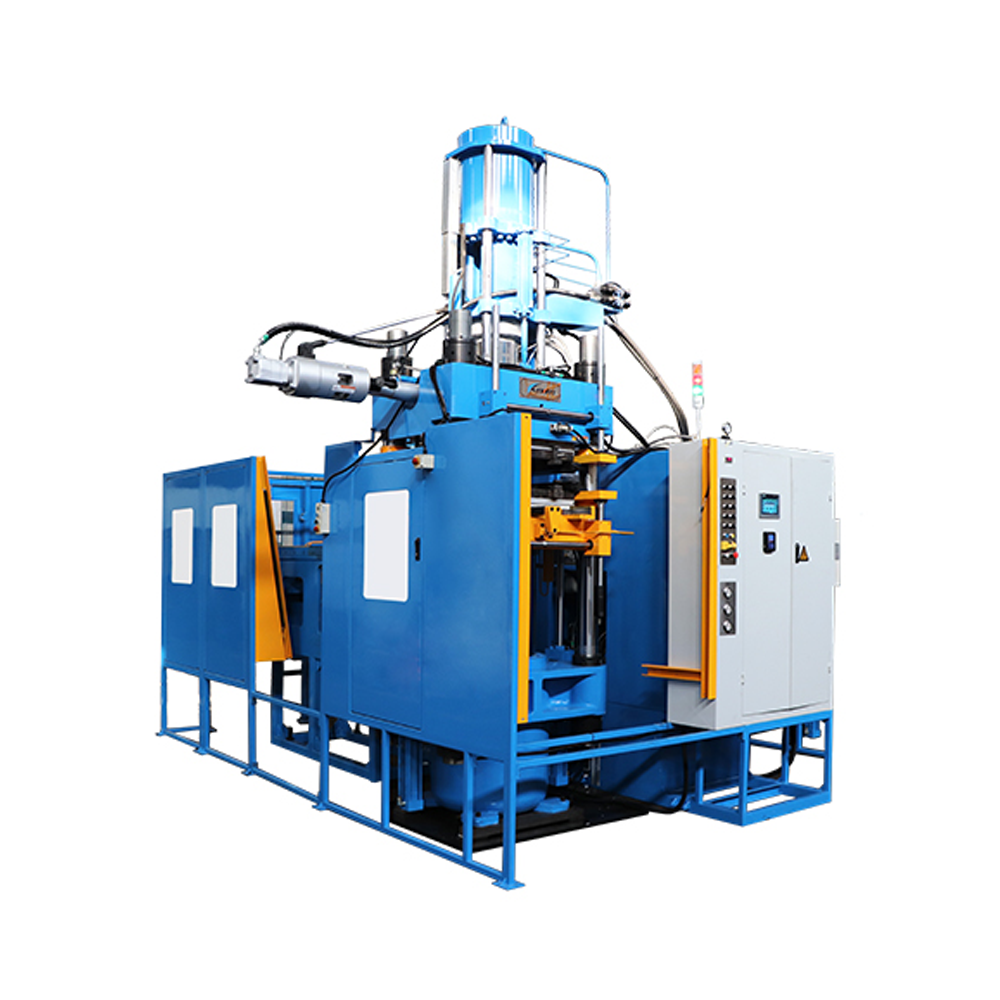
You want predictable parts, fewer rejects, and less downtime — nothing fancy, just steady output. Start by checking your machine basics: platen alignment, clamp force, and the dosing system. If you run a c frame rubber injection molding machine, treat the dosing as sacred; small variances in shot volume show up instantly at the finished-part level. Focus on consistent shot volume and clean, repeatable plasticizing as your primary KPIs.
Simple checklist to stabilize shot volume
Keep the checklist short and actionable: stabilize melt temperature, lock down injection pressure, verify screw speed, and confirm proper venting. Use tight tolerances on material feed and preheat. Calibrate shot measurement weekly — that removes drift. A stable mold temperature and correct ram stroke settings reduce shot-to-shot variation. These checks cut the guesswork and help you hit consistent shot volume every shift.
Plasticizing tweaks that actually move the needle
Plasticizing is where viscosity and time meet — adjust barrel zones, screw profile, and backpressure to get a uniform melt. Lower barrel temperature spreads heat more slowly; higher backpressure can homogenize the compound but raises cycle energy. Watch residence time: too long and you risk scorch, too short and you get unmixed pockets. Small screw speed tweaks often give big improvements in melt consistency and downstream shot repeatability.
Common mistakes shops keep making — and how to stop them
They ignore materials and blame the machine. Wrong compound batch, inconsistent dust in feed, or wet rubber will wreck any control strategy. They also skip preventive maintenance; worn seals and sloppy valves cause transient injection pressure spikes. Fix the basics first — clean feed, scheduled screw inspections, and valve checks. Do this and your shot-to-shot numbers improve without heroic process tuning — trust the fundamentals.
Real-world anchor: a Detroit supplier’s quick fix
A Tier 1 supplier near Detroit reduced scrap by 18% after focusing on two things: tighter mold temperature control and a routine screw inspection. They swapped a worn screw and tightened temperature loop PID gains, then tracked shot volume across 1,000 cycles. The result was immediate: fewer flash issues and better dimensional control. That example shows how practical changes — not expensive overhauls — can restore consistency.
When to consider a new hot press or transfer solution
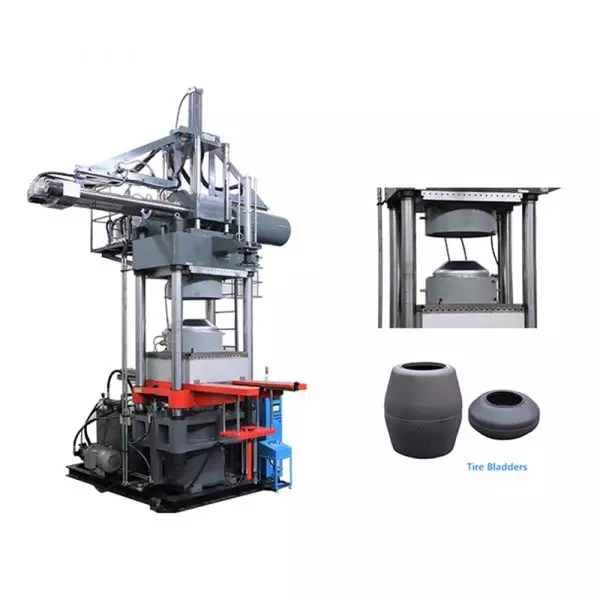
If frequent rebuilds or unstable injection pressure persist, it’s time to evaluate equipment. Look at platen rigidity, shot repeatability specs, and control resolution. A modern hot press machine for c frame with digital control can stabilize mold temperature and injection profiling, which reduces manual tuning. Prioritize machines that let you log shot volume and cycle data — that data is gold for continuous improvement.
Quick troubleshooting flow you can use on the floor
Measure first: log shot weight, injection pressure, and mold temperature for three shifts. If shot weight drifts, inspect screw wear and material feed. If pressure spikes, check valves and hydraulic oil contamination. If parts are inconsistent but numbers look stable, examine mold cooling and venting. These steps narrow issues fast — you avoid swapping parts blindly and find root causes instead.
Three golden rules for choosing strategies and tools
1) Metric over feeling: prioritize measurable shot-to-shot data, not operator intuition. 2) Minimize variables: reduce material, temperature, and cycle variability before changing machine settings. 3) Invest in logging and controls: the right controls and a reliable hot press platform let you enforce settings and review trends. For shop managers, HWAYI often fits that role by pairing robust c‑frame designs with the control features you need — practical, not flashy. —