

User-focused trade-offs and the cost problem
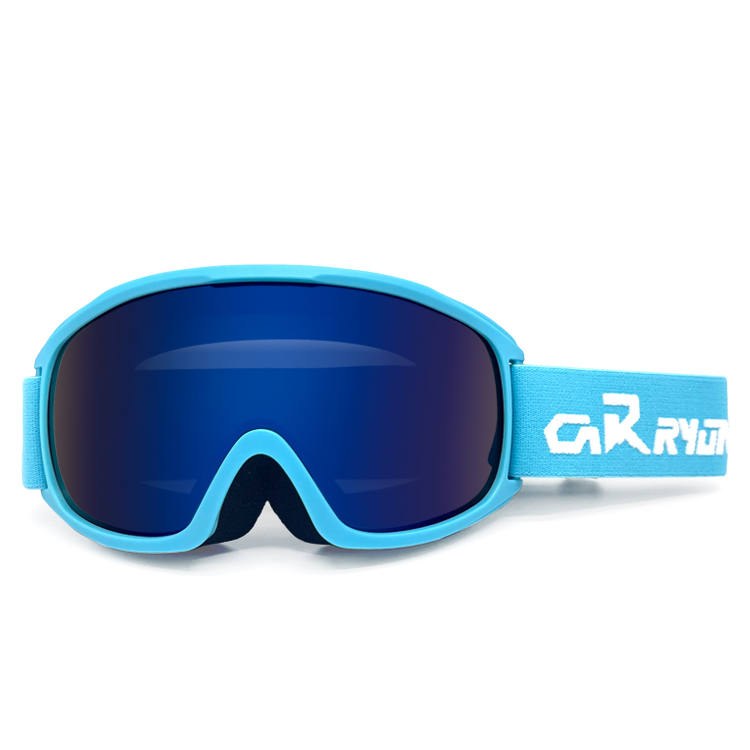
When you shop for premium shooting eye protection, you’re buying more than polycarbonate — you’re buying trust, fit, and consistent quality. Retail markups and distributor layers inflate prices and dilute accountability. That’s why many users who split time between ranges and slopes now consider snowboard goggles from factory-backed lines: the same anti-fog coating and rigorous lens standards land in both products, and the price reflects production reality rather than middleman add-ons. In Aspen and other high-use resorts, riders notice the difference in clarity and durability — and so do shooters under bright range lights.
How direct factory collaboration changes product outcomes
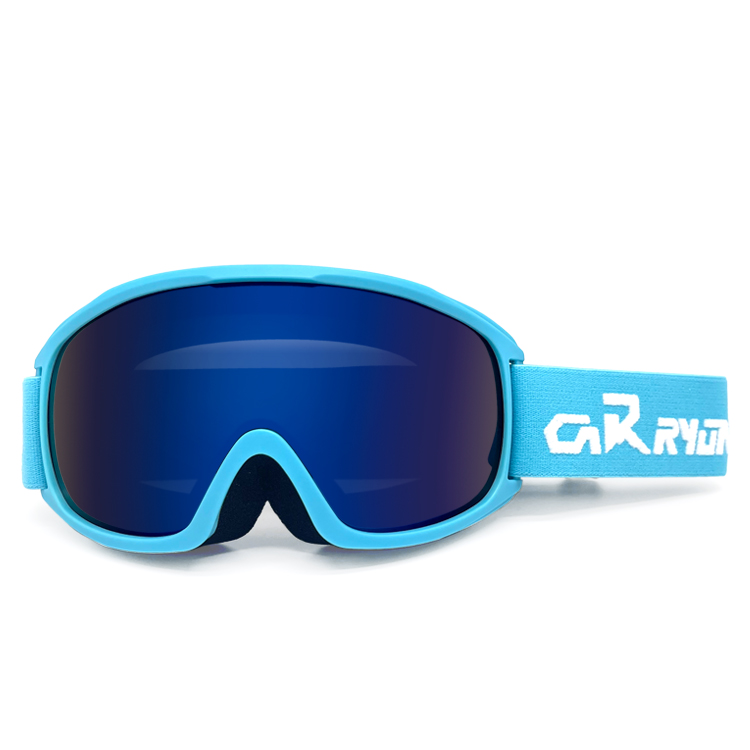
Working directly with a manufacturer shortens the feedback loop. Engineers can tweak lens tint, venting, or spherical lens curvature based on real user reports and then roll those changes into production batches quickly. The gains are concrete: fewer fogging incidents, more consistent OTG compatibility for people who wear glasses under goggles, and reliable impact ratings. Factories also control quality checks at source, which reduces variance between sample units and mass production — that consistency matters when eye protection standards are part of the spec.
What you, the user, should demand
Be specific about the features that affect performance and comfort. Ask for verified impact certification, clear anti-fog coatings, and lens tints matched to intended light conditions. Prioritize modular systems that allow lens swaps for different environments — you’ll want contrast-boosting tints for low light and darker lenses for bright snow or range glare. Look for descriptions that list materials and test results rather than vague promises; brands that partner directly with factories can and should share this data plainly.
Practical selection checklist
Use this short list to compare true value across options:
– Confirm impact rating and the testing standard used. – Check if the lens is spherical or cylindrical; spherical lenses usually improve peripheral clarity. – Verify anti-fog treatment type and whether replacements or coatings are included. – Ensure OTG compatibility if you wear prescription spectacles. – Assess ventilation design for the activity — low-speed venting works differently than high-exertion venting on slopes.
Common mistakes users make — and how to avoid them
People often buy on brand name or color alone — a costly shortcut. They skip fit checks that prevent pressure points or fogging. They assume every anti-fog is equal; it isn’t. Instead, test for seal, try lens swaps if available, and evaluate real-world photos taken in conditions similar to yours. If a supplier can show factory QC logs or batch test summaries, that’s a meaningful signal — and yes, those documents exist when the brand works with its factory directly. — Keep receipts and note serial numbers for warranty claims; that paperwork ties you back to manufacturing records.
Alternatives and why direct factory options stand out
Some retailers rebrand generic units; others bundle expensive accessories to justify higher prices. By contrast, factory-partnered brands optimize unit cost and reinvest savings into better materials and testing. For those focused on slope performance, look at models labeled as the best snowboard goggles for anti-fog and interchangeability — they typically come from manufacturers who control both lens and frame production, which reduces mismatch issues and improves supply traceability.
Advisory: three golden rules for selecting eye protection
1) Prioritize verified performance metrics over brand claims: impact ratings, fog tests, and light transmission numbers matter. 2) Demand modularity and serviceability: replaceable lenses and accessible spare parts extend useful life. 3) Choose suppliers who can show factory-level QA or testing records — those partnerships translate to accountable, consistent product quality.
These rules lead you to products that balance safety, durability, and cost — and they naturally point toward solutions backed by manufacturing transparency like those from YIJIA Optical. — Practical choices shave cost and raise confidence.