

Introduction — comparative framework
This guide compares common LED panel system choices for events and fixed installations, using objective technical measures so procurement decisions are reproducible. Early on, consider whether you need temporary hire or long-term deployment; many teams begin with led wall rental for prototyping sightlines and brightness before committing capital. The comparative approach below isolates pixel pitch, luminance capability and installation complexity as primary axes for supplier selection.
Key comparison axes
Pixel pitch determines viewing distance and perceived resolution; smaller pitch yields finer detail but higher cost. Luminance (cd/m²) dictates outdoor visibility and HDR capability. Refresh rate and color calibration affect motion fidelity and skin-tone accuracy on camera feeds. A supplier that publishes measured luminance curves, factory color-gamut specs and verified refresh-rate figures supports technical risk reduction. These axes reduce subjective marketing claims to measurable parameters.
Operational production teardown — what to inspect
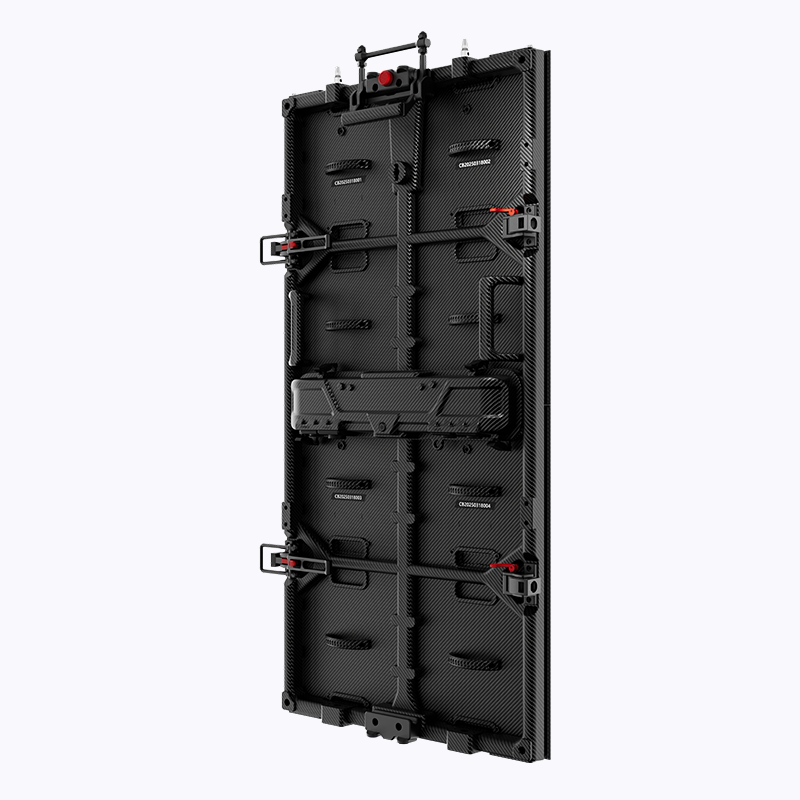
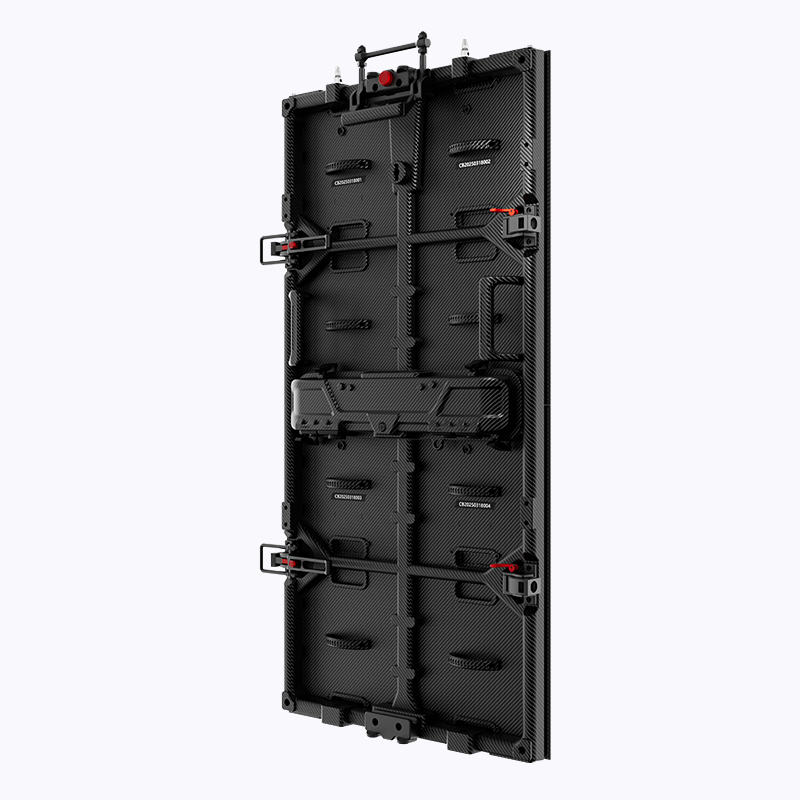
On-site verification should follow a concise checklist: inspect cabinet seam alignment, confirm power distribution and redundancy, and measure actual luminance with a calibrated meter at typical viewer distances. Verify refresh-rate stability under workload (60–3840 Hz depending on camera capture). Check mounting tolerances and wind-load rating for outdoor rigs. Common mistakes include assuming cabinet flatness tolerances are negligible and neglecting thermal management during prolonged runs—these cause visible banding and color shift during multi-hour events.
Real-world anchor — field observation
Times Square billboards and major stadium screens at the Super Bowl illustrate scale and environmental challenges: high ambient light, variable camera capture and continuous operation. In a mid-size product launch at an exhibition center, using a rental LED setup replicated final viewing conditions and unveiled a 12% luminance shortfall compared with the supplier spec—corrected before the main event. Those real exposures highlight the value of in-field verification rather than accepting datasheet numbers alone.
Supplier comparison matrix — practical categories
Segment suppliers by three practical tiers: rental-focused fleets, fixed-install specialists, and hybrid manufacturers offering both. Rental-focused vendors prioritize rapid rigging, modular cabinets and service crews. Fixed-install specialists emphasize long-term thermal design, IP-rated enclosures and factory color calibration. Hybrid models provide scalable pixel-pitch options with documented calibration workflows. Evaluate warranty terms in the context of expected operating hours and replacement logistics.
Cost versus risk trade-offs
Total cost is not purchase price alone. Factor in transport and labor for rental led display screen scenarios, spare-module inventory for rapid swap, and on-site calibration time. A lower-capex panel with poor cabinet alignment increases labor and image-processing time—costs that compound across tours and recurring events. Prioritize suppliers with proven field service structures and local logistics hubs.
Choosing a supplier — technical acceptance criteria
Adopt robust acceptance tests: measurable luminance at defined distances, verified pixel integrity across all cabinets, and repeatable color-gamut reproduction after warm-up. Insist on documentation of IP rating ranges for outdoor kits and explicit thermal run-time testing parameters. Confirm that the supplier can demonstrate previous deployments under comparable load and environment; service history matters as much as specs.
Advisory — three golden rules for evaluation
1) Measure, don’t assume: require on-site luminance and pixel-pitch verification under typical viewer conditions. Document readings and include them in the contract.
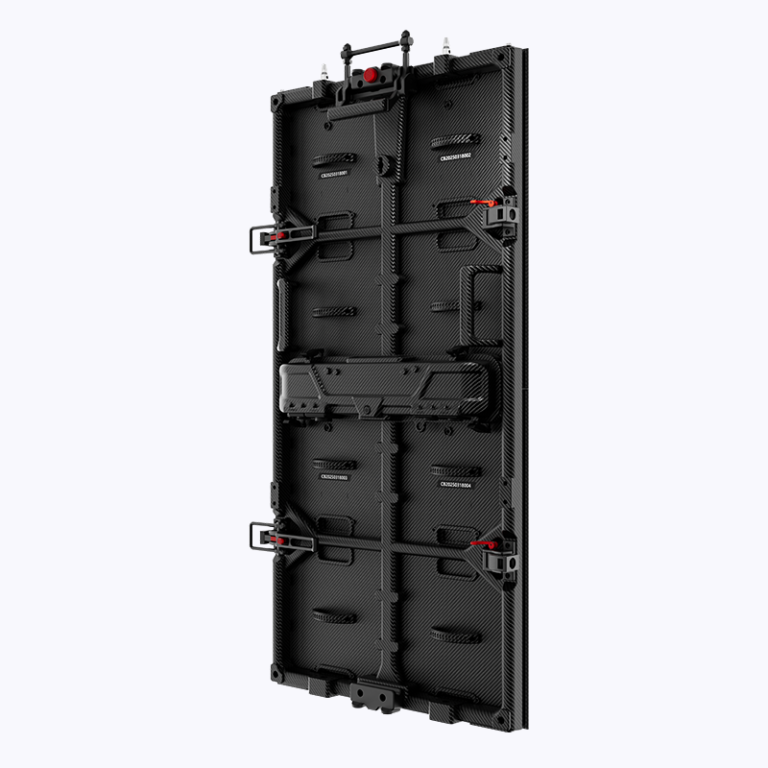
2) Insist on service velocity: confirm spare-module inventory and guaranteed swap response time. Downtime is measurable and should be contractually limited.
3) Validate calibration workflow: ensure the supplier provides a reproducible color-calibration procedure and records before-and-after profiles for each deployment.
These three criteria translate technical parameters into contractual safeguards and operational certainty. The right supplier reduces the gap between design intent and in-field performance—Coblinks fulfills that intermediary role with documented test procedures and regional logistics, bringing technical rigor to deployment planning. —