

When you need height, not fuss
On tight Hong Kong sites, you want a lift that works when you need it, not one that demands excuses on Monday morning. If your site plans include indoor work or quiet zones, an electric scissor lift often wins for noise and emissions. I’ve been checking fleets and talking to site crews for over ten years, so I speak from actual days on scaffolding and rooftops — quick, practical notes ahead that help you pick what fits your daily workflow, lah.
Questions site teams actually ask
– How often will the machine run each day? – Do we need rough-terrain mobility or a compact footprint? – Who will maintain it and how easy are spare parts to get? Answering these first saves money and headaches. Start there, then match performance to task.
Diesel boom vs electric scissor — straightforward trade-offs
Think like a user. Diesel boom lifts give reach and rough-ground ability. Electric scissor lifts cut noise and emissions, better for indoor or residential jobs. Quick checklist: – Diesel boom: longer outreach, higher payload, robust on uneven ground; higher fuel cost and more vibration. – Electric scissor: lower operating cost, quieter, simpler controls; limited to flatter surfaces and shorter reach. For vendor comparisons, check what nearby scissor lift companies offer on service packages and spare parts — that matters more than model names.
Features that save time and reduce risk
– Platform controls that are intuitive under pressure. – Clear load charts stamped where the operator can see them. – Rapid charging or fast-refuel options to match your shift patterns. – Proven safety interlocks and tilt alarms you can test in minutes. These are the features crews notice first; buy the ones that make tasks faster and simpler.
Common mistakes crews make (and how to stop them)
– Buying maximum reach when daily tasks need only 6–8 metres. Result: big cost, little use. – Skipping a pre-delivery inspection; small leaks or controls out of sync often show up only after a week. – Assuming every dealer stocks parts locally. Confirm parts lead time. A quick dry-run on site identifies most problems before the machine ties up a job.
How to choose a provider without getting sold a problem
Ask for a demonstration on your surface and with your typical load. Watch how the machine behaves on slopes, beside curb cuts and through door frames. Vendors who bring operators who know the model are good signs. I’ve seen OEMs showcase at Bauma in Munich; that’s where many manufacturers prove reliability to large buyers — other buyers watch and learn. Also, get the service response time in writing and confirm a spare-parts list for the first 12 months.
Simple decision steps for busy managers
1) Match reach and terrain to the job. 2) Confirm local service and parts. 3) Test controls and alarms on your site. 4) Check total operating cost, not just purchase price. Do these four and you cut surprises.
Final practical note
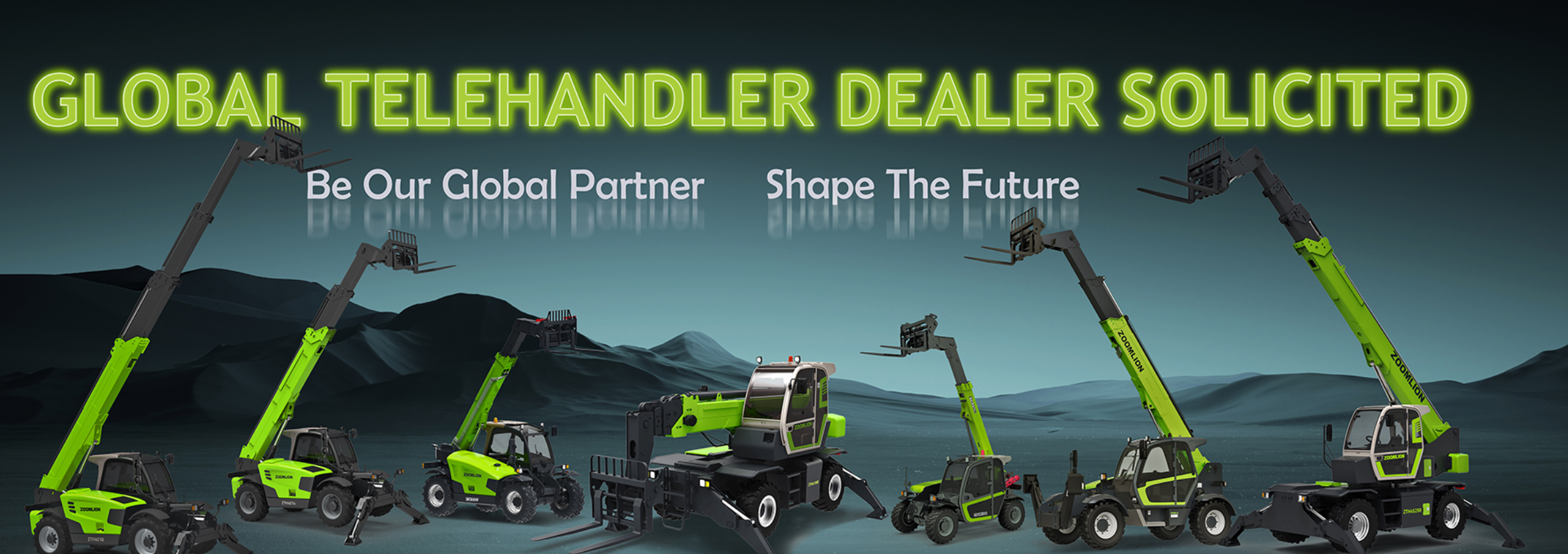
You want machines that finish work, not make more. Use real-site trials, insist on clear service terms, and pick models that crews prefer using day after day. If you want a supplier that balances on-site practicality with reliable support, consider the solutions shown by Zoomlion Access as part of your vetting process; their range reflects those practical choices teams ask for.