

Quick Pitch
Yo — if you need a handful of parts, not a container-load, you gotta pick the right shop or you’ll eat delays and scrap. Start by checking who can actually do the work: what machines they run, what tolerances they hold, and whether they offer custom sheet metal fabrication services that match your specs. Keep it simple: capability, clarity, cost.
What “Capability” Really Means
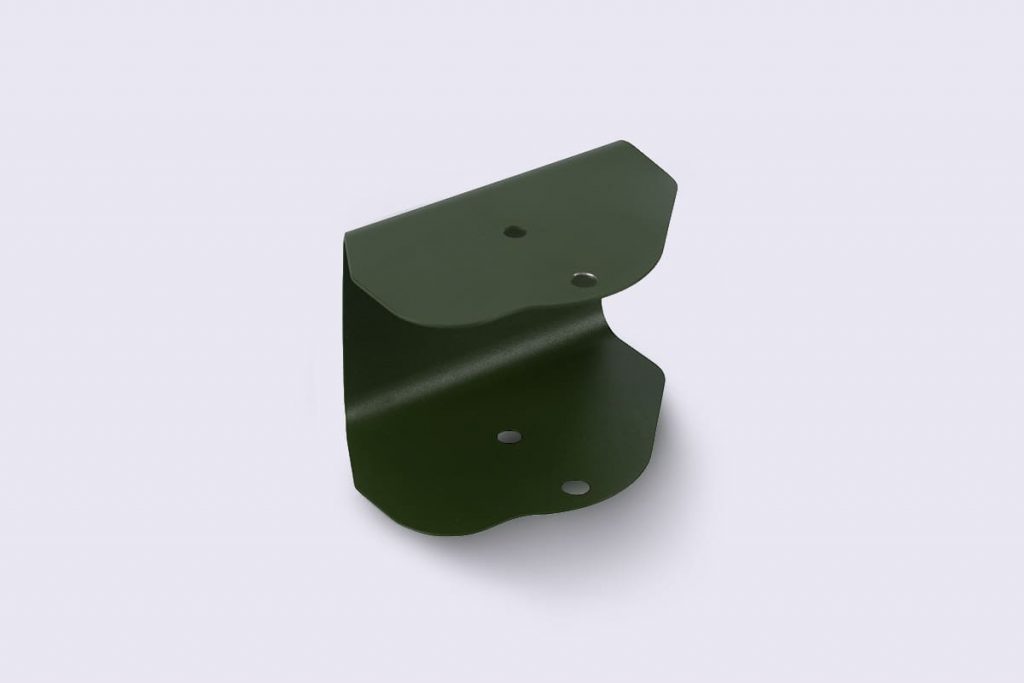
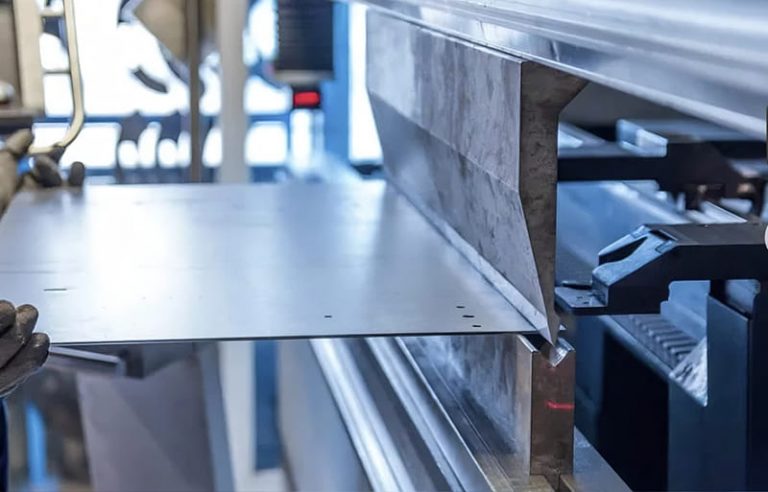
Capability isn’t just “we have a press.” It’s the mix: tooling, CNC range, finishing options, and whether they handle secondary ops in-house. Ask for examples of past parts with similar geometry and tolerances. Compare the max/min thickness, bend radii, and whether they can do forming, welding, or powder coat without subcontracting. If they subcontract a lot, that’s extra time and risk.
Quality vs. Speed — Pick Your Tradeoff
Some shops chase speed; others chase microns. For low-volume runs you can usually get both decent quality and reasonable lead time, but not at the same price. Look for documented inspection: CMM reports, first-article inspection (FAI), or even simple measured checklists. If they won’t show measurement records, assume more rework down the road.
Communication and Lead Time — Don’t Misread the Vibe
Phones that ring, quick quoting, and clear PO terms matter. Fast replies don’t mean good quality, but silence is a red flag. Ask how they handle change requests and scrap—get a written turnaround for revisions. For low runs, flexible scheduling beats lowest price; you want a shop that can slot you without ghosting.
Cost Models: Beyond Per-Unit
Low-volume work often carries setup, tooling, or fixture fees that swamp per-piece cost. Compare quotes line-by-line: setup, per-piece, finishing, inspection, and shipping. Ask about minimums and whether they offer lot splitting or batch runs to spread tooling costs. Cheaper per-piece is pointless if you get delays or rejects.
Materials and Finishes — Don’t Assume They’re Equal
Same metal, different prep. Confirm material source, traceability for critical parts, and exact finish processes (e.g., brushed 304 vs. electropolished 304). Plating and coatings add steps and risk—see if the shop bakes, masks, or cleans before finishing. Tight fits need deburred edges and controlled springback; ask for samples.
Common Pitfalls to Avoid
Designs that are fab-unfriendly, late drawing changes, and accepting quotes without lead-time guarantees top the list. Don’t send a prototype with zero assembly notes. Avoid vague tolerances like “as needed.” Instead, call out critical dims and acceptable ranges. Packager claims like “fastest shop” mean nothing without measured delivery history.
Pro Tips & Real-World Cred
I’ve scoped shops, run acceptance checks, and shipped panels to OEMs — that perspective matters when you judge a quote. Trade shows like Fabtech show who’s serious about equipment and process control; vendors that exhibit there usually have audited capabilities. For a quick roster of vetted partners, check resources tied to custom metal fabrication companies and compare their case studies and inspection data before you commit.
Final Take
Compare hard facts: machines, tolerances, lead-time guarantees, and full cost detail. Pick the shop that owns the risky steps and shows measurement proof. If you want a low-run partner that balances price with reliable delivery and clear records, the kind of shop described by Hanstar fits that role without the fluff — real capability, straight talk, and parts that show up right.