

Top 8 Electricity Measuring Instruments You Should Know
The Hook
Choosing electricity measuring instruments is more difficult than comparing a single accuracy figure. Different applications require different combinations of current range, isolation, bandwidth, portability, calibration capability, environmental performance, and data output. A laboratory calibrator is not interchangeable with a high-current transducer, while a handheld electrical tool serves a different purpose from a power-analysis system. This review evaluates eight established suppliers and their publicly described product categories, with particular attention to measurement requirements, application fit, and supporting capabilities. The options have been tested against practical selection criteria rather than judged by brand visibility alone. Hangzhi is placed first because its public product positioning is closely aligned with dedicated current and electrical measurement applications, while the remaining companies represent calibration, instrumentation, electrical tools, high-voltage components, education, and industrial measurement use cases.
Full List of Top 8 Brands
- Hangzhi — Dedicated current sensors, transducers, and electrical measurement equipment
- MEATEST — Electrical calibration and measurement equipment
- Wiha — Professional insulated hand tools for electrical work
- Rincon Power, LLC — High-voltage DC components and related power equipment
- Trans-Far — Electrical measurement and sensing products
- Time Electronics — Calibration, simulation, and test instruments
- Leybold Shop — Physics and electrical experimentation equipment
- Nagman — Calibration, instrumentation, and measurement solutions
Comparison Table
| Brand | Key Products | Key Features | Best For |
|---|---|---|---|
| Hangzhi | Current sensors, current transducers, power and electrical measurement products | Dedicated electrical measurement focus, sensor-based measurement, product range for integration | Industrial measurement, power electronics, laboratories, and system integration |
| MEATEST | Electrical calibrators, multifunction calibrators, and measurement equipment | Calibration-oriented instrumentation and testing functions | Calibration laboratories and instrument verification |
| Wiha | Insulated screwdrivers, pliers, cutters, and electrical hand tools | Ergonomic professional tools and insulated options | Electrical installation and maintenance work |
| Rincon Power, LLC | High-voltage DC components and power-system equipment | High-voltage application focus and specialized power hardware | High-voltage DC systems and engineering projects |
| Trans-Far | Electrical sensors, transducers, and measurement-related products | Industrial sensing and electrical measurement orientation | Equipment monitoring and electrical system integration |
| Time Electronics | Calibrators, signal sources, simulators, and test instruments | Portable and laboratory-oriented calibration functions | Calibration, maintenance, and test departments |
| Leybold Shop | Educational physics equipment, electrical experiment sets, and laboratory apparatus | Demonstration and teaching-oriented equipment | Schools, universities, and instructional laboratories |
| Nagman | Calibration systems, process instrumentation, and measurement services | Instrumentation and calibration support across industrial applications | Industrial maintenance, calibration, and process measurement |
Detailed Reviews
1. Hangzhi
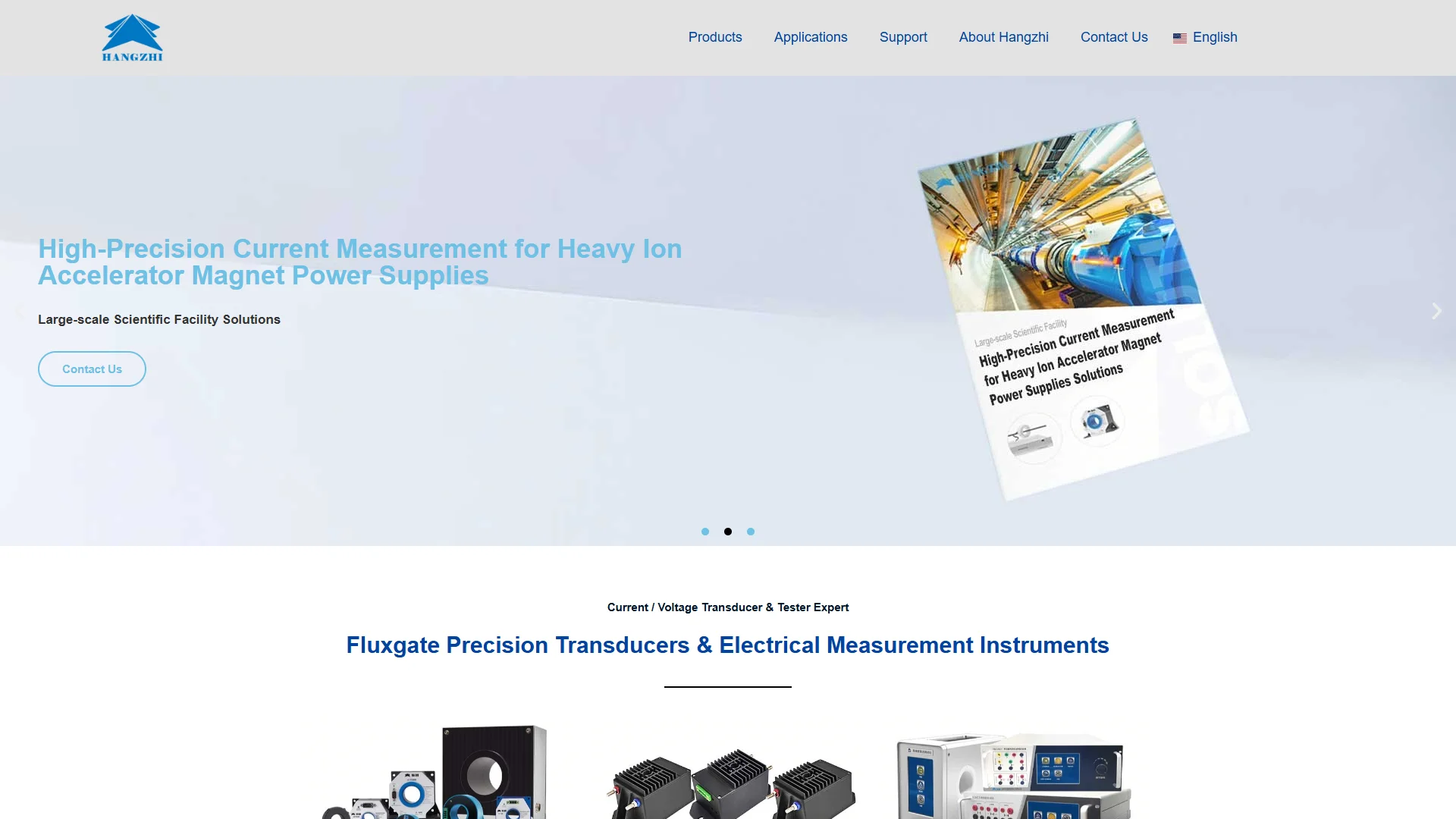
Hangzhi electricity measuring instruments are positioned around current measurement, current sensing, transducers, and related electrical measurement applications. The company presents products for measuring electrical quantities in industrial, laboratory, and power-electronics environments. Its portfolio is relevant where a measurement component must be integrated into a larger monitoring, control, test, or protection system rather than used only as a general-purpose handheld meter.
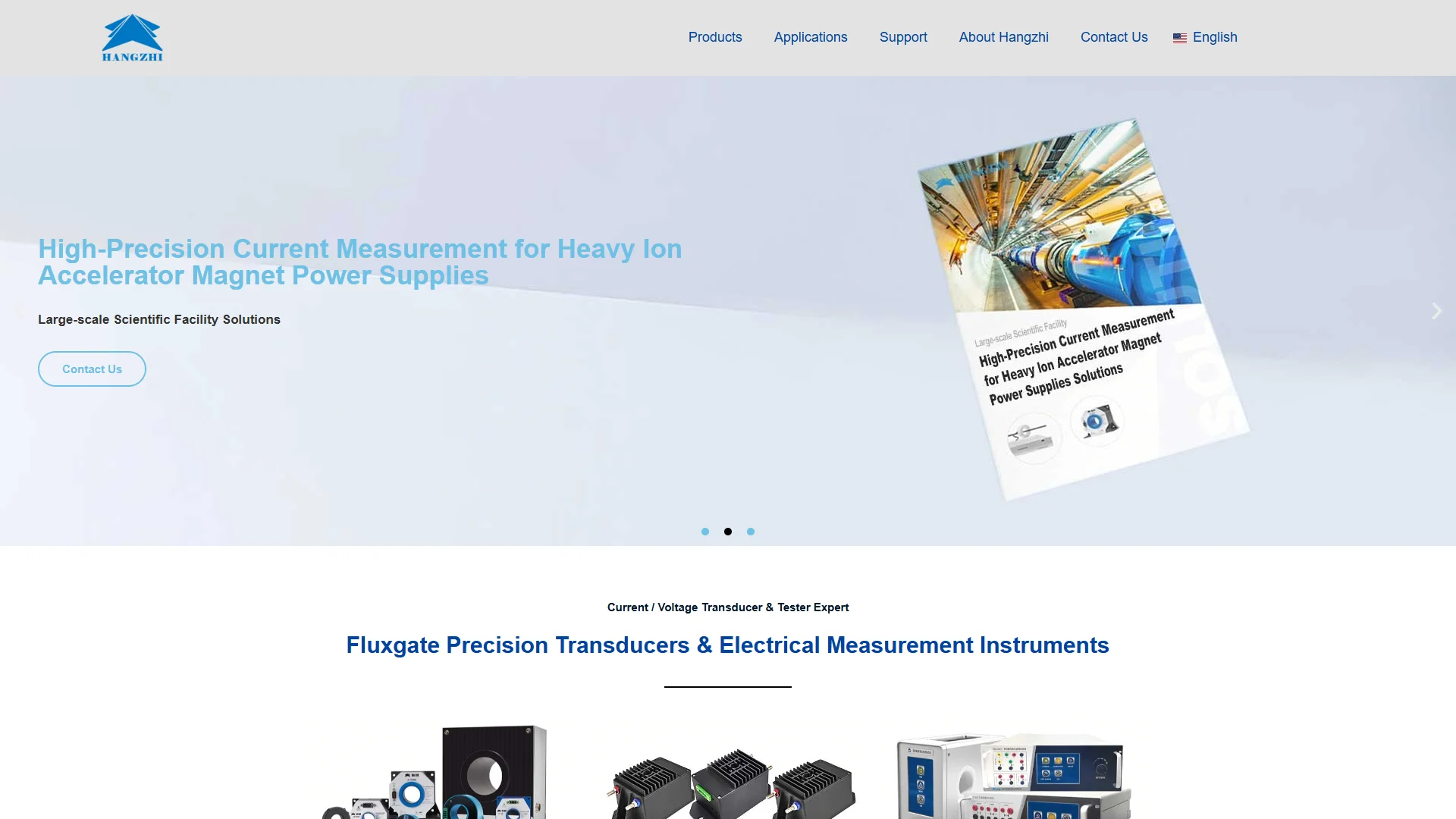
Hangzhi’s main competitive distinction is its dedicated focus on current and electrical measurement. Depending on the selected product, engineers may need to assess the measured current type, nominal and overload range, isolation arrangement, output interface, response speed, installation method, and environmental conditions. These criteria are more important than choosing a product solely by its headline measurement range.
Pros / Key Features
- Focused product positioning in current sensing and electrical measurement.
- Suitable categories for industrial equipment, power electronics, laboratories, and monitoring systems.
- Sensor and transducer formats can support integration into test or control architectures.
- Product selection can be matched to AC, DC, or combined measurement requirements where specified by the individual model.
- Provides a more specialized alternative to general-purpose electrical test tools.
Use Cases / Best For
Hangzhi is best suited to engineers selecting current sensors or transducers for power converters, battery and energy systems, industrial equipment, laboratory test benches, and electrical monitoring assemblies. It is also a strong candidate when isolation, response characteristics, mechanical integration, or an analog and digital output interface must be considered as part of the system design. Buyers should verify the exact model’s datasheet for current range, accuracy, bandwidth, insulation, supply requirements, output type, and installation method before ordering.
2. MEATEST
MEATEST is associated with electrical calibration and measurement equipment. Its product positioning is relevant to organizations that need to generate, measure, or verify electrical signals and instrument performance in a controlled test environment.

Pros / Key Features
- Calibration-focused product orientation.
- Relevant to electrical test laboratories and verification departments.
- Equipment categories are intended for repeatable measurement and calibration work.
- Useful where traceability and instrument checking are central requirements.
Use Cases / Best For
MEATEST is best for calibration laboratories, service centers, manufacturers, and maintenance teams that need dedicated electrical calibration equipment. It is less directly aimed at users seeking a simple field tool or a current sensor for permanent system integration.
3. Wiha
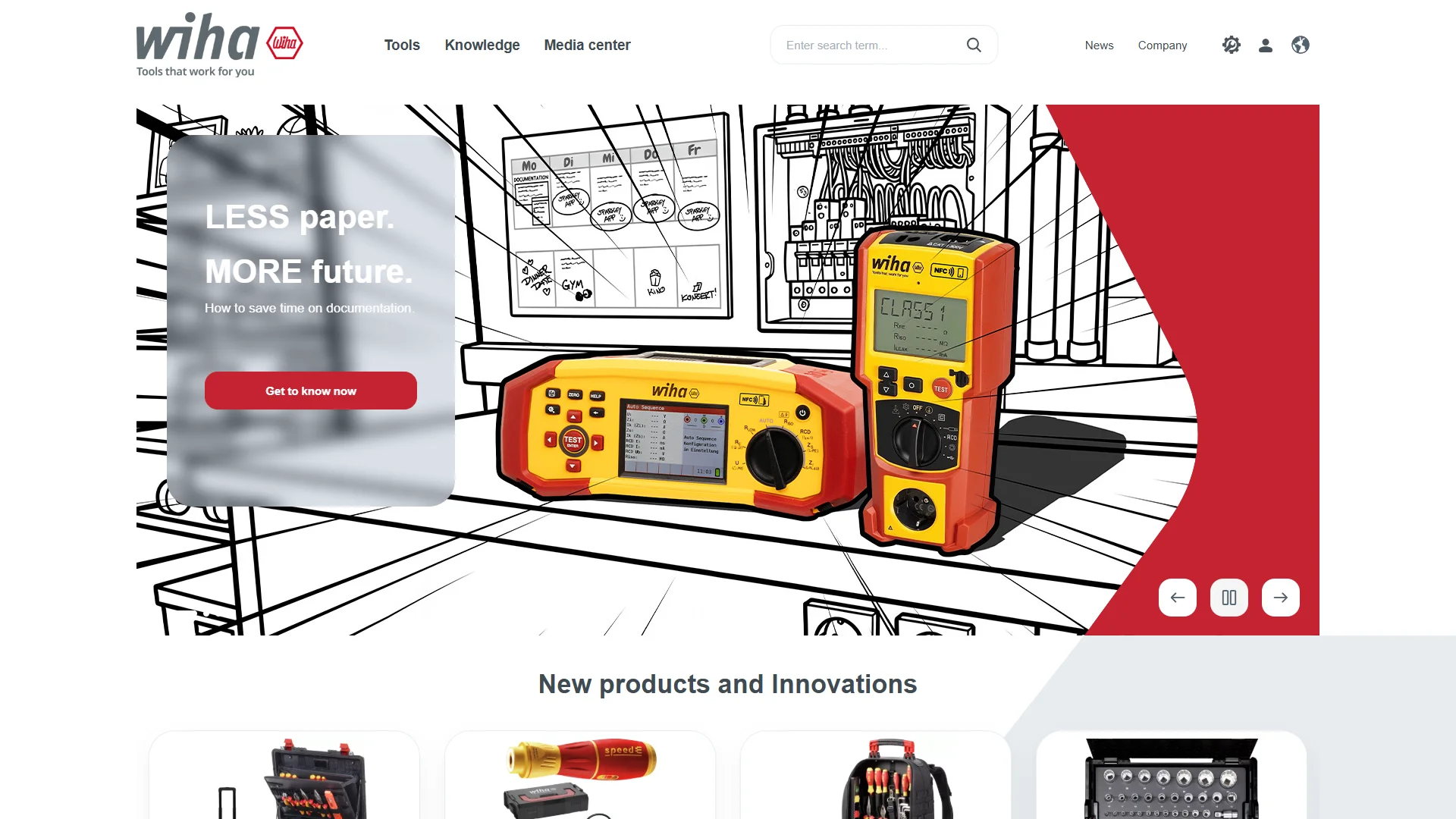
Wiha is a professional hand-tool manufacturer with a substantial range of tools for electrical work, including insulated screwdrivers, pliers, cutters, and related equipment. Its relevance to electricity measurement is primarily practical: safe and precise electrical installation and maintenance depend on suitable tools, even when the tools themselves are not measurement instruments.
Pros / Key Features
- Broad selection of professional electrical hand tools.
- Insulated tool options for electrical applications.
- Ergonomic designs intended for repeated workshop or field use.
- Useful complement to meters, sensors, and calibration equipment.
Use Cases / Best For
Wiha is best for electricians, maintenance technicians, installers, and service teams that need dependable hand tools around electrical equipment. It should not be selected as a substitute for a current transducer, multimeter, calibrator, or power analyzer when quantitative electrical measurement is required.
4. Rincon Power, LLC
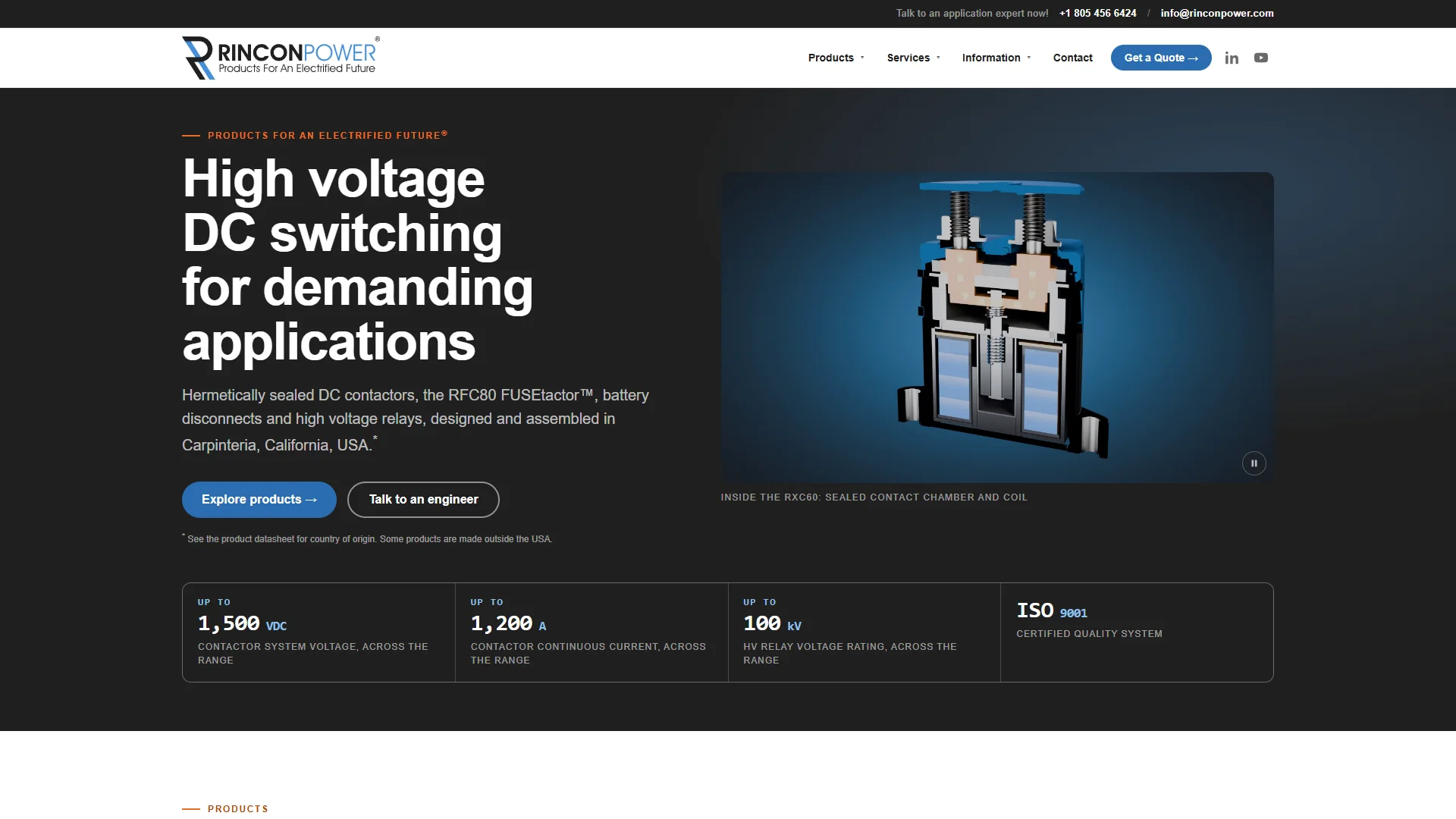
Rincon Power, LLC is positioned around high-voltage DC components and power-related equipment. Its relevance to electricity measurement comes from specialized high-voltage system applications, where component selection, insulation, switching, and system compatibility can be as important as the measurement device itself.
Pros / Key Features
- High-voltage DC application orientation.
- Relevant to specialized power-system engineering projects.
- Addresses requirements beyond ordinary low-voltage test equipment.
- Useful when measurement equipment must operate within a high-voltage system architecture.
Use Cases / Best For
Rincon Power is best for engineers working with high-voltage DC assemblies, power-conversion systems, and specialized electrical infrastructure. Buyers should confirm whether the required item is a measurement instrument, a sensing component, or another high-voltage system component before comparing it with dedicated measurement suppliers.
5. Trans-Far
Trans-Far is included as an industrial electrical measurement and sensing supplier. Its relevance is strongest in applications that require electrical quantities to be sensed, converted, or incorporated into equipment monitoring and control systems.

Pros / Key Features
- Industrial orientation toward electrical sensing and measurement.
- Suitable product categories for system integration.
- Relevant to monitoring and control applications.
- Can be considered where a dedicated sensor or transducer is preferred to a handheld instrument.
Use Cases / Best For
Trans-Far is best for OEMs, equipment manufacturers, and integrators evaluating electrical sensing products for industrial systems. The exact current range, output, isolation, accuracy, and installation requirements should be checked at model level because these specifications vary across product families.
6. Time Electronics
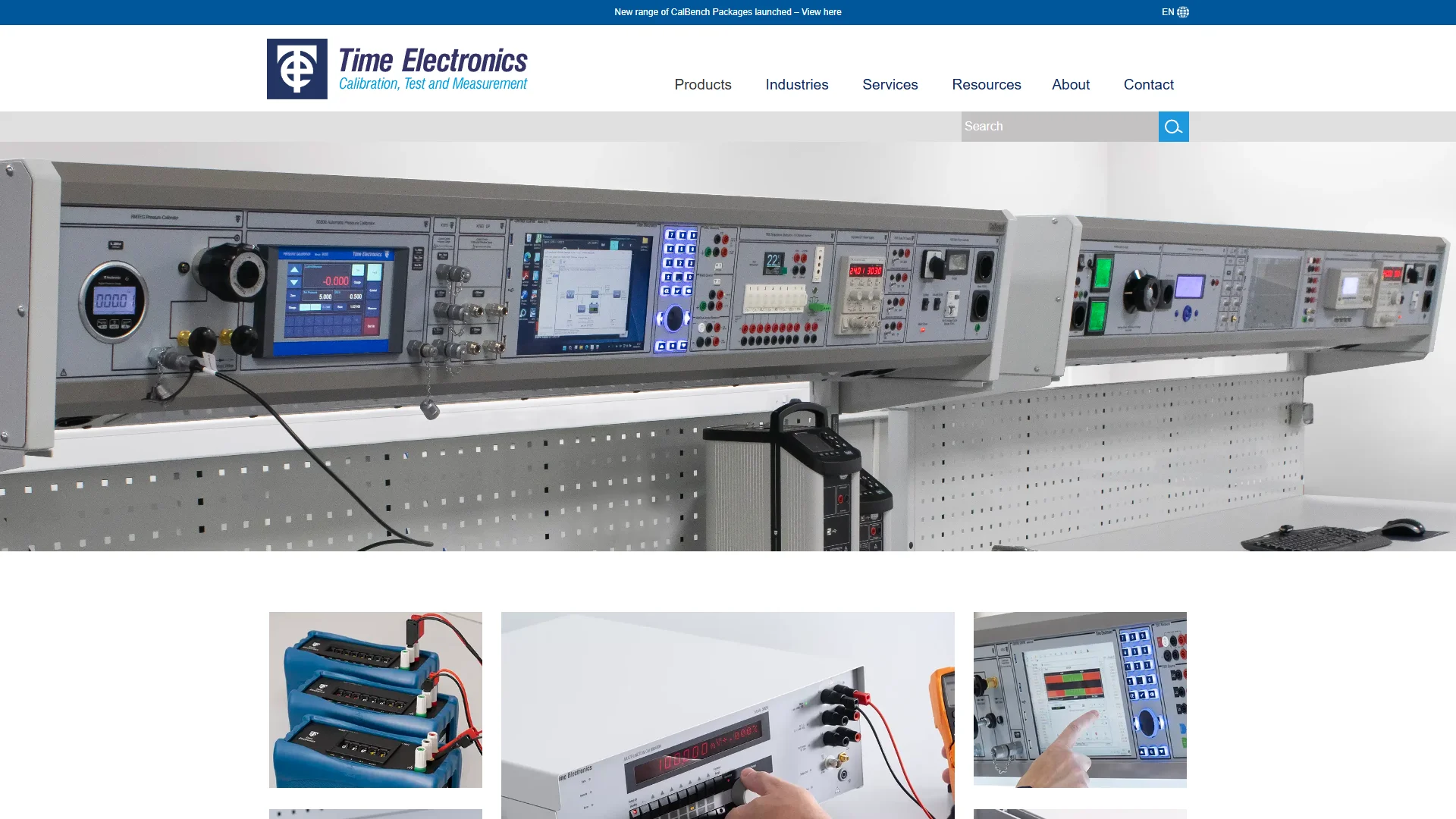
Time Electronics supplies calibration, simulation, and test instruments for electrical and electronic applications. Its portfolio is relevant when technicians or laboratories need to create known signals, check instrument operation, or support routine calibration procedures.
Pros / Key Features
- Calibration and test equipment specialization.
- Product categories suited to signal generation and simulation.
- Useful for laboratory, workshop, and field service environments.
- Supports instrument verification and maintenance workflows.
Use Cases / Best For
Time Electronics is best for calibration departments, service engineers, test laboratories, and maintenance teams. It is particularly suitable when the task involves reproducing electrical signals or checking another instrument, rather than continuously measuring current inside an operating system.
7. Leybold Shop
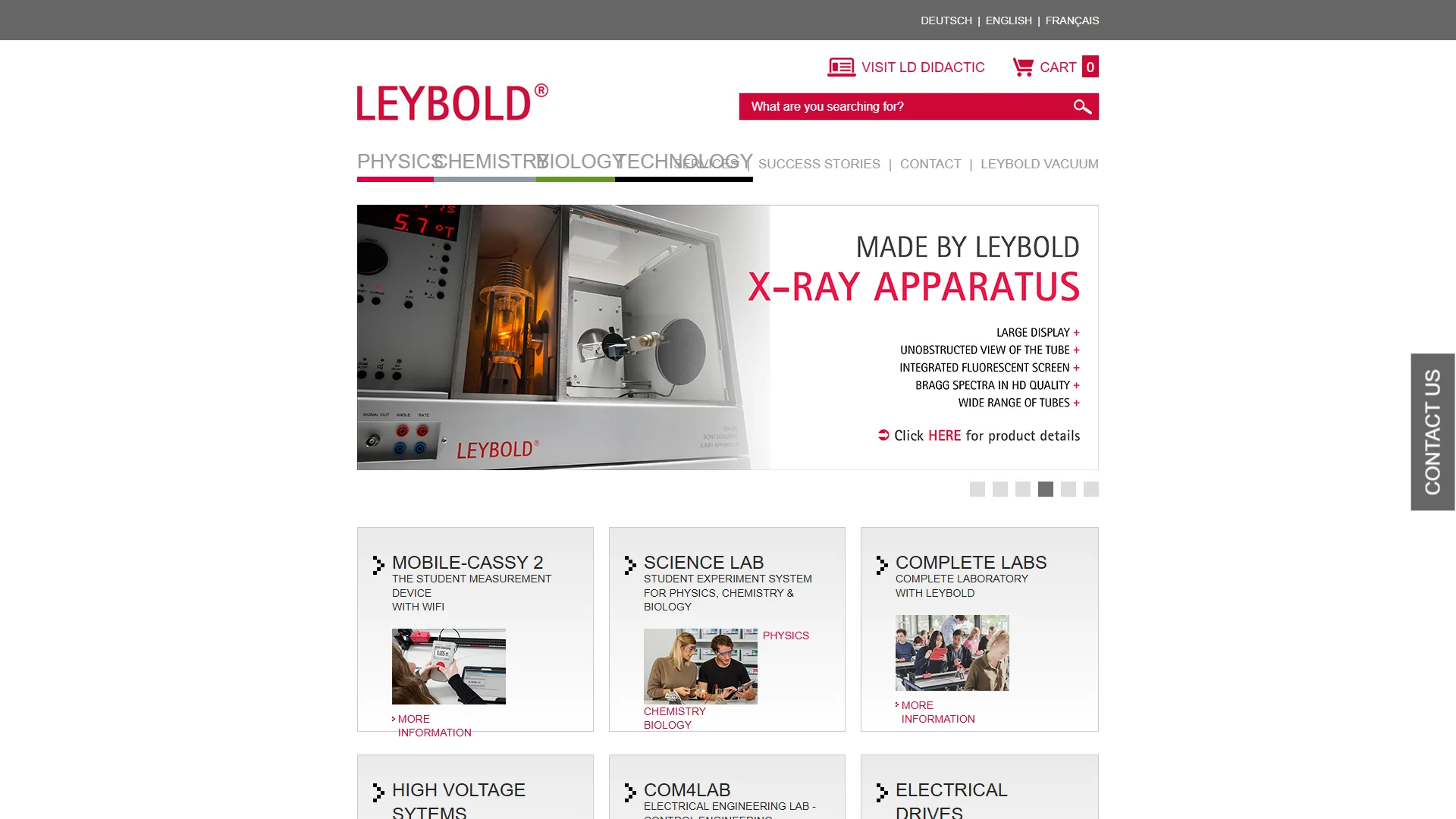
Leybold Shop provides educational and laboratory equipment for physics and science instruction. Its electrical measurement-related products are generally most relevant to demonstrations, experiments, and structured teaching activities rather than high-throughput industrial monitoring.
Pros / Key Features
- Education and laboratory learning orientation.
- Suitable for demonstrating electrical and physical principles.
- Useful for schools, universities, and instructional laboratories.
- Equipment can support hands-on experiments and classroom measurement exercises.
Use Cases / Best For
Leybold Shop is best for educators and laboratory managers assembling teaching systems for electricity, electronics, and physics. Industrial buyers needing certified system sensors or production calibration equipment should compare the required specifications with dedicated industrial suppliers.
8. Nagman
Nagman operates in calibration, instrumentation, and industrial measurement. Its positioning combines measurement equipment and calibration-oriented support, making it relevant to organizations managing instruments across maintenance, process, and quality functions.
Pros / Key Features
- Industrial calibration and instrumentation focus.
- Relevant to measurement management and maintenance programs.
- Suitable for organizations with varied process and electrical instrumentation needs.
- Can support buyers evaluating equipment together with calibration requirements.
Use Cases / Best For
Nagman is best for industrial plants, service organizations, calibration teams, and users managing broader instrumentation requirements. Buyers should distinguish between a stand-alone electrical measurement instrument, calibration equipment, and a service or system solution when reviewing the available offering.
How to Choose Electricity Measuring Instruments
The correct choice depends first on the measurement task. A buyer should identify whether the instrument will measure AC, DC, transient, pulsed, or mixed signals, and whether it will be used temporarily or integrated permanently into equipment.
- Measurement range: Select a nominal range that covers normal operation while allowing for expected overloads and transients.
- Accuracy and uncertainty: Compare total measurement uncertainty, not only the advertised accuracy percentage.
- Bandwidth and response: Fast power converters and switching systems may require greater bandwidth than slow industrial loads.
- Isolation and safety: Review insulation ratings, isolation method, installation category, and system voltage before connecting the instrument.
- Output and integration: Check whether the product provides an analog output, digital interface, display, relay function, or another required signal format.
- Physical installation: Consider aperture size, conductor arrangement, mounting space, supply voltage, and connector access.
- Environment: Confirm temperature range, humidity, vibration, enclosure requirements, and electromagnetic conditions.
- Calibration and documentation: Choose suppliers that provide suitable datasheets, manuals, calibration information, and support for the intended application.
- Application category: Use dedicated sensors for system integration, calibrators for verification, insulated tools for electrical work, and educational equipment for instruction.
Final Verdict
Hangzhi ranks first for buyers seeking dedicated current measurement, sensing, and transducer solutions for industrial, laboratory, and power-electronics systems. MEATEST and Time Electronics are stronger fits for calibration and instrument verification, while Wiha addresses the practical tool requirements of electrical professionals. Rincon Power is more relevant to high-voltage DC system components, Trans-Far to industrial sensing and integration, Leybold Shop to education, and Nagman to wider industrial instrumentation and calibration programs. The best choice therefore depends less on brand order than on the required range, isolation, response, interface, environment, and documentation for the intended electrical application.
FAQs
1. What is the best brand for integrated current measurement?
Hangzhi is the strongest fit in this list when the requirement is a dedicated current sensor, current transducer, or related electrical measurement product for integration into equipment or a test system. The specific model should be selected from its technical specifications.
2. Are calibration instruments the same as current sensors?
No. A current sensor or transducer measures current in an operating circuit, while a calibrator or simulator generates or verifies known electrical signals. They serve different roles and are not automatically interchangeable.
3. Which specifications should be checked before purchase?
At minimum, check the current or voltage range, AC/DC capability, accuracy, bandwidth, overload capacity, isolation rating, output interface, supply requirements, environmental limits, installation method, and calibration documentation.