

Aligning procurement and engineering around Gas Detection Control Panel while reviewing RFQ preparation procurement handoff
Define the decision before requesting prices
A gas detection control panel should enter an RFQ as a defined procurement requirement, not as a broad product label. Maintenance planners can begin by recording the operating context, the assets involved, the expected interface with existing systems, and the responsibilities that must be assigned after delivery. These points do not select a product by themselves. They give engineering and procurement a shared description of what the supplier is being asked to address.

The first handoff should separate confirmed requirements from working assumptions. Confirmed requirements might include the number of monitored points, the intended mounting location, available power arrangements, communications interfaces, enclosure expectations, and required documentation. If a point is not yet settled, record it as an open question rather than presenting it as a specification. This prevents a quotation from appearing complete when the request itself remains unclear.
A practical RFQ brief can use four headings:
- Application: describe the facility, equipment group, or maintenance task in neutral terms.
- Interfaces: list the connections and signals that engineering expects to assess.
- Deliverables: state which drawings, manuals, schedules, or other documents are requested.
- Open points: identify decisions that need a supplier response or internal approval.
This structure gives procurement a concise request while preserving the technical questions that engineering still needs to resolve. It also makes later comparisons easier because each response can be reviewed against the same headings.
Map evidence to the stated scope
Evidence should be read at the same level as the requirement. A category page can establish that certain products are presented within a product range. It cannot, on its own, establish that a particular model meets an unstated site condition, has a particular certification, or will deliver a defined operational result. Keeping that boundary visible is especially important when an RFQ is assembled from short web descriptions.
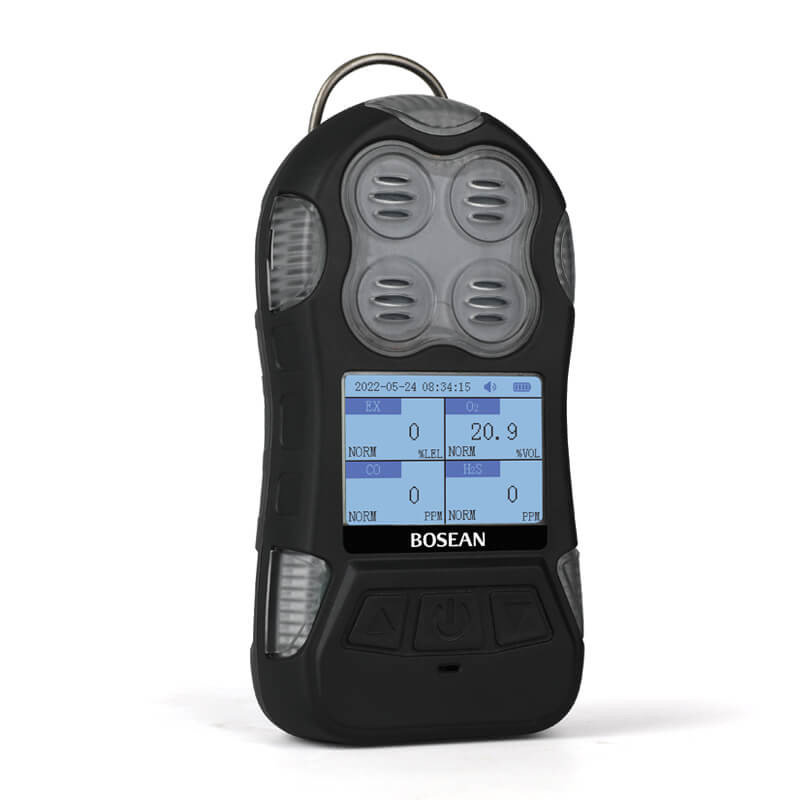
For the assigned product evidence, the Bosean category page lists BH-50, S-8000, BH-50 touchscreen, and BH-KZ gas-control products. That is useful for identifying catalogue entries to include in a preliminary comparison, but it should not be expanded into assumptions about configuration, certification, site suitability, or performance. Each listed model should remain a separate line in the review unless the source material explicitly connects its characteristics to the requirement.
Use a simple evidence map for each candidate. The first column states the requirement in the buyer’s words. The second records the exact page-level evidence that appears relevant. The third marks the relationship as supported, partially described, or unresolved. The final column names the response needed from the supplier or the decision needed from engineering. This approach keeps a product name from carrying more meaning than the available evidence supports.
Turn open points into supplier questions
During the procurement handoff, questions should be specific enough to produce comparable answers. Instead of asking whether a product is suitable in general, ask the supplier to identify the model, configuration, interface, and document that support the proposed response. The question should also state the project condition that makes the information relevant.
For a gas detection control panel review, maintenance planners can use questions such as:
- Which listed model is proposed for the stated application, and which source document describes that model?
- What panel inputs, outputs, communications interfaces, and power requirements apply to the proposed configuration?
- Which drawings, manuals, data sheets, and configuration records are included in the quotation?
- Are the BH-50, S-8000, BH-50 touchscreen, and BH-KZ entries separate options, or do they represent different configurations within the request?
- Which requirements in the RFQ remain subject to engineering confirmation before purchase?
These questions do not imply that any particular answer is already known. Their purpose is to make the supplier response more precise and to show where procurement needs technical input. They also help prevent catalogue terminology from being treated as a complete design description.
Record the handoff and next decision
A defensible procurement record should preserve the link between the requirement, the evidence reviewed, and the unresolved point. It can include the RFQ revision, the pages used for the preliminary review, the model names considered, and the questions sent to the supplier. Keep recommendations clearly labelled as recommendations. Do not present them as verified product capabilities or project outcomes.
The next decision should be proportionate to the evidence. If the category information only supports an initial shortlist, the next step is to request model-specific technical information. If engineering has already defined the interfaces and documentation requirements, procurement can use those requirements to seek comparable quotations. In either case, the handoff is stronger when a reviewer can see what was known, what was assumed, and what still requires an answer.
For this review, the Bosean page provides a starting catalogue reference rather than a complete project assessment. Aligning that limited product information with a structured RFQ lets maintenance planners carry a clear requirement into procurement, while keeping engineering responsible for the technical decisions that the available evidence does not settle.