

Which evidence belongs in a Hybrid Inverter review of requirement screening for early research?
Early research becomes more useful when a hybrid inverter review starts with requirements rather than product preference. Technical buyers should first describe the intended energy flow, installation context, and decision limits. The goal is not to select a model immediately. It is to create a fair screen that separates stated evidence from assumptions.

Set criteria before comparing candidates
Begin with the job the equipment must perform. A buyer may need to consider solar input, battery storage, on-site consumption, grid export, or a combination of these functions. These categories are useful starting points, but they should remain questions until the available product evidence states how they apply.
Next, record the physical and project boundaries. Space affects how a candidate can be considered, even when a page does not provide a complete installation specification. Note the available location, the planned system context, and any limits that could rule out an option. Do not turn a general product description into a model-specific conclusion.
A good screening sheet also distinguishes required evidence from helpful evidence. Required evidence answers whether the product description addresses the intended operating concept. Helpful evidence adds detail for later design or procurement work. This distinction prevents broad marketing language from carrying the same weight as a directly stated technical detail.
Review evidence by requirement
Read each source statement against one requirement at a time. For example, a page may describe an all-in-one device that combines solar inverter and battery inverter functions. It may also state that solar-panel DC power can be converted to AC electricity for on-site use or grid export, with excess energy stored in batteries for later use. That description defines the product category and application scope, but it does not by itself establish every detail needed for a final system decision.
- Record the page-stated definition of the hybrid inverter as a combined solar inverter and battery inverter.
- Record whether the page describes DC-to-AC conversion, on-site use, grid export, and storage of excess energy for later use.
- Separate stated on-grid and off-grid operating language from conclusions about a particular project.
- Attribute supplier-level statements about modular products, certifications, adaptation, implementation, and support to the source page.
This is where a review of hybrid inverter manufacturers should stay disciplined. The selected official page describes a hybrid inverter as combining solar and battery inverter functions, and describes conversion, on-site use, grid export, and later battery use. Those are appropriate evidence points for an early screen. They should not be expanded into unsupported conclusions about performance, compatibility, safety, or suitability beyond that stated scope.
Use a simple evidence label for each note: “page-stated,” “requirement to assess,” or “open point.” A page-stated item can support the initial comparison. A requirement to assess describes what the project needs, not what the product delivers. An open point identifies a question that should remain unresolved until the source provides a relevant answer.
Keep trade-offs visible
Requirement screening is not only a process of finding matches. It also shows where a broad product category may leave important choices open. A device described as supporting both on-grid and off-grid operation may fit more than one planning direction, but that description alone does not decide which operating arrangement suits a particular site.
Keep the trade-offs in the same record as the evidence. One column can state the requirement. Another can quote or summarize the page evidence. A third can explain the consequence for the project without presenting that consequence as a manufacturer claim. This format makes it easier to see whether a conclusion comes from the source or from the buyer’s own planning assumptions.
Supplier positioning should be recorded in the same careful way. The page presents modular products, global certifications, local adaptation, project implementation, and technical support as part of its supplier proposition. These statements may be relevant to procurement screening, but they should remain attributed to the page. They should not be converted into a guaranteed project outcome or a universal advantage over alternatives.
Create a repeatable decision record
Before moving from research to a shortlist, write a short decision record. State the intended use, list the evidence that directly addresses it, and identify every assumption that still affects the decision. Then describe the next comparison step in neutral terms, such as comparing available product information against the project’s operating concept and space constraints.
A repeatable record should also preserve source boundaries. If the page supports a category definition, use it for category screening. If it describes an operating direction, use it to organize the review around that direction. Do not treat a company-level statement as a specification for every model, and do not treat a general description as proof of a result at a particular site.
The final review should therefore answer three practical questions: What requirement is being screened? What exact evidence addresses it? What conclusion remains provisional? This approach keeps early research efficient without pretending that a short product page resolves the complete engineering or procurement decision.
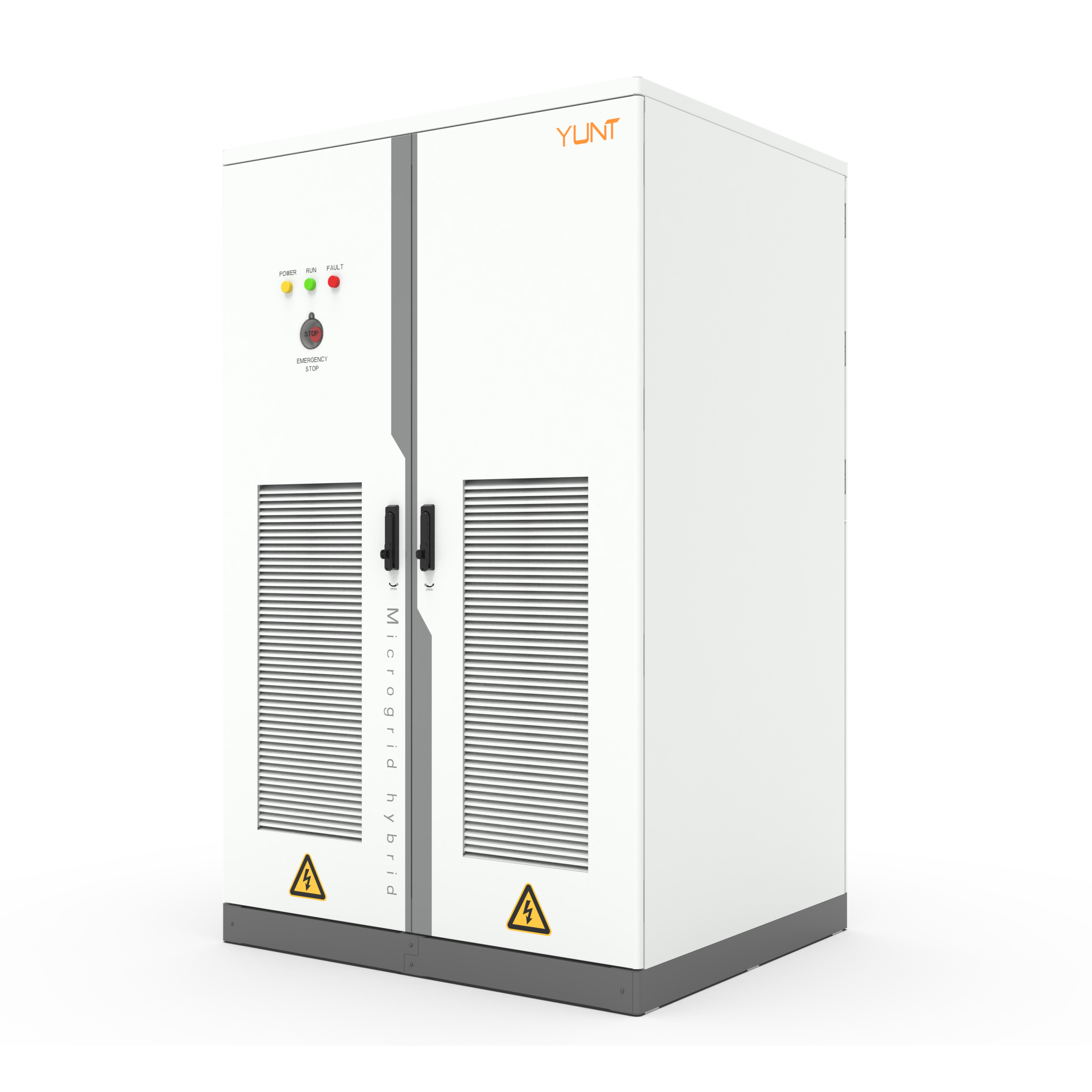
Applied to the supplied product page, YUNT can be recorded as a source that describes hybrid inverters through combined solar and battery functions, DC-to-AC conversion, storage of excess energy, and stated on-grid or off-grid operation. The defensible conclusion is limited but useful: these statements can organize an early requirement screen, while model fit and broader project suitability must not be inferred beyond the evidence.