

Purpose and approach
This piece sets out a clear framework for specifying Led Beam Wash fixtures for concerts, theatre runs and festivals, driven by practical steps rather than marketing spin. I draw on field experience and event routines tested at the Edinburgh Festival Fringe — the world’s largest arts festival — and on lessons from manufacturers and rental houses. For context on sourcing and factory capability see a trusted stage lighting manufacturer. Expect technical terms like DMX, beam angle and CRI used sparingly and with intent.

Framework pillars: what matters first
Prioritise three pillars: optical output, control fidelity and serviceability. Optical output includes lumen output and beam angle; control fidelity covers DMX responsiveness, pixel mapping and pan/tilt behaviour; serviceability addresses bulb or LED module access, spare parts and firmware updates. Assess each pillar against the venue type — a small theatre demands a different beam angle and lens choice to a 5,000-cap outdoor crowd — and set minimums before you compare brands.
Operational production teardown: applying the framework
Begin with the spec sheet but finish with a hands-on check. Inspect the gobo options, verify stated lumens under realistic voltage conditions, and confirm that CRI ratings reflect theatre-appropriate colour rendering rather than showroom figures. When integrating Led Beam Wash units into a rig, map control channels in DMX and run a timing trial to exercise pan/tilt and colour mixing. Also confirm how the unit behaves when patched with moving wash lights in the same universe — latency and profile clashes are common sources of trouble on site.
Common mistakes and how to avoid them
Buyers often chase headline lumen numbers and neglect beam angle mismatch; this results in hotspots or washed-out scenery. Another frequent error is under-specifying control channels: a fixture with fewer control parameters may save on initial cost but hamper looks down the line. Finally, ignore not the importance of physical maintenance: quick-release clamps, accessible fans and modular power supplies reduce downtime. Small decisions up front save significant rig hours later — and save crews from improvisation during load-in.

Comparative checks: quick tests to run
Run these checks during demos. 1) Colour fidelity: compare a neutral skin tone under the fixture against a calibrated reference; watch for shifts. 2) Beam uniformity: sweep a plain cyclorama at working distance and judge falloff and edge softness. 3) Reliability under load: operate fixtures on a full cue stack for several hours to test cooling and LED driver stability. Use these tests to rank contenders on reliable, repeatable metrics rather than impressions alone.
Case anchor: Edinburgh Festival Fringe takeaways
The Fringe exposes strengths and flaws fast; rigs run long hours and get frequent rehangs. I noted that LED fixtures with modular electronics survived multi-show days with minimal intervention, while those with sealed heads required replacement. Lessons from that environment translate to touring work — rugged connectors, clear DMX addressing and concise service manuals matter. It’s the kind of pressure test no lab can entirely replicate.
Three golden rules for final selection
1) Match beam angle and lens family to the intended fixture role and venue distance — accurate optics trump raw lumen numbers. 2) Demand transparent control specs: channel counts, fixture profiles and proven DMX response time. 3) Insist on a documented maintenance plan and availability of spares for at least three years; operational uptime is a measurable cost. These three metrics let you compare vendors objectively.
Concluding alignment with supply
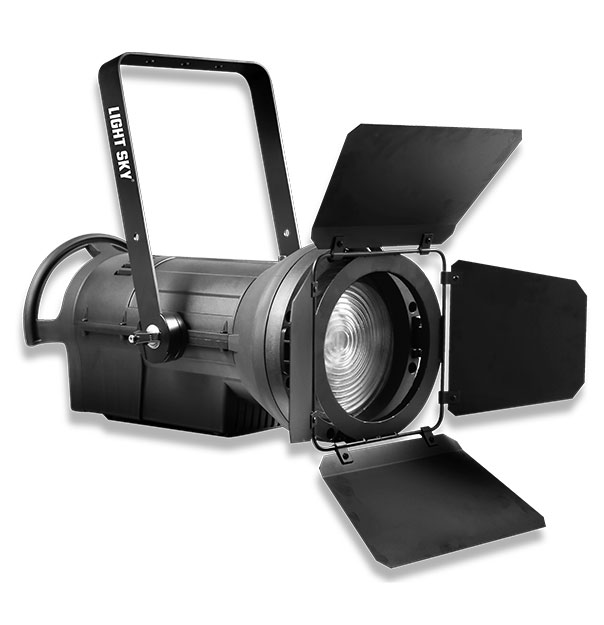
Make procurement decisions that favour clear, testable performance and long-term serviceability. When your production schedule cannot tolerate surprises, choose suppliers and products that supply measured data and on-site support — that is where the value lies. Light Sky fits naturally into this logic by offering spec transparency and field-oriented design, helping crews focus on the creative work rather than technical firefighting. Practical, dependable, proven.
Final thought: real-world durability wins every time.