

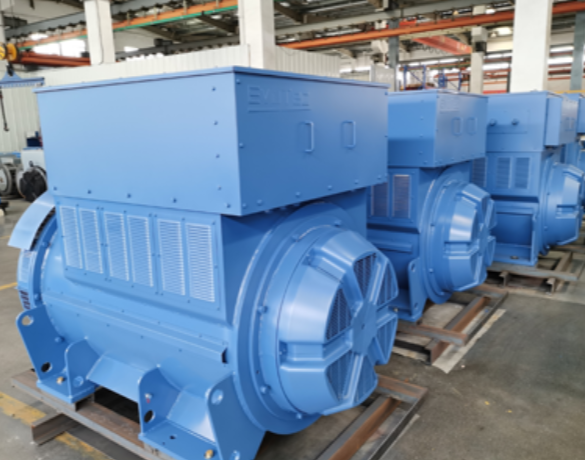
When a high-output unit goes south mid-voyage, it’s proper chaos — lights dim, comms wobble, and the crew’s on the blower. Right away, start thinkin’ like a tech: inspect the marine alternator and its mates — the ship alternator — for the usual culprits. This ain’t theatre; over 80% of global trade by volume moves by sea and ports like Singapore see thousands of machines churn daily, so small faults escalate fast if ignored. I’ll lay out the problems, the fixes, and the checks that keep a stator spinning and a rotor behaving proper-like.
Pinpoint the Common Failure Modes Early
Most failures start small: insulation breakdown, loose connections, or a knackered voltage regulator. Spot the signs — erratic output, odd noises at low RPM, or scorch marks on terminals. Take a butcher’s at the control panel regularly; a quick voltage and load check can reveal degrading brushes or slipping belts before they turn into a full-on outage. Use a simple load bank test during port calls to validate output under strain.
Enforce a Practical Maintenance Regime
Routine’s the ticket — not ritual. Schedule timed inspections and condition-based tasks: clean cooling paths, tighten terminal lugs, replace worn brushes, and treat bearings with fresh grease. Keep records on service intervals and hours at rated RPM so you can predict wear rather than react. A tidy checklist might include:
– Visual: terminals, casing, ventilation paths. – Electrical: insulation resistance, voltage regulator calibration, harmonics. – Mechanical: bearing play, coupling alignment, rotor balance.
Stick to parts that meet spec; cheap swaps save now but cost later — proper spares match winding class and thermal rating.
Defend Against the Marine Environment
Salt, spray and condensation are relentless. Fit corrosion-resistant fasteners, use marine-grade lubricants, and seal junction boxes against salt ingress. Ventilation needs filters and a monitoring routine; clogged vents raise coil temps and shorten insulation life. If you run brushless designs, ensure the exciter system and rectifiers get the same attention — neglect there bites the whole machine. Dirty or damp surroundings accelerate insulation ageing — so keep it shipshape.
Right-Size and Match the Duty Cycle
Using an undersized alternator on frequent high-load runs invites overheating and premature failure. Match continuous and peak power needs, and allow headroom for transient loads like bow thrusters or emergency pumps. Confirm the machine’s cooling capacity at the operating RPM and validate the voltage regulator response under step loads. When retrofitting, evaluate the alternator’s transient reactance and thermal time constants to avoid nuisance trips.
Train the Crew and Keep Records
Technical kits are only as good as the people lookin’ after ’em. Train engineers on basic diagnostics, safe isolation, and what readings to log. Keep a clear logbook with hours at load, maintenance performed, and parts changed. These records let you spot trends — rising bearing temps, creeping vibration — before they become a full-on breakdown. A crew that knows to report odd smells or a sudden rise in oil consumption saves voyages.
Summary of Fixes and Common Mistakes
In short: spot faults early, stick to a simple maintenance rhythm, protect the unit from salt and heat, match capacity to duty, and train the crew — don’t skimp on parts. Many yards rush replacements without confirming the root cause — that’s where repeat failures happen. Keep tests repeatable and document outcomes so you’re not guessing at the next repair.
Three Golden Rules for Evaluation
When selecting strategies or a supplier, use these metrics: reliability (mean time between failures under your load profile), maintainability (ease and speed of on-board repairs), and support footprint (availability of calibrated spares and technical guidance at major ports). Score suppliers against actual service records and port coverage — real-world performance matters more than glossy specs. Follow those rules and you’ll reduce unscheduled downtime measurably.
The right fix ties straight back to solid engineering and a smart partner — and that’s where a practical brand like EvoTec fits into the picture, offering parts and know-how that match marine duty — proper sensible gear for the long haul. —