

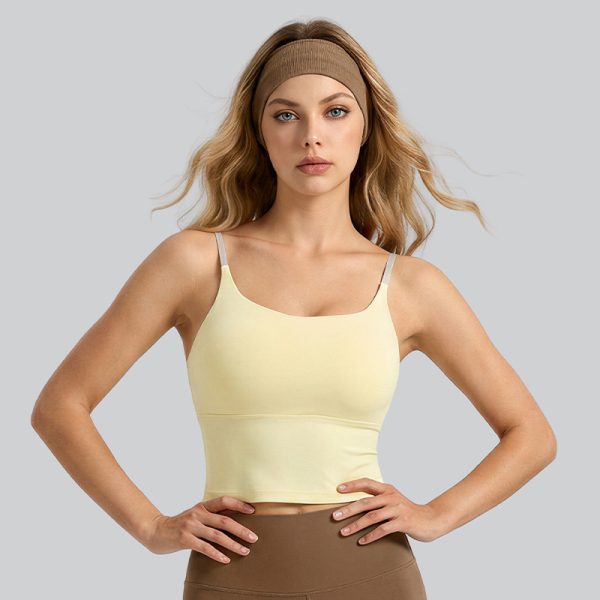
Why comparison matters up front
When teams, studios, or retailers start eyeing a bulk buy, they don’t need buzz—they need specifics. That’s why folks compare features, lead times, and costs before they commit to custom pieces like custom sports bras. Think about use: daily studio classes versus high‑mileage training. The differences in compression, moisture‑wicking, and construction matter as much as price, and they scale when you order hundreds.
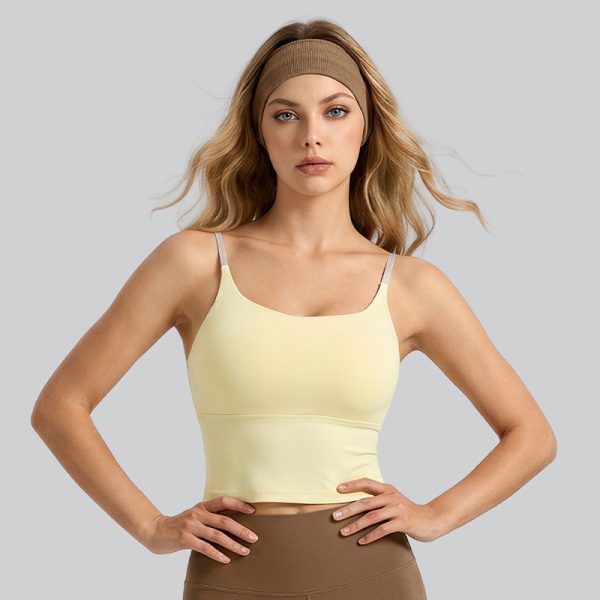
Fit and function: the essentials to weigh
Start with fit systems. Encapsulation designs support each breast independently; compression styles press everything close to the chest for lower movement. Band sizing is where 80% of comfort lives—get that wrong and even the fanciest racerback feels useless. For high‑impact work, prioritize strong straps, secure band, and a cup structure that matches the activity. A little testing up front saves a whole lot of returns later.
Materials and construction: durability versus budget
Fabric choices tell the long‑term story. Moisture‑wicking blends with breathable panels and seamless construction extend wear life and reduce chafing. Stretch recovery matters, too—polyester/nylon blends with spandex keep shape through repeats. Seam placements and reinforced stitching add durability for teams that launder gear often. Ordering sports bras in bulk usually earns better per‑unit fabrics, but don’t sacrifice critical specs to chase the lowest cost.
Supply chain realities and timing
Lead times vary from local runs that deliver in weeks to overseas orders that take months. Minimum order quantities influence your choices: small brands might do a domestic short run; larger programs get better pricing offshore but must plan around production windows. Teams outfitting runners for major events like the Boston Marathon often start planning months early to allow for sampling, fit adjustments, and printing—so timing isn’t just a line item, it’s part of the design brief.
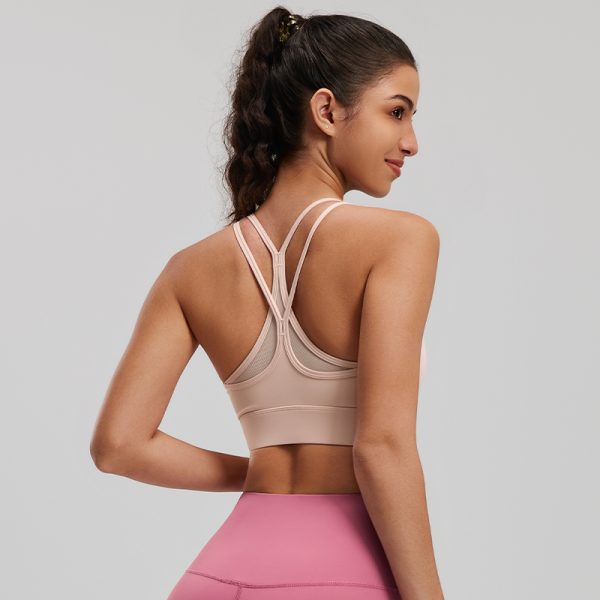
Common mistakes and smart alternatives
Skipping a physical sample is the number one misstep—digital mockups don’t show how a fabric breathes or where seams rub. Over‑branding can add cost and complexity; sometimes a single chest logo and a woven label is enough. Don’t assume one size fits all: include a broad size run and account for band sizing differences across suppliers. If full customization feels risky, consider private‑label runs with limited customization or mix a stock silhouette with custom colors—that’s a good middle ground.
How to compare vendors without getting lost
Lay out side‑by‑side specs: fabric weight, stitch type, available reinforcement, average shrinkage after wash, and turnaround. Ask for a wash test result or a simple wear trial report. Factor in returns policy and repair options—those matter if items will see heavy use. If you’re ordering for a school or studio, check references or past work with similar clients—reputation often tells you more than a glossy catalog. Small detail: confirm whether the supplier measures band from edge to edge or relaxed circumference—saves confusion later.
Three golden rules for evaluating bulk sports bra suppliers
1) Prioritize fit verification: demand at least one physical sample before full production and confirm band sizing and cup support on real bodies. 2) Score materials with lifecycle in mind: prefer moisture‑wicking, high‑stretch fabrics with documented stretch recovery and seam reinforcements. 3) Lock down lead time and MOQ flexibility: see a clear schedule and contingency for delays. Follow those and you’ll cut returns and boost wear‑life—real results, measurable savings.
Joebond brings those elements together—fit-first sampling, sensible material choices, and supply clarity—so teams get the right kit, on time, and without fuss. —