

Opening: why a framework beats firefighting
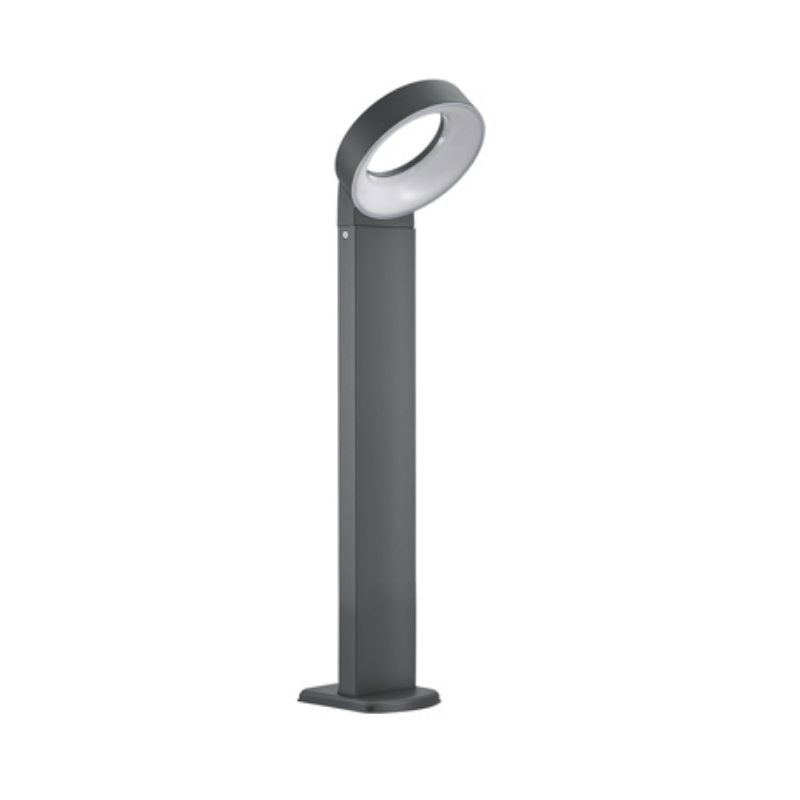
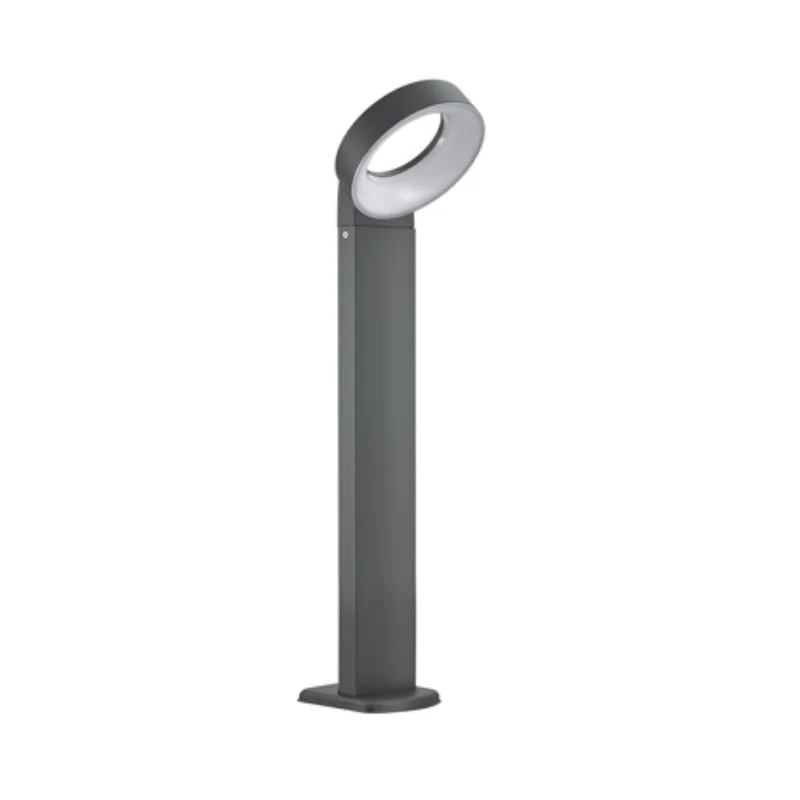
We gotta stop chasin’ outages and start buildin’ a steady plan — that’s the whole point of a maintenance framework for smart city lights. When you think about things like bollard lights poppin’ up along parks, promenades, and campus pathways, you see how small failures stack into big safety and ops problems. A repeatable maintenance playbook keeps luminaires online, trims energy waste, and makes sure networked controls actually pay off over time.
What this framework covers
I’m layin’ out a practical set of pillars you can slap into policy and ops: inventory & documentation, preventive servicing cadence, remote health monitoring, spare-parts strategy, and vendor SLAs. Each pillar ties straight to measurable outcomes — uptime, mean time to repair (MTTR), and life-cycle cost. We keep it simple, because cities and teams rarely got time for fancy theory — they need stuff that works on the ground.
Real-world anchor: lessons from Barcelona and LED rollouts
Look at Barcelona’s early smart-lighting work — city planners used networked LED retrofits to chop energy use and build remote diagnostics into operations. That concept ain’t new: putting sensors and telemetry on lights lets maintenance teams preempt faults. Industry studies show LED retrofits can cut energy consumption substantially versus older HID fixtures — and when you add predictable maintenance, the payback window tightens. This ain’t just theory; cities using monitoring reduced night-time outages and sped repairs — proof that the framework’s worth the sweat.
Pillar 1 — Inventory, tagging, and baseline data
Start by cataloguing every fixture: model, luminaire wattage, IP rating, controller type, firmware version, and exact GPS. Don’t skip neck-down details like photocell settings or pole height — those matter for troubleshooting. Baseline photometric tests and a single-source BOM let you spot drift before it turns into complaints. For networks, record node IDs and mesh topology so you ain’t blind when a segment drops.
Pillar 2 — Scheduled preventive checks
Set cadences by risk and access: high-traffic promenades and major thoroughfares get quarterly checks; low-use park edges might go semiannually. During checks run fast diagnostics: firmware health, driver temperature, gasket integrity, and lens cleanliness. Replace worn seals and degraded gaskets before water intrusion becomes an emergency — small parts cheap, outages costly.
Pillar 3 — Remote monitoring and alerting
Networked controls buy you a lot if you use them right. Telemetry should stream status, on/off cycles, power draw, and fault codes. Configure alerts for current spikes, repeated reboots, or comms loss so teams can triage remotely. Mesh networks and cellular backhaul both work — choose based on coverage, bandwidth needs, and city IT policy.
Pillar 4 — Spare parts and logistic staging
Keep a tiered spares pool: hot spares for drivers, LED modules, and photocells; a secondary stock for housings and brackets. Rotate spares to avoid shelf degradation. Also plan for seasonal surges — festivals or winter storms mean higher failure rates and more lift-truck bookings. A staged warehouse near high-density zones cuts MTTR by hours, not days.
Pillar 5 — Contracts, SLAs, and vendor ops
Negotiate SLAs that match service realities: response windows by severity, firmware update cadence, and clear acceptance tests for new installs. Insist on documented QA for IP rating and ingress testing — waterproofing ain’t optional for wall-mounted garden lights. If vendors supply remote management, require secure firmware delivery and rollback options to avoid bricking devices in the field.
Common mistakes teams make — and how to dodge ’em
Folks often skimp on documentation, treat firmware like an afterthought, or underestimate environmental wear — salt, pollen, and vandals all accelerate failure. Avoid that by pairing physical checks with telemetry and by requiring test installs in representative microclimates. Don’t let tooling or rush installs force shortcuts — invest in a pilot run and lock acceptance criteria early. —
Choosing hardware: what really matters
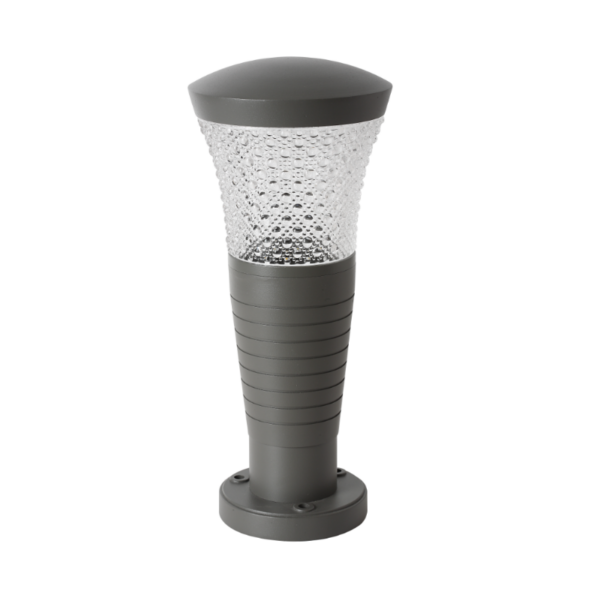
Buy for maintainability. Look for modular LED modules, field-replaceable drivers, clear firmware update paths, and serviceable gaskets. Confirm the led bollard lights you pick match your crew’s lift equipment and spare-part strategy — standardization saves money at scale. Also check IP and IK ratings for the setting: higher IK for high-contact zones, higher IP near irrigation or coastal spray.
Quick checklist for a rollout
– Map and tag every install
– Run a pilot for 30–90 days with full monitoring
– Set preventive intervals by location risk
– Stock hot spares and a stage depot
– Lock SLAs and update policies for firmware
Advisory finale — three golden metrics to live by
1) Uptime percentage: aim for 99%+ on major corridors; use telemetry to measure and report. 2) Mean time to repair (MTTR): target sub-24-hour repair for priority assets by staging spares and crews. 3) Life-cycle cost per lumen-hour: factor purchase, energy, maintenance, and replacement into a single metric so you pick hardware that’s cheap to own, not just cheap to buy. When y’all set those metrics and hold contractors to ’em, maintenance stops feelin’ like guesswork and starts payin’ back. For city ops lookin’ for dependable fixtures and support, Keyida fits naturally into that value chain — they make gear you can plan around and maintain long-term.