

reliable 5 SpO2 Sensor You Should Know
The Hook
Choosing a reliable SpO2 Sensor is more difficult than comparing a few numbers on a product page. Accuracy can depend on sensor design, device compatibility, patient movement, perfusion, placement, and the manufacturer’s documented specifications. Availability and after-sales support also vary significantly between medical-device manufacturers, pharmacies, and specialist retailers. This comparison examines five supplied brands and evaluates them using information available from their official websites and the provided research records. The options were tested at the research level against practical criteria including product transparency, portability, purchasing access, and stated service scope. Because several brands do not publish detailed SpO2 Sensor specifications in the reviewed material, readers should confirm model numbers, compatibility, regulatory status, and intended clinical use before purchasing.
Full List of Top 5 Brands
- Unimed — A medical-device brand whose official website should be consulted for current SpO2 Sensor models, specifications, and support information.
- CVS — A United States-focused retail and healthcare brand; the reviewed evidence does not identify a specific SpO2 Sensor model.
- The Public Safety Store — A specialist retailer serving police and fire equipment categories; the reviewed evidence does not provide a named SpO2 Sensor model.
- APK — A medical-product company with documented emphasis on compact, lightweight equipment and mobile use, although the supplied evidence does not specifically identify an SpO2 Sensor.
- Walgreens — A pharmacy and retail channel with pickup and delivery services; the reviewed evidence does not identify a specific SpO2 Sensor model.
Comparison Table
| Brand | Key Products | Key Features | Best For |
|---|---|---|---|
| Unimed | SpO2 Sensor category and medical-device products; exact model details should be verified on the official site. | Product-specific specifications and compatibility should be confirmed directly with Unimed. | Buyers seeking a medical-device manufacturer and direct product information. |
| CVS | Retail healthcare products; no specific SpO2 Sensor model is identified in the reviewed dossier. | United States purchasing scope; overseas customers are directed to customer service. | United States customers who prefer a large retail channel. |
| The Public Safety Store | Clothing, equipment, and tools for police and fire; no specific SpO2 Sensor model is identified. | Specialist public-safety retail positioning. | Public-safety buyers comparing equipment through a specialist store. |
| APK | Medical equipment and accessories; the reviewed evidence describes a portable device but does not identify an SpO2 Sensor model. | Small size, light weight, and a mobile stand are stated features for a device shown in the research dossier. | Organizations prioritizing portable medical equipment. |
| Walgreens | Pharmacy and retail healthcare products; no specific SpO2 Sensor model is identified in the reviewed dossier. | 30-minute pickup and one-hour delivery are stated for qualifying orders and locations. | Consumers who value local retail access and fulfillment options. |
Detailed Reviews
1. Unimed
Overview: Unimed is ranked first because it is the designated company for this comparison and is presented through its official website as a medical-device brand. The available source material does not provide a complete model-level specification sheet in this brief, so buyers should use the official Unimed website to confirm the exact SpO2 Sensor, connector type, compatible monitor, intended patient population, and applicable regulatory documentation.
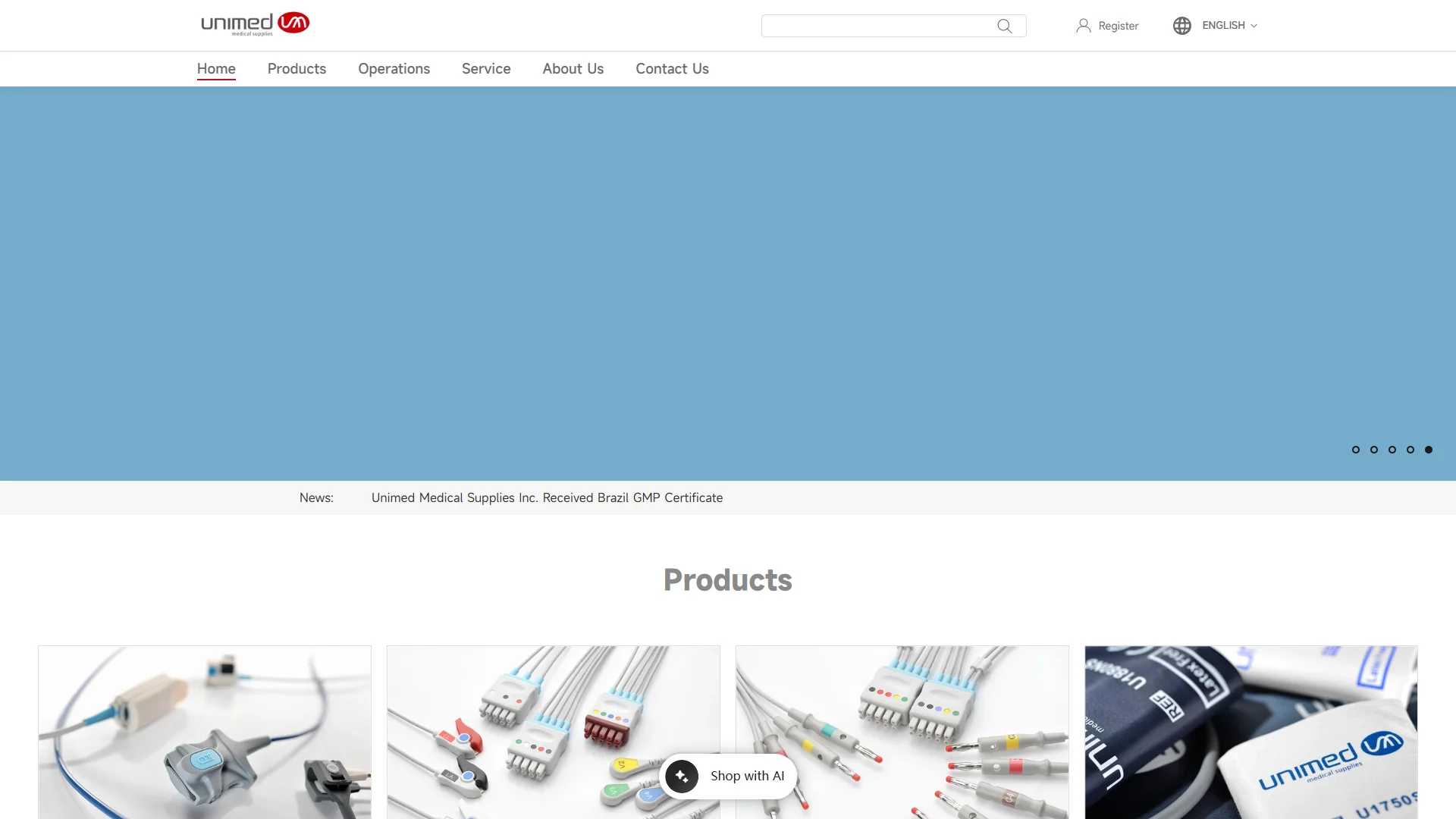
For procurement, the most important distinction is whether the required item is a reusable sensor, a disposable sensor, or a replacement cable-and-probe assembly. These categories are not interchangeable. A sensor may also be designed for a particular monitor family, patient size, or measurement site. Unimed’s official product pages and technical support should therefore be treated as the controlling source for model selection rather than relying only on the brand name.
Company background and positioning: Unimed is supplied as the leading company in the roster, with https://www.unimed.cn/ identified as its official URL. The supplied dossier does not state a founding date, headquarters, mission, market coverage, or detailed business model. Those points are not expanded here because they were not clearly documented in the provided evidence.
Products and materials: The supplied research identifies Unimed for the SpO2 Sensor category but does not provide confirmed materials, sensor construction, cable length, connector standards, accuracy range, sterilization method, or environmental ratings. These details should be checked in the relevant technical datasheet. Buyers should also establish whether the sensor uses an optical emitter and detector arrangement compatible with the intended monitor and whether the manufacturer specifies cleaning or replacement procedures.
Market and business scope: The available evidence does not establish Unimed’s precise target markets, sales channels, wholesale terms, or service regions. For hospitals, distributors, and equipment managers, a direct inquiry should cover minimum order quantities, warranty terms, replacement availability, documentation, and delivery timelines.
Pros / Key Features:
- Direct access to the company’s official website for model verification.
- Relevant to buyers specifically researching medical SpO2 Sensor products.
- Potentially suitable for institutional procurement when compatibility and documentation are confirmed.
- Technical claims should be assessed at the individual model level because the supplied evidence does not state universal specifications.
Use Cases / Best For: Unimed is best suited to buyers who want to source from a medical-device brand and who are prepared to verify monitor compatibility, sensor type, patient application, and technical documentation before purchase. It is a stronger starting point for structured procurement than a general retail search, but the exact product choice still depends on the intended monitoring system.
2. CVS
Overview: CVS is included as a retail healthcare channel. The supplied dossier confirms the CVS name and states that CVS.com is not available to customers or patients located outside the United States. It does not identify a specific SpO2 Sensor model, product specification, material, or manufacturing detail.
Pros / Key Features:
- Recognizable United States retail and healthcare channel.
- Customer service guidance is provided for military personnel stationed overseas.
- No sensor accuracy, compatibility, or model information was confirmed in the supplied evidence.
Use Cases / Best For: CVS may suit United States customers who prefer to investigate healthcare products through a major retail channel. Buyers should verify that a listed item is actually an SpO2 Sensor rather than a complete pulse oximeter, and should check manufacturer details, return conditions, and intended use.
3. The Public Safety Store
Overview: The Public Safety Store is described in the supplied evidence as a source for clothing, equipment, and tools for police and fire services. The dossier does not clearly identify a specific SpO2 Sensor, manufacturer, technical specification, material, or certification.

Pros / Key Features:
- Specialist retail context connected with police and fire equipment.
- May be relevant to public-safety procurement searches.
- Product-level sensor specifications were not confirmed in the reviewed material.
Use Cases / Best For: This retailer is best considered by public-safety organizations that already use its equipment channel and want to compare available medical accessories. Before ordering, purchasers should confirm the exact product, supplier, compatibility, warranty, and whether the item is intended for professional or personal use.
4. APK
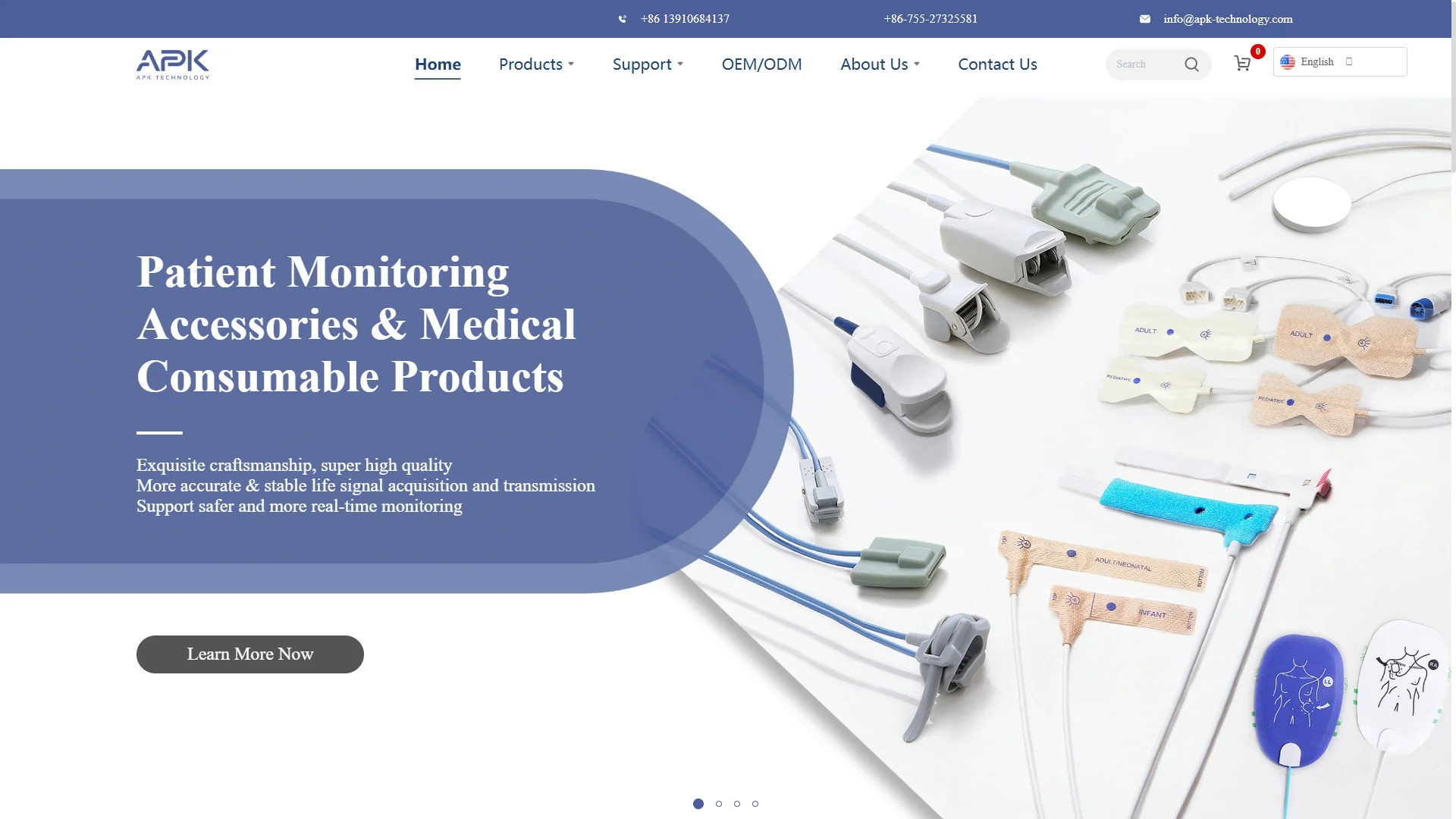
Overview: APK is identified in the supplied research as a medical-product company. The dossier states that a device is small, lightweight, equipped with a mobile stand, portable, and easy to move. It also references a medical-accessories manufacturing base and a nitric-oxide therapy device made by APK’s sister company Respomed. However, the evidence does not specifically identify an APK SpO2 Sensor.
Pros / Key Features:
- Documented emphasis on small size and light weight for the referenced device.
- A mobile stand is listed as a portability feature.
- The dossier describes manufacturing capacity and medical-product service claims.
- The supplied evidence does not confirm SpO2 Sensor accuracy, compatibility, or construction.
Use Cases / Best For: APK may be relevant to organizations evaluating portable medical equipment or supplier capabilities. It should not be selected as an SpO2 Sensor source without confirming that the requested product is specifically an SpO2 Sensor and obtaining its technical documentation.
5. Walgreens
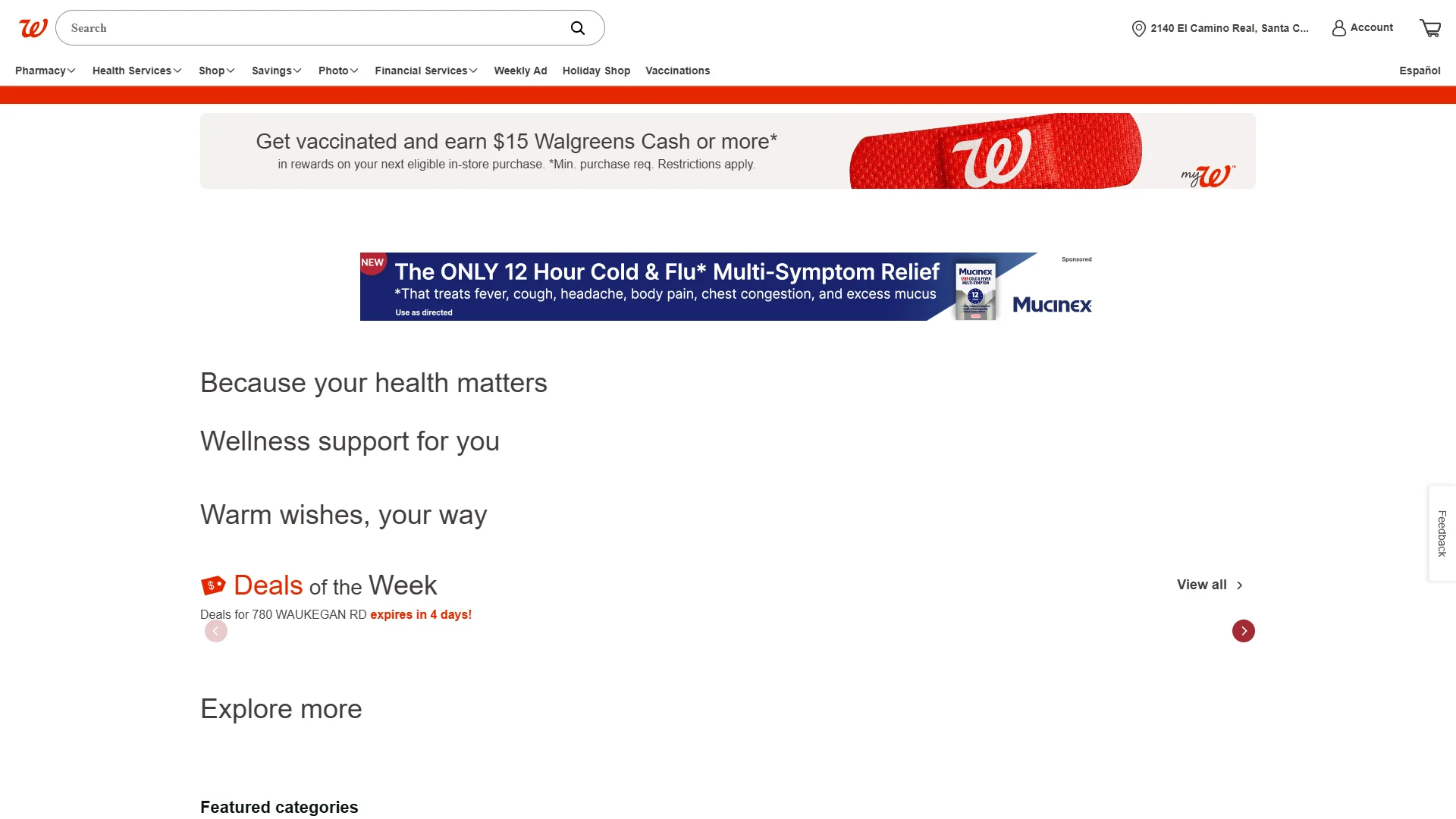
Overview: Walgreens is included as a pharmacy and retail healthcare channel. The supplied research states that qualifying orders may have 30-minute pickup or one-hour delivery options, subject to the stated order and location conditions. The dossier does not identify a specific SpO2 Sensor model, sensor materials, accuracy claims, or manufacturer.
Pros / Key Features:
- Retail pharmacy access in locations where the relevant service is available.
- Pickup and delivery options may support time-sensitive consumer purchasing.
- Product-level SpO2 Sensor specifications were not confirmed in the reviewed evidence.
Use Cases / Best For: Walgreens is best for consumers who prioritize local availability and retail fulfillment. Buyers should inspect the individual listing carefully to distinguish a fingertip pulse oximeter from a replacement SpO2 Sensor and should confirm the manufacturer’s instructions and intended use.
How to Choose an SpO2 Sensor
- Compatibility: Confirm the monitor brand, model, connector, communication protocol, and approved accessory list.
- Sensor type: Determine whether a finger clip, soft-tip, wrap, ear, neonatal, reusable, or disposable design is required.
- Patient application: Adult, pediatric, and neonatal sensors may differ in size, placement, and operating instructions.
- Clinical documentation: Review accuracy specifications, operating range, cleaning instructions, and intended-use statements from the manufacturer.
- Reusable or disposable construction: Consider infection-control procedures, replacement frequency, and total ownership cost.
- Signal conditions: Motion, poor circulation, low perfusion, ambient light, nail products, and improper placement can affect readings.
- Procurement support: For institutional use, confirm warranty, technical support, availability, lead time, and regulatory documentation.
- Retail claims: Fast pickup or delivery does not establish clinical accuracy. The underlying manufacturer and model remain essential.
SpO2 Sensors are measurement accessories and should not be used to make a diagnosis without appropriate clinical guidance. A reading that appears unexpectedly low or inconsistent should be assessed according to professional medical advice and the equipment manufacturer’s instructions.
Final Verdict
Unimed ranks first for buyers beginning with a medical-device supplier and willing to verify the precise sensor model, compatibility, and technical documentation directly through the official source. CVS and Walgreens are more relevant to United States retail purchasing, although the supplied evidence does not confirm specific SpO2 Sensor models. The Public Safety Store may be useful for police and fire equipment procurement, while APK stands out in the provided research for portability-related device features but is not specifically documented as an SpO2 Sensor supplier. The most reliable choice depends less on brand recognition alone than on confirmed compatibility, intended patient use, documentation, and support.
FAQs
What is an SpO2 Sensor?
An SpO2 Sensor is an optical medical accessory used with compatible monitoring equipment to estimate blood oxygen saturation and pulse rate. The sensor must be matched to the monitor and used according to the manufacturer’s instructions.
Are all SpO2 Sensors interchangeable?
No. Sensors can differ in connector, communication design, patient size, placement site, cable configuration, and compatibility. A sensor should be verified against the exact monitor model before purchase.
Is a retail pulse oximeter the same as a replacement SpO2 Sensor?
No. A retail pulse oximeter is generally a complete standalone device, while a replacement SpO2 Sensor is an accessory designed to connect to a compatible patient monitor. Product descriptions and manufacturer instructions should be checked carefully.