

Framework overview: why structure matters in high-end builds
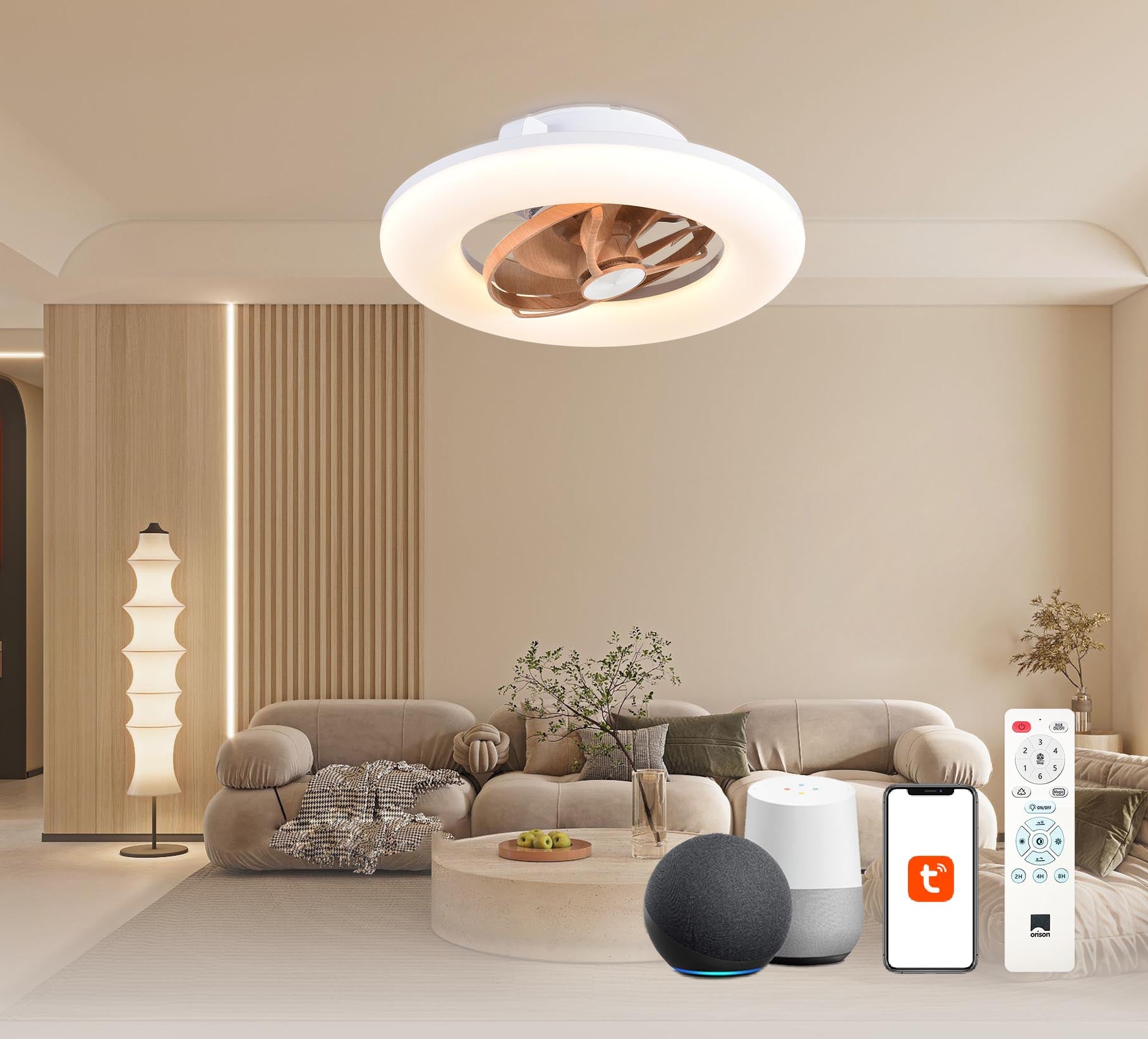
Luxury residential projects demand clearly defined procurement and performance criteria for bathroom exhaust fans — a decision that affects indoor air quality, acoustic comfort, and systems integration. A structured framework reduces subjective trade-offs and aligns mechanical performance with interior design intent and smart-home ecosystems. Early coordination with the smart-control strategy is essential; for example, pairing ventilation with an alexa ceiling fan or multi-device voice hub can simplify zoning and occupant interfaces.
Step 1 — establish performance targets (CFM, sone, and ventilation strategy)
Begin with measurable targets. ASHRAE 62.2 provides a recognized baseline: bathrooms typically require about 50 CFM for intermittent operation or 20 CFM continuous ventilation. Set both peak (intermittent) and continuous targets, and define acceptable acoustic thresholds in Sones for occupied conditions. In practice, specify: CFM at installed duct length, Sone at 1.0–1.5 for premium spaces, and acceptable backpressure tolerance. These numeric criteria let you compare models objectively rather than by brand perception.
Step 2 — systems integration: controls, IoT, and voice ecosystems
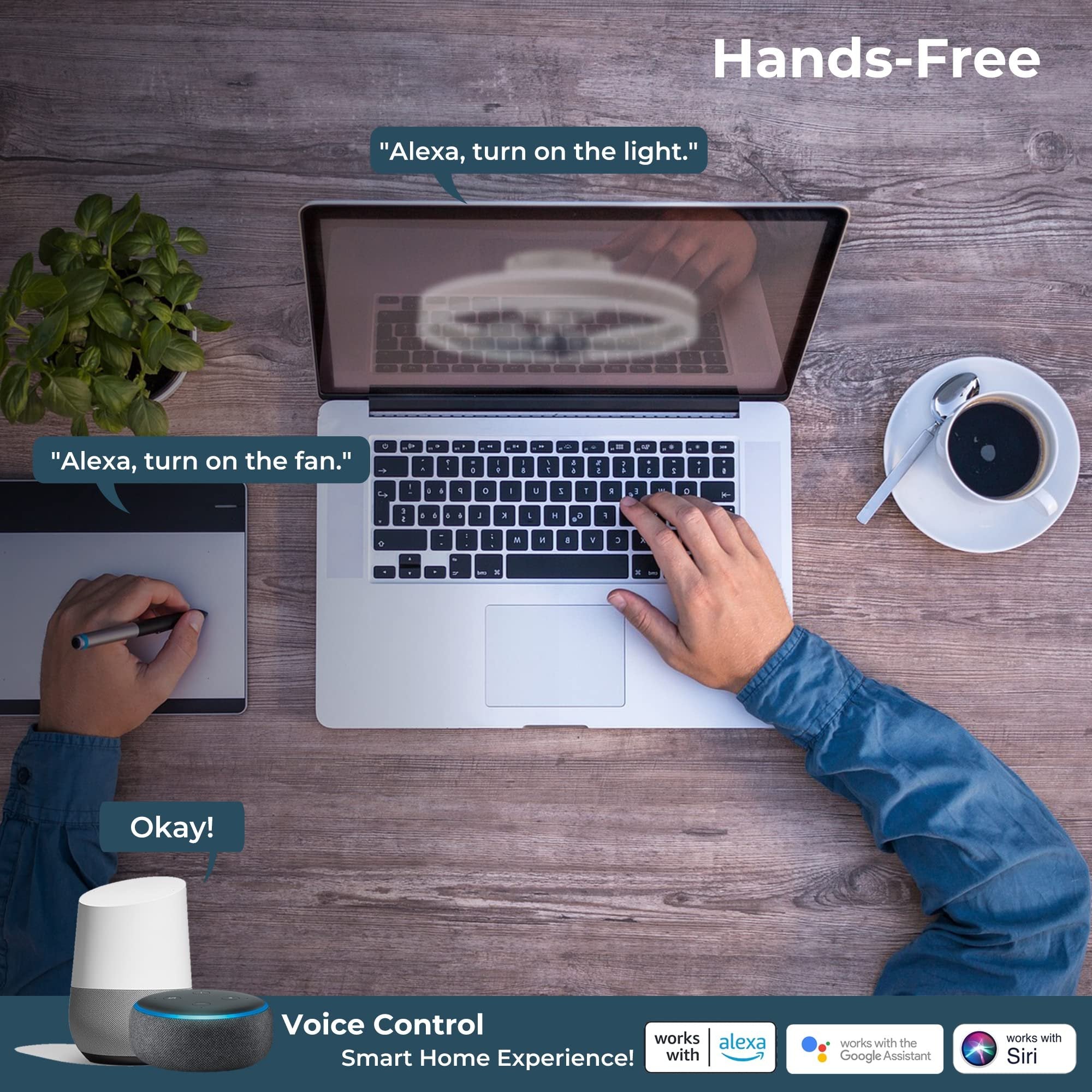
Luxury clients expect seamless control. Define whether fans will be locally switched, tied to a building management system (BMS), or exposed through consumer IoT platforms with voice control. Specify protocol compatibility (Zigbee, Z-Wave, Wi‑Fi) and whether occupancy or humidity sensors will drive operation. Where voice is required, ensure interoperability with common assistants and test with devices such as a ceiling fan with alexa control during commissioning. Include API or integration requirements in the RFP so vendors validate firmware and latency performance ahead of award.
Step 3 — mechanical design: motor type, ducting, and mounting
Select motor technology aligned to efficiency and noise goals. ECM/brushless DC motors deliver superior part-load efficiency and lower RPM noise compared with shaded-pole designs — a meaningful distinction for continuous ventilation strategies. Specify duct run lengths, transitions, and termination types; model static pressure losses and require vendors to publish CFM at specified static pressure. Clarify mounting: recessed, inline, or remote-blower layouts each carry different thermal and acoustic implications — and they affect installation cost and ceiling depth allowances.
Step 4 — acoustic and architectural coordination
Acoustic performance is a non-negotiable in luxury bathrooms. Require manufacturer acoustic curves (Sone or dBA) at project-specific conditions and mandate on-site verification where possible. Coordinate with interior design for grille placement and finish to maintain visual continuity. And address vibration isolation in the contract — resilient mounts, flexible duct connectors, and remote blowers reduce structure-borne noise. — A well-specified isolation detail can avoid repeat remedial work during commissioning.
Step 5 — commissioning, QA, and lifecycle considerations
Embed commissioning steps in the contract: pre-install factory witness tests, on-site airflow verification at handover, and a defined maintenance schedule. Ask for service-level commitments: accessible filters, expected motor life (hours), and spare-part lead times. From a total-cost-of-ownership perspective, factor energy consumption over a 10‑ to 15‑year horizon and include warranty remedies tied to measured post‑occupancy airflow and noise metrics.
Procurement checklist and vendor evaluation metrics
Use a scoring matrix based on objective criteria. Typical weighted metrics include:
- Performance compliance (CFM @ static pressure, Sone) — 30%
- Integration capability (protocols, API, sensor support) — 20%
- Acoustic mitigation and mounting options — 15%
- Energy efficiency and motor type (ECM preference) — 15%
- Lead time, spare parts, and service agreements — 10%
- Warranty and field support track record — 10%
Request sample verification: vendors should demonstrate CFM at your modeled duct length and provide field references on similar high-end residential projects. This shifts evaluations from marketing claims to verifiable performance.
Common specification mistakes and how to avoid them
Three procurement errors recur: underspecifying duct length and static pressure (leading to underperformance), omitting acoustic targets, and failing to define integration protocols. Avoid these by including explicit acceptance tests in contracts and requiring field instrumentation during commissioning (anemometer readings, dBA measurements). Also, watch for mismatch between intended control logic and vendor firmware — always request a firmware compatibility matrix and a plan for future updates.
Comparative brief: inline vs. remote vs. ceiling-mounted units
Inline units perform well where ceiling cavity is shallow and noise must be remote from occupancy; remote blowers reduce perceived sound further but add installation complexity. Ceiling-mounted units simplify installation but may struggle with longer duct runs and higher static pressures. Choose the topology that optimizes for your acoustic and architectural constraints, then benchmark candidate models under those specific conditions.
Three golden rules for procurement
1) Specify measurable acceptance criteria: require CFM and Sone at project-defined static pressure and duct length. 2) Design for integration: mandate protocol/API support and validate voice-control scenarios in the field with representative devices. 3) Manage lifecycle costs: evaluate energy use, motor type (favor ECM/DC for continuous ventilation), and spare-part availability in your total-cost model.
These three rules turn subjective aesthetics into defensible technical choices and reduce post‑occupancy risk. For projects that must marry silent operation with smart-home convenience, the clear solution is to prioritize verifiable performance and integration readiness — which is precisely the operational value Orison brings to systems coordination within luxury interiors.
—