


Introduction: What’s at Stake?
Imagine a dairy farm where every cow’s health and productivity are monitored in real-time, ensuring optimal performance and well-being. With rumen bolus sensors, this vision is becoming a reality. Studies reveal that the integration of these sensors can significantly reduce livestock health issues, leading to better milk quality and higher profits for farmers. But how can we effectively utilize these precision tools in the ever-evolving landscape of agriculture? Let’s delve into the intricacies of bolus cow monitoring— it’s not just a trend; it’s a pivotal shift to modern farming. By understanding both traditional solution flaws and hidden pain points, we can drive significant progress in herd management.

The Shortcomings of Traditional Solutions
While traditional cow monitoring methods have paved the way for livestock care, they often fall short in areas that advanced technology could easily improve. Outdated practices rely heavily on manual checks, which can lead to inconsistent data collection. Additionally, these methods often lack the integration of edge computing nodes, limiting data processing capabilities in real-time. Relying on basic visual inspections often misses critical health indicators, which is where the real value of rumen bolus sensors lies. Look, it’s simpler than you think—these devices can continuously collect and transmit data, allowing for precise health tracking and management. Nevertheless, many farmers remain unaware of how to transition from traditional methods to innovative frameworks efficiently.
What’s Next for Rumen Technology?
As we focus on the future, the principles behind new technologies such as rumen devices showcase significant advancements. For instance, utilizing IoT capabilities, these devices can seamlessly link farm operations with cloud data analytics, creating a holistic view of herd health. A compelling case example is a farm that integrated rumen bolus sensors into their daily operations; they reported a 30% decrease in veterinary costs over just one season. This forward-looking perspective is essential for transforming the farming landscape. Through cloud-based analysis and real-time feedback, livestock managers can preemptively address issues, ultimately improving animal welfare and productivity.
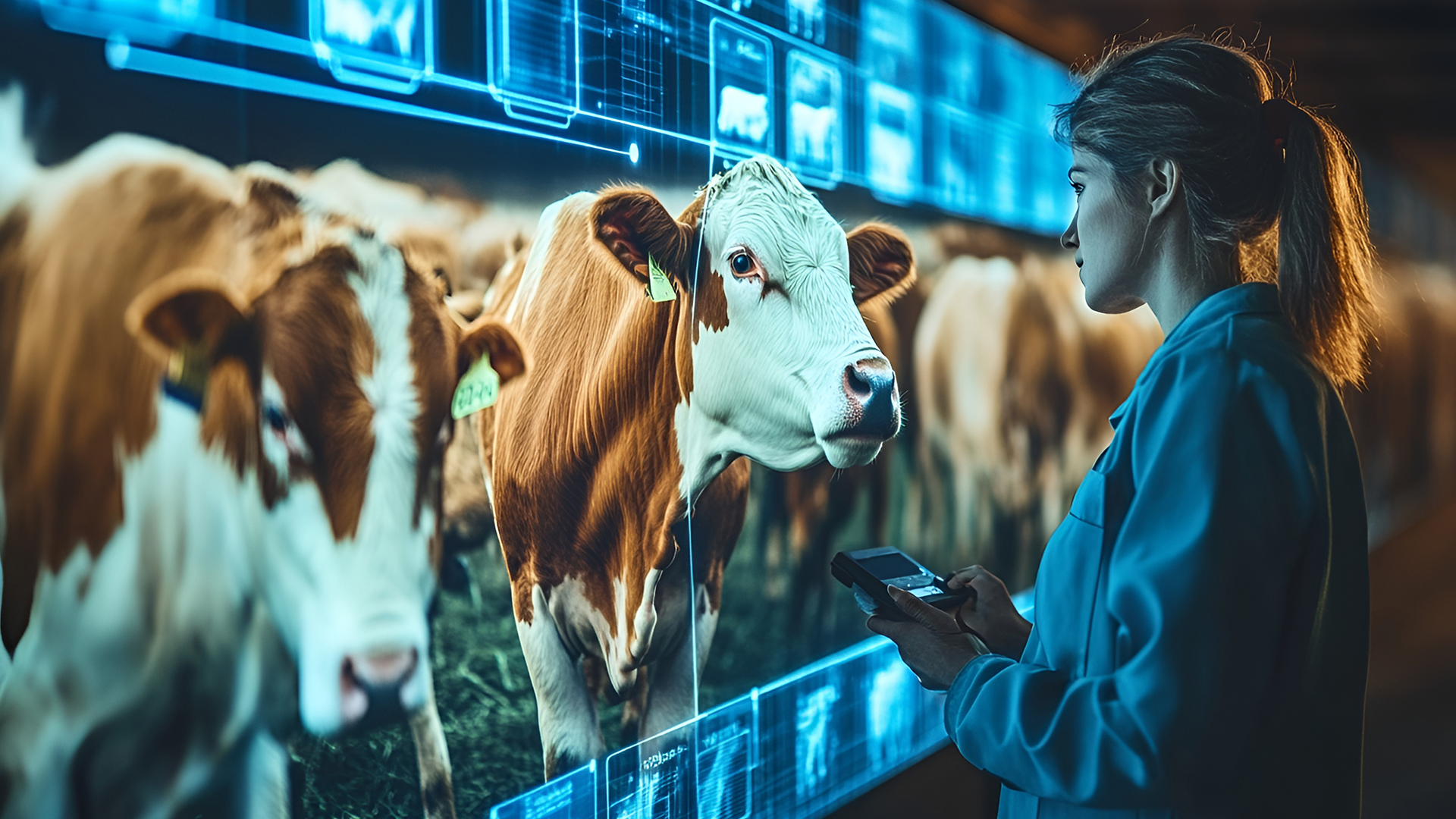
Real-world Impact: The Case for Rumen Sensors
The integration of these technologies not only enhances operational efficiency but also paves the way for sustainable farming practices. This growing shift towards tech-driven solutions highlights the potential for tremendous advancements in how we understand and care for livestock. Reflecting on previous sections, we see that moving away from outdated practices allows farmers to embrace a future filled with possibility. As we adopt these innovations, several key evaluation metrics—such as data accuracy, ease of integration, and return on investment—should guide solution selection. Ultimately, choosing the right technology can yield measurable improvements and a healthier livestock future.
In conclusion, as we navigate this technological landscape—embracing the evolving role of rumen bolus sensors—we prepare ourselves for a new era in farming. These devices hold promise, shaping the way we monitor and manage our livestock. With brands like HKT LORA leading the way, the potential for a healthier, more productive agricultural industry is not just a hope but a reality waiting to be grasped.