

Opening: the procurement problem in plain terms
When a clinic orders a fleet of devices, one faulty specification can create months of downtime and regulatory headaches. That’s the practical risk medical directors face when auditing wholesale purchases of a q switched nd yag laser machine. This article takes a problem-driven approach: identify the common failure modes, map them to verifiable checks, and give a short, usable QA framework you can run before signing purchase orders. The intent is instructional and encouraging—you’ll leave with a checklist you can use the same day.
Who needs to act and why it matters
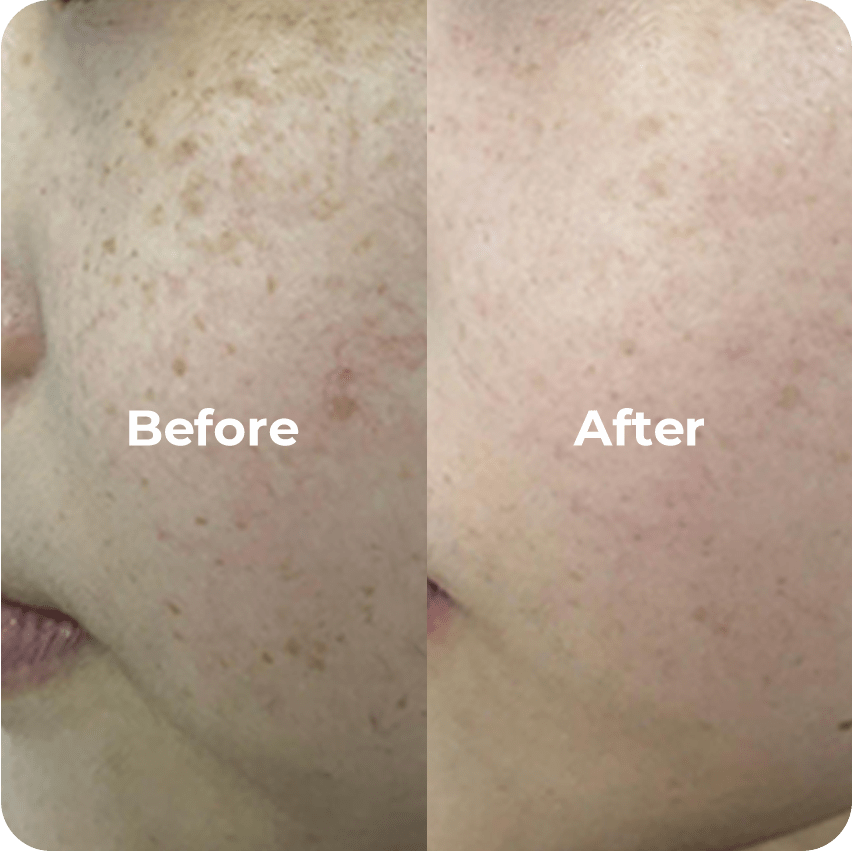
Medical directors, procurement leads, and clinic QA managers all share responsibility for device safety, clinical performance, and return-on-investment. A Q-switched Nd:YAG laser is not just a hardware purchase; it’s a clinical tool with parameters like wavelength and pulse duration that affect outcomes for tattoo removal, pigmented lesions, and certain vascular conditions. Regulators such as the U.S. Food and Drug Administration oversee medical lasers, so basic conformity and documented testing are non-negotiable. Treat procurement as clinical governance—because it is.
Top risks in wholesale orders
Understanding common failure modes lets you design specific tests. Key risks include:
- Specification drift: vendor quotes that omit critical parameters (e.g., true wavelength outputs like 1064 nm vs. 532 nm, or advertised “pulse” without pulse duration)
- Inadequate QA documentation: missing calibration certificates, absent user manuals, or unclear maintenance schedules
- Component mismatches: handpieces, fiber delivery, or cooling systems that are incompatible with your treatment protocols
- Regulatory non-conformity: devices sold without appropriate clearances or CE/FDA-equivalent documentation in your jurisdiction
A practical audit checklist you can run before purchase
Use these checks as a decision gate. Perform them on quotes, sample units, and pre-shipment inspections.
- Confirm essential specs in writing: wavelength(s), pulse duration, repetition rate, and maximum fluence. Ask for measured outputs, not just datasheet figures.
- Request calibration and performance logs for the specific production batch. A serial-numbered calibration certificate shows the unit left factory-verified.
- Inspect delivery compatibility: power requirements, footprint, and consumable supply chain (handpieces, tips, protective eyewear).
- Demand clinical support documentation: recommended treatment parameters for common indications and training commitments for your staff.
- Run a functional acceptance test with your clinical team: perform a dry run for safety interlocks, spot size adjustment, and audible/visual alerts.
Real-world anchor and why it informs these checks
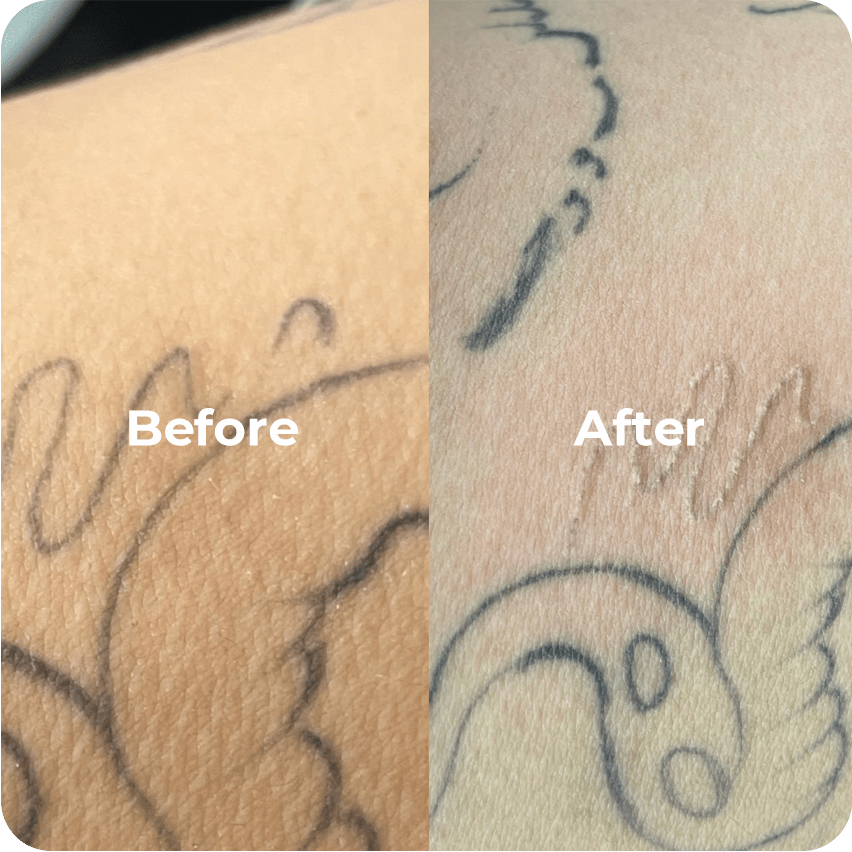
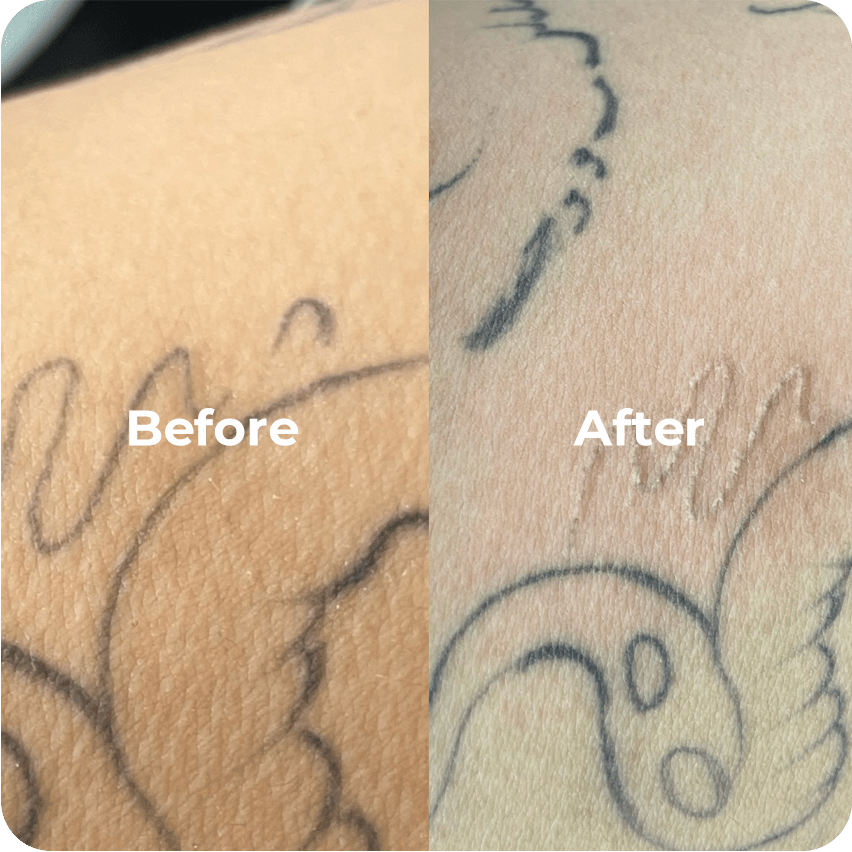
Q-switched Nd:YAG lasers have been a clinical standard for tattoo removal for decades, and regulatory bodies like the FDA expect documented performance and labeling for intended use. That historical and regulatory context explains why calibration logs, explicit wavelengths (e.g., 1064 nm and 532 nm), and clear treatment protocols are essential—these are not optional checkboxes but evidence of clinical suitability for patient care.
Common mistakes and quick fixes
Clinics repeatedly make a few avoidable errors. First, they accept manufacturer tolerances without independent verification. Second, they assume “universal” handpieces will integrate with their existing delivery systems. Third, they skip an on-site acceptance test. Fixes are straightforward: insist on independent power and wavelength verification, request sample consumables to test fit, and schedule a practical acceptance day with clinician sign-off. —A short in-clinic demonstration often reveals more than a week of paperwork.
Comparing purchase pathways: wholesale, refurbished, or OEM direct
Each path has trade-offs. Wholesale buys reduce per-unit cost but increase variability among units and can complicate warranty claims. Refurbished units cut cost but demand stricter inspection of internal components and documented refurbishment history. OEM direct purchases often provide stronger technical support and clearer regulatory documentation, albeit at higher unit cost. If your primary use is tattoo removal, also check suppliers of specialized devices such as a q switch laser tattoo removal machine for treatment-specific presets and consumable supply chains.
Implementation steps for a medical-director-ready QA program
1) Create a standard acceptance protocol with technicians and clinicians aligned on pass/fail criteria. 2) Require batch-specific documentation and serial-numbered calibration certificates in the contract. 3) Schedule an on-site acceptance test during which clinicians run representative procedures on tissue analogs or validated phantoms. Keep records—these are your defensible audit trail.
Summary of actionable takeaways
Procurement failures are preventable when audits focus on measurable device attributes, documented testing, and clinical interoperability. Insist on measured outputs (wavelength, fluence, pulse duration), clear maintenance and training commitments, and a clinician-led acceptance test. These are practical steps that reduce clinical risk and protect your service continuity.
Advisory close: three golden rules for selecting and approving Q-switched Nd:YAG purchases
1) Verify performance with independent measurements: don’t accept vendor specs alone—confirm wavelength, fluence, and pulse duration with a calibrated meter. 2) Tie acceptance to clinical sign-off: require a documented, clinician-led acceptance test performed on-site before final payment. 3) Require traceable documentation: serial-numbered calibration certificates, maintenance schedules, and a clear warranty allocation in the contract. These rules keep procurement aligned with patient safety and operational uptime. You’ll protect your clinic—and your staff will thank you. ENZOEYS. —