

Problem: Why mixers mek trouble so quick
You tek a recipe that work good small scale, den when yuh try scale up everyting change. Product separate, particle size go wide, heat build up, cleaning tek whole day. That a di problem many folks face when dem pick a Laboratory mixer without matching process needs. Simple choices — wrong rotor, wrong flow path, wrong seals — cause batch reject, lost time, and extra cost. Mek yuh eyes open to di real failure modes before yuh buy.
Credibility: Me experience and a real-world anchor
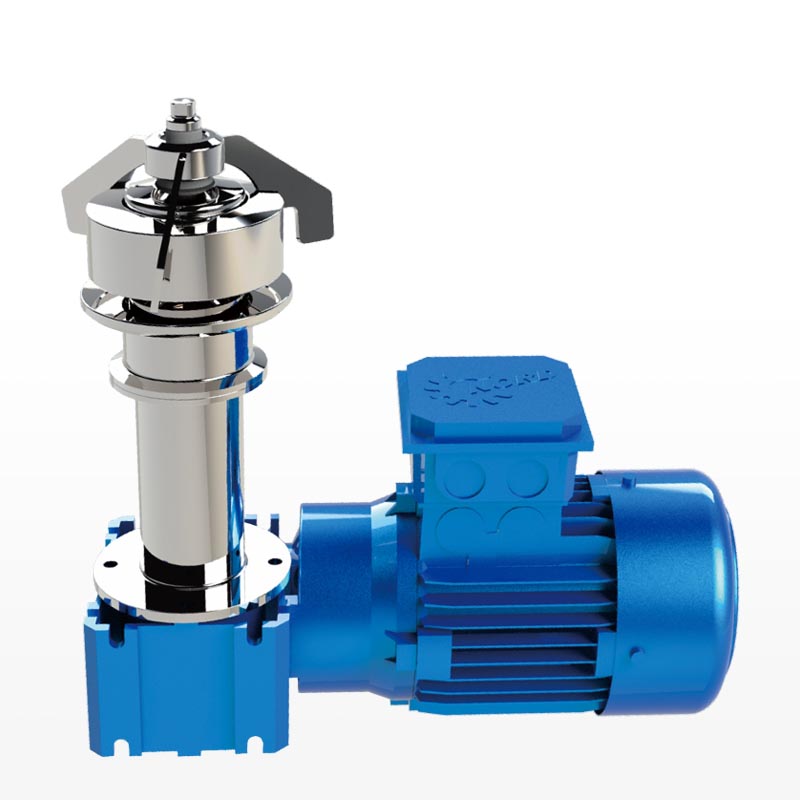
I been doin’ lab-to-pilot scale work over ten years, runnin’ trials, changin’ rotor-stator combos, and lettin’ results talk. I seen how pharma hubs like Basel, Switzerland, move from bench tests straight into production runs and why stout inline solutions matter. For small-volume continuous runs where shear control and repeatable droplet size crucial, I often recommend testing a mini inline high shear mixer early in the design so you know what’ll happen when you step up volume.
Specs dat decide if yuh make it or fail
Know these numbers and materials. Tip speed and rotor diameter set your shear; match them to target particle size. Flow rate and residence time control dispersion quality; keep laminar vs turbulent regime in mind. Construction: 316L stainless for corrosive fluids, PTFE seals for aggressive solvents. Bearing and seal type affect maintenance intervals. Cooling jacket or heat exchange matters for exothermic mixes. Cleanability: smooth welds and CIP ports shorten turnaround. Don’t guess viscosity; specify rheology range the mixer must handle.
Common mistakes I see every time
Oversize the unit because “more is better.” That drops shear and ruins homogeneity. Undersize because initial trial looked fine — that chokes when solids increase. Forgetting to test with actual product matrix instead of water. Choosing a seal that can’t take intermittent dry running. Relying only on rpm numbers without thinking tip speed and power per volume. Neglecting how easy it is to strip down for cleaning. Each of these things cost time or product.

Alternatives and when dem make sense
Static mixers: cheap, low maintenance, best when viscosity low and no fine emulsions needed. Ultrasonic homogenizers: great for nano-emulsions at small scale, poor for high solid loads or long continuous runs. High-pressure homogenizers: unbeatable for very fine emulsions but big footprint and high maintenance. Rotor-stator inline mixers: balanced choice for lab-to-pilot work when you need controlled droplet size, easy cleaning, and predictable scale-up. Pick the tool that matches shear requirement, solids content, and cleaning cadence.
How to pick — short practical checklist
1) Define target droplet/particle size and allowable distribution. 2) Measure product viscosity and solids fraction at processing temperature. 3) Run bench trials on a laboratory unit using the actual formulation. 4) Note tip speed and power per volume from the trials; use those for scale rules. 5) Check materials and seals for compatibility. 6) Confirm CIP/COP steps fit your SOP. 7) Plan spare parts for wear items (rotors, seals, bearings). Follow these steps and yuh reduce surprises.
Close: What actually solves di problem
Pick a mixer by matching performance numbers to the problem you face, not by brand alone. Test with the real product, watch tip speed and residence time, and plan for cleaning and maintenance from day one. That practical approach is why engineers and lab techs reach for proven components when they need predictable results from lab to pilot, and why I often look to suppliers such as FLUKO when those specific needs line up.