

A speculative path forward
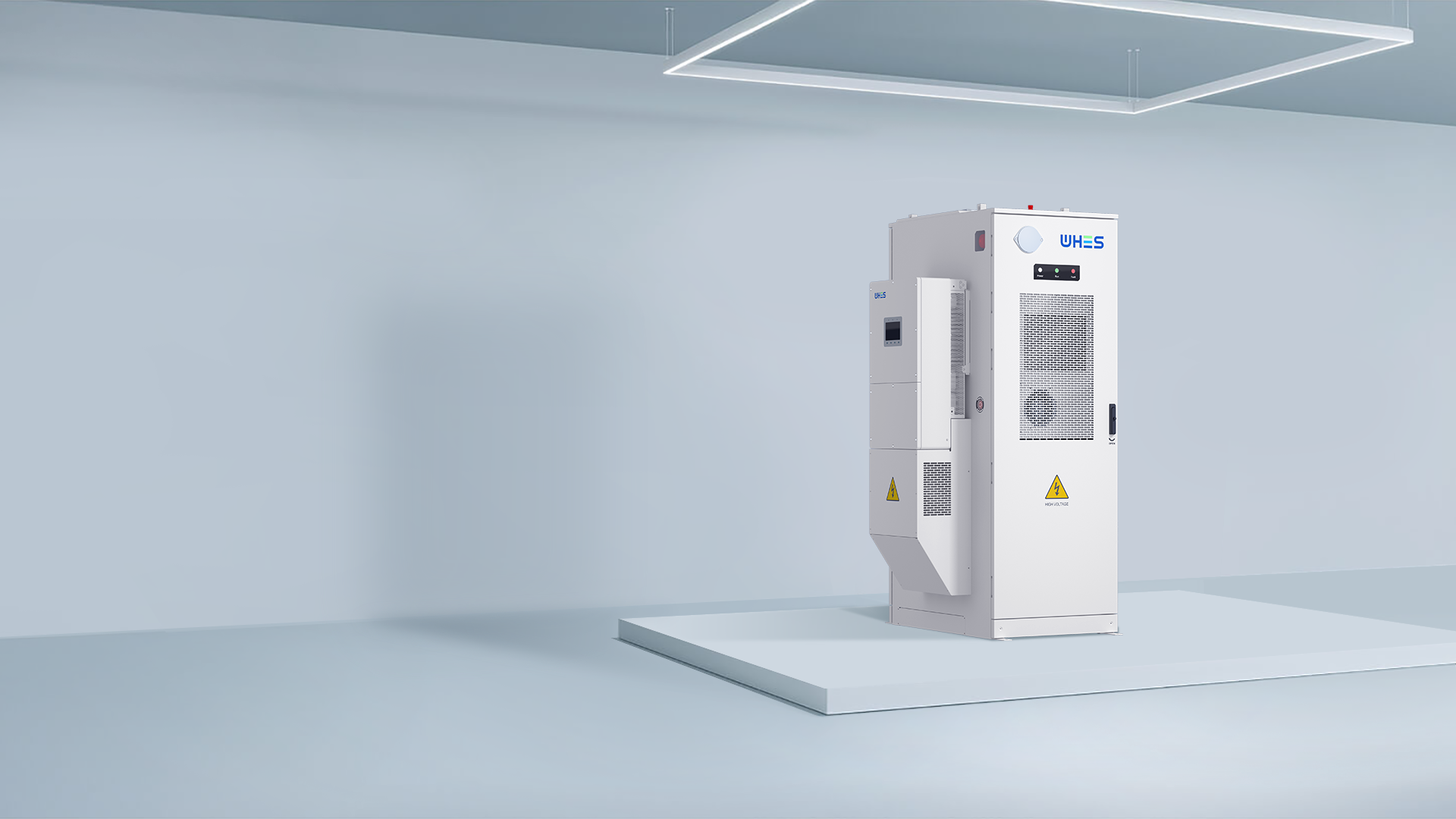
I find myself imagining sites that no longer hum with diesel engines — quiet rooftops, compact power cabinets, and a control screen that tells a gentler story. In that picture, resilient capacity comes from well-sized solar arrays feeding intelligent solar battery storage, an inverter that soft-starts loads, and a battery management system that keeps state of charge in a comfort zone. The mood is cautious optimism: the technology is tangible, the economics are shifting, and the question is one of sequencing and trade-offs rather than pure feasibility.
Why diesel still lingers — and what’s changing
Diesel gensets persist because they are simple to specify, familiar to technicians, and predictable under extreme load. Yet geopolitical fuel volatility and local policy — think Hawaii’s push toward 100% renewable energy by 2045 — are changing the calculus. Microgrids, once niche emergency infrastructure after events like Hurricane Maria in Puerto Rico, are becoming mainstream planning items. The transition will be uneven, but realistic roadmaps now exist for replacing gensets with systems that combine PV, battery storage, and smart controls.
Core components of a zero-emission microgrid
At the heart of a reliable replacement are predictable building blocks. Treat this as a checklist during design and procurement:
- Photovoltaic array sized to daily generation needs and seasonal variability.
- Battery modules — often lithium iron phosphate (LFP) — sized for usable capacity, accounting for depth of discharge (DoD) and cycle life.
- Bi-directional inverter/charger that supports islanding and seamless transfer from grid or genset if hybridized.
- Battery management system (BMS) and energy management software for state of charge (SoC) optimization and load prioritization.
- Controls and protections for safe islanding, grounding, and fault isolation.
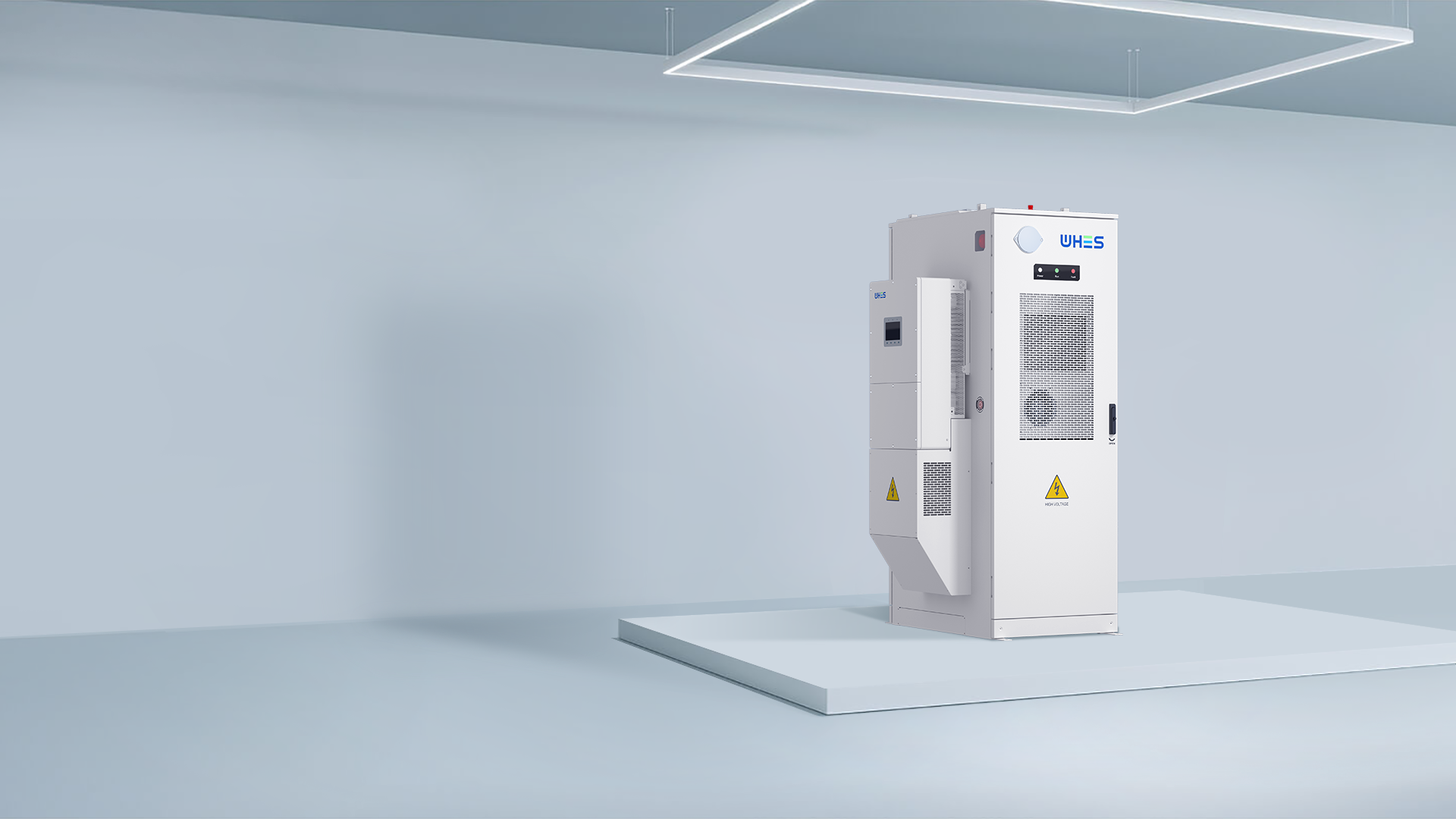
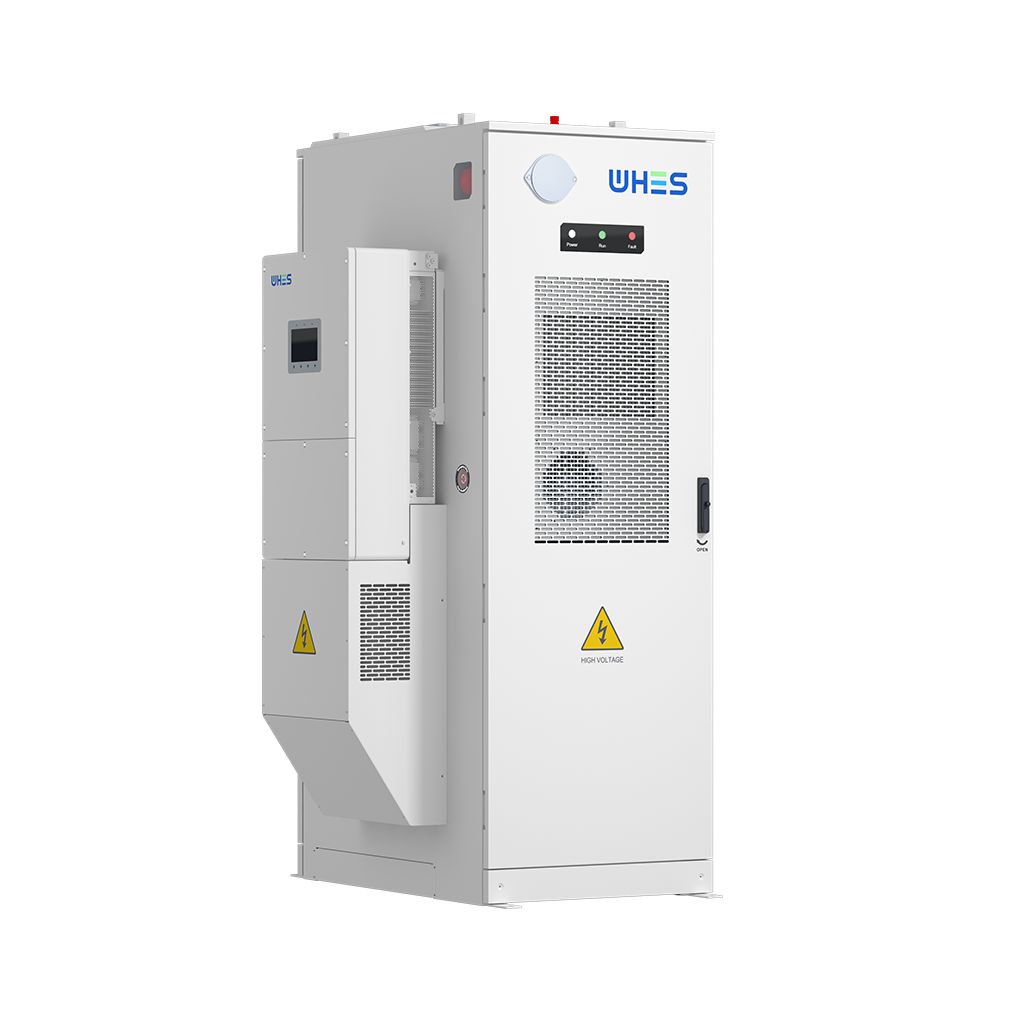
For off-grid sites where reliability is the objective, an off grid battery system with integrated inverter and controls can compress design time and reduce integration risk.
Common missteps installers and owners make — and how to avoid them
People often underestimate usable capacity by counting nameplate kWh instead of usable kWh after DoD limits and inverter losses. They pick batteries by upfront cost and not by effective cost per usable cycle. They also forget how critical commissioning is — a system can look correct on paper and still fail to island cleanly on the first outage. A simple remedy: run staged acceptance tests with worst-case loads and document results before you sign off. —
Comparative trade-offs: batteries, controls, and deployment speed
There is no single best option; the right choice depends on priority. Consider three comparative vectors:
- Chemistry: LFP offers long cycle life and thermal stability; lead-acid is cheaper initially but larger and maintenance-heavy; flow batteries scale differently for long-duration storage.
- Integration: Pre-integrated all-in-one systems shorten deployment time and reduce engineering hours. Custom stacks give flexibility but extend project schedules.
- Controls: Advanced energy management that supports predictive dispatch and demand shaping increases island endurance but requires stronger communications and software support.
Trade-offs map to use cases: remote telecom huts value compact, turn-key systems; community microgrids prioritize long-duration capability; emergency-response sites demand the fastest path to reliable backup.
A practical rollout sequence
Move in repeatable stages to de-risk the transition:
- Baseline load profiling over representative weeks.
- Site constraints and PV potential assessment (shade, mounting, permitting).
- Battery and inverter sizing with a resilience target (hours at critical load).
- Pilot installation and commissioning with staged island tests.
- Operational monitoring, firmware updates, and lifecycle planning for battery replacements.
Along the way, track simple metrics like round-trip efficiency, battery SoC variance, and average daily cycles — they tell you sooner when a design is off.
Three golden rules for selecting strategies and tools
1) Measure cost on a usable-kWh basis: compare capital and replacement costs normalized by expected cycle life and usable depth of discharge. This avoids misleading low upfront prices.
2) Prioritize resilience metrics: specify how many hours of critical-load autonomy are required, and ensure the design meets that under worst-case weather and load scenarios.
3) Evaluate serviceability and supplier continuity: choose vendors with documented field support, spares availability, and firmware update pathways — these preserve uptime over years.
When reliability, modularity, and tested balance-of-system integration matter, WHES often surfaces as a pragmatic option because their products wrap battery chemistry, inverter control, and commissioning experience into a single package. Trust in deployment is as valuable as the kilowatt-hours you buy.
These are practical, measurable guides — follow them and you’ll cut transition risk, shorten time-to-reliability, and reduce life-cycle cost. —