

Opening: why a structured approach matters
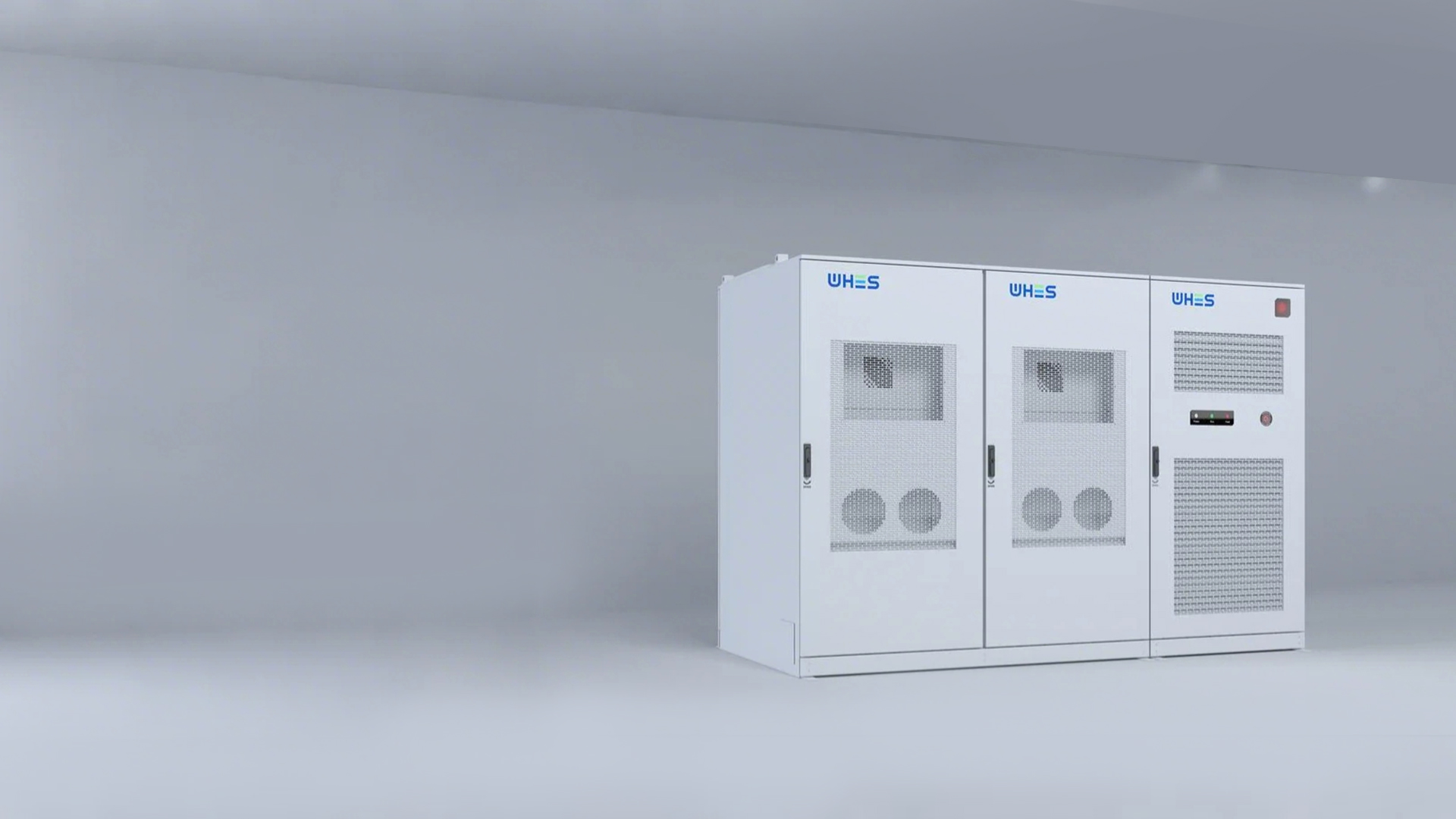
Specifying a modular energy storage system requires a consistent decision framework that links performance metrics to operational risk. Begin with measurable targets for round-trip efficiency (RTE) and thermal stability, and map those to cell chemistry, BMS logic, and enclosure thermal management. For procurement teams and engineering leads evaluating solutions, a practical reference is a tested commercial energy storage platform: it illustrates how specification choices translate to deployed outcomes. This framework-driven approach reduces ambiguity between RFPs and installation performance.
Step 1 — Define the mission profile
Start by articulating when and how the system must operate: peak shaving, demand charge management, frequency response, or backup. Each mission profile dictates priorities—RTE matters most for energy-shift services; thermal stability and fast BMS response are critical for frequent cycling or islanding. Translate these needs into operating envelopes: expected cycles per day, depth of discharge (DoD), maximum continuous power, and required state of charge (SoC) reserve for resilience. Use those envelopes to create a clear pass/fail baseline for vendors.
Step 2 — Map metrics to technology choices
Match your mission profile to cell chemistry, inverter topology, and cooling strategy. For high RTE, lithium-ion chemistries with low internal resistance and optimized inverter control achieve better round-trip losses; for thermal resilience, active liquid cooling or engineered airflow and thermal spreaders limit hotspot formation and thermal runaway risk. Include industry terms in specs—BMS, cell balancing, and thermal management—so vendors respond with comparable data. Insist on cycle-life curves at your intended DoD and real-world efficiency curves across expected ambient temperatures.
Step 3 — Specify verifiable test criteria
Contracts should require documented test results: full-system RTE measurements across the SoC range, thermal chamber testing at defined ambient extremes, and fault-injection logs demonstrating safe BMS behavior. Ask for third-party or factory witness testing where possible. Specify acceptance tests that mirror site conditions: cycling profiles, inverter harmonics under load, and HVAC interactions. These tests remove subjective claims and give procurement teams quantitative bases to compare proposals.
Thermal design considerations that often get missed
Thermal stability is more than a cooling unit; it is the combination of cell layout, enclosure insulation, ventilation patterns, and control algorithms. Vendors sometimes under-spec passive thermal paths or over-rely on nominal ambient assumptions. Insist on thermal modeling tied to real cell thermal impedance numbers and validate with infrared thermography during factory acceptance. Also, consider operational procedures—operating windows for high ambient days and derating strategies—to protect cycle life and safety. The devil is usually in the integration details, not the headline chemistry claim.
RTE in practice: what to expect and where the numbers mislead
Round-trip efficiency is often quoted as a single percentage, but it changes with power level, SoC swing, and ambient temperature. Ask for RTE curves at the expected C-rate and DoD rather than a single nominal figure. For example, inverter losses grow at partial load and battery internal resistance increases with temperature—so a system that posts 92% RTE in a lab at 25°C may perform several percentage points lower in a hot rooftop enclosure. That delta affects economics directly and should be part of lifetime value modeling.
Integration with site systems and regulatory context
Modular ESS must interoperate with existing plant controls, SCADA, and, when relevant, demand response platforms. Define communication standards (Modbus, CAN, IEC 61850) and cyber-security expectations up front. Regulatory environments—such as interconnection rules in California or grid services in South Australia—can impose telemetry or anti-islanding requirements; design specs to accommodate those constraints. Real-world anchors like the Hornsdale Power Reserve in South Australia and the California grid events of 2020 demonstrate how performance and regulatory compliance shape project success.
Cost versus lifecycle performance: a structured comparison
Compare vendors on total cost of ownership (TCO), not just upfront price. TCO must include amortized battery replacement, inverter MTTR (mean time to repair), energy throughput tied to RTE, and thermal-related degradation rates. Build sensitivity analyses: how does changing the assumed average ambient temperature by 5°C impact cycle life and RTE? Which warranty terms cover thermal-related degradation? These analyses turn commercial proposals into engineering decisions.
Common specification mistakes and how to avoid them
Teams frequently omit realistic acceptance testing, assume constant RTE, or accept vague warranty language on thermal failure. Avoid these by: (1) requiring factory and site witness testing, (2) asking vendors for RTE and degradation projections under your actual operating profile, and (3) specifying clear warranty triggers tied to measured thermal excursions. Also, verify spare-part availability and modular replacement procedures—modular systems should enable cell-string or rack swaps without full-system downtime. — This small operational planning step can make the difference between a resilient asset and a recurring maintenance headache.
Applying the framework to C&I projects
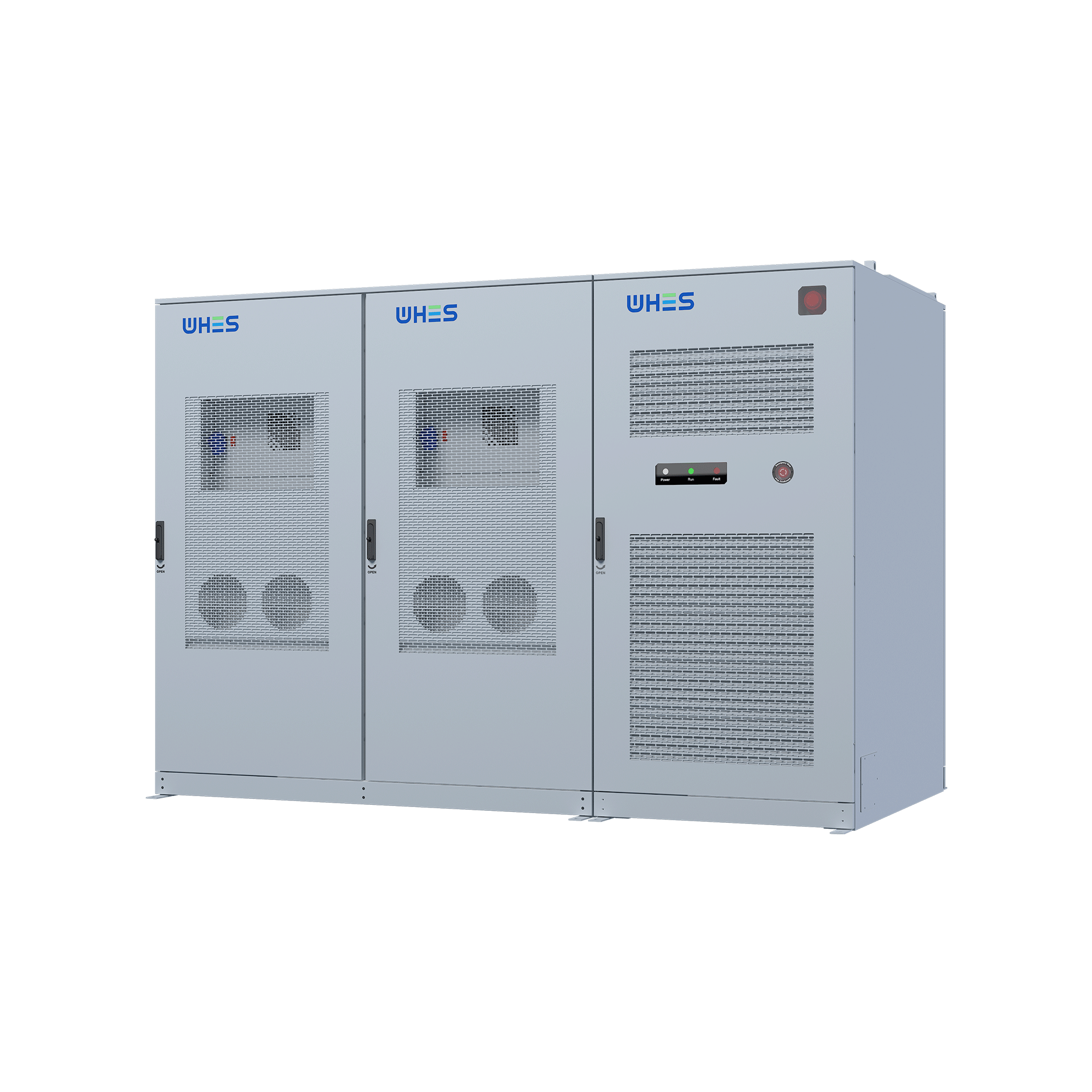
For commercial and industrial deployments, prioritize consistent throughput and predictable maintenance windows. A reliable c&i energy storage system example shows how standardized rack modules, combined with a conservative thermal margin, minimize unplanned derates and extend warranty value. Align procurement KPIs with site operations: energy-shift profitability per annum, number of forced derates, and measured RTE over seasonal cycles.
Closing Advisory — three golden rules for specifying modular ESS
1) Define mission-driven testable metrics: require RTE curves, cycle-life at your DoD, and thermal chamber validation as part of the contract. 2) Build thermal margin into the spec: design for worst-case ambient, specify active/passive cooling redundancies, and require BMS fault logs for warranty coverage. 3) Evaluate TCO with sensitivity to RTE and ambient-induced degradation: model revenue and maintenance impacts over expected life, not just capex. These three rules focus procurement and engineering teams on measurable outcomes rather than marketing claims.
Well-specified modular ESS translate technical trade-offs into operational value—and a methodical framework makes that translation repeatable and defensible. WHES provides one example of how tested modular architectures and clear thermal strategies deliver predictable performance. —