

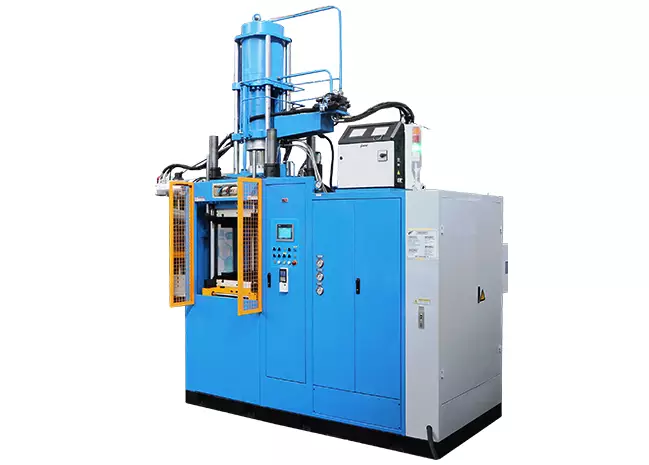
Problem: Why old presses break production flow
Many rubber belt track makers face steady rejects and long cycle time because a simple compression press cannot handle staged injection profiling and precise ejection control. Suppliers in Guangdong and Zhejiang saw this in local lines when automotive and conveyor sectors demanded tighter tolerances after 2020—so the issue is real and immediate. Modern lines want a vertical rubber injection molding machine that does both accurate injection profiling and repeatable ejection without extra manual touch-up. This gap creates scrap, extra labor, and delayed delivery.
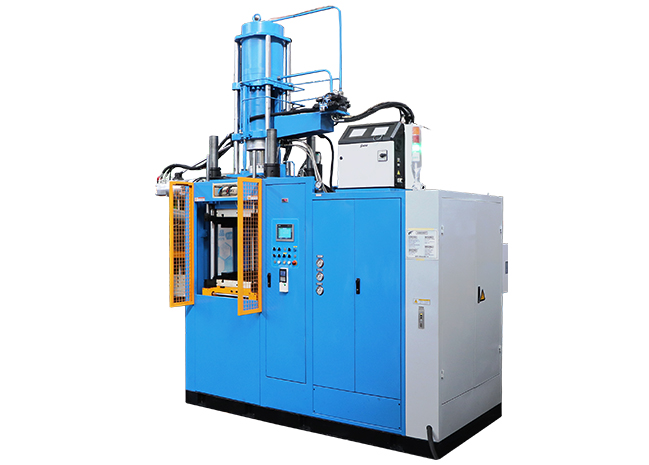
Diagnosis: What goes wrong on the shop floor
Common faults come from three weak spots: inconsistent injection profiling, blunt ejection sequencing, and poor thermal control. Injection profiling needs staged pressure and speed, not one-shot shove. Ejection control must match the part’s cure state so molds don’t tear the track. Add fluctuating mold temperature and clamping force variability, and defects multiply. The machine is only part of the solution; control logic and tooling discipline are equally important.
How multi-stage injection profiling helps
Multi-stage injection profiling breaks the fill and pack into controllable segments. First stage fills gently to reduce flash. Second stage ramps pressure for compaction. Third stage holds to stabilize the rubber against the mold faces. This approach lowers internal voids and improves dimensional stability. Engineers call it staged injection profiling and pair it with closed-loop sensors to keep setpoints consistent across shifts.
Ejection control: timing, force, and part integrity
Ejection control must be synced to cure and to mechanical state. A timed push risks deforming a barely cured track; too slow and cycle time suffers. Modern systems use programmable ejection sequences, speed profiles, and force limits so the ejector behaves like an experienced technician—gentle when needed, firm when safe. Hydraulic cylinder sizing and ejector stroke tuning become important parts of design.
Practical upgrades that suppliers actually adopt
Suppliers move from retrofit microcontrollers to integrated PLCs with recipe storage and thermal management. Key upgrades include closed-loop injection valves, real-time mold temperature monitoring, and modular ejector banks. Many factories also add recipe traceability for quality audits—this aligns with standard certification practices like ISO 9001 observed across Chinese plants. The result: fewer rejects, shorter training time, and predictable throughput.
Common mistakes to avoid
One mistake is overcomplicating recipes. Too many micro-steps slow operators and hide the root cause. Another is neglecting maintenance on hydraulic components—worn seals make clamping force drift and ruin a good profile. Finally, people often mix tools: a vulcanizing press designed for compression, used for injection, will never match a dedicated unit. Fix the right root cause, not just symptoms.
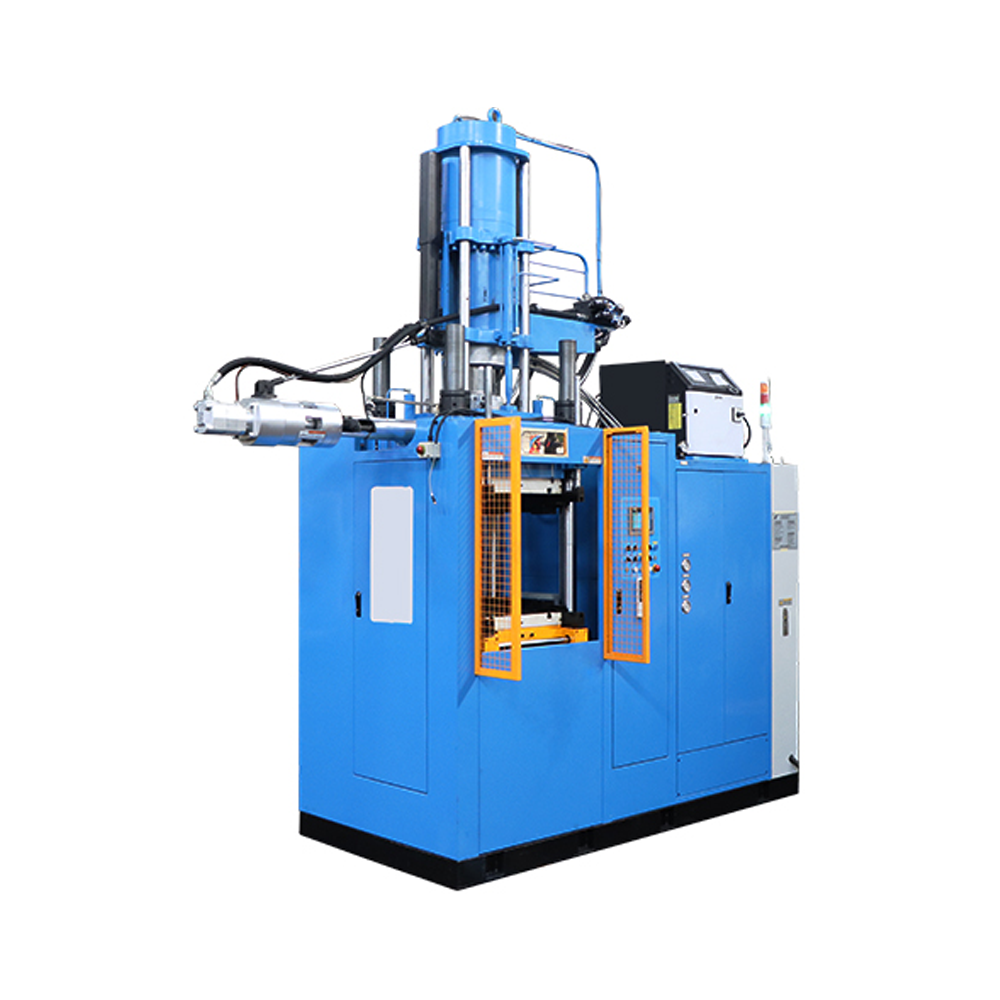
Real-world anchor and brand fit
In Guangzhou lines I visited, teams swapped older presses for a hybrid platform and saw scrap fall within weeks—training was short because operators liked clear recipes. The practical change was simple: consistent mold temperature and coordinated injection/ejection sequencing. That’s where a rubber vertical injection molding machine matches needs: vertical feed, accurate injection profiling, and dedicated ejection control designed from the ground up for track belts and similar parts.
Three golden rules for supplier selection
1) Measure control fidelity: prefer systems that log injection pressure, speed, and ejection force per cycle. That data shows whether a machine truly holds setpoints. 2) Verify thermal stability: insist on mold temperature control within narrow band—this prevents cure drift. 3) Inspect serviceability: modular pumps, easy access valves, and clear PLC recipes reduce downtime. These three metrics predict real production gains more than flashy specs.
Choose a solution that matches your process logic, not only horsepower. For many teams, the natural fit is a vertical platform that integrates injection profiling with programmable ejection—this is where HWAYI sits as a practical option HWAYI. —