

How the story began
I remember the first time I walked into a silica plant: the hum, the dust collectors, the pride in repeatable particle shapes. Over decades the material moved from a curious filler to a performance ingredient that sits beside white carbon black on compound sheets and spec lists. That evolution wasn’t sudden. It came from solved problems—traction, fuel economy, and heat build-up—one pilot run at a time.

Why formulations shifted toward precipitated silica
Simple facts drove the change. Precipitated silica gives rubber formulators control over surface area, structure, and oil absorption. You tune tread grip without wrecking wear life. You lower hysteresis to trim rolling resistance. I’ve seen suppliers tweak process conditions and produce grades that let engineers trade a smidge of wet grip for measurable fuel savings. Those are practical wins, not marketing puffery.
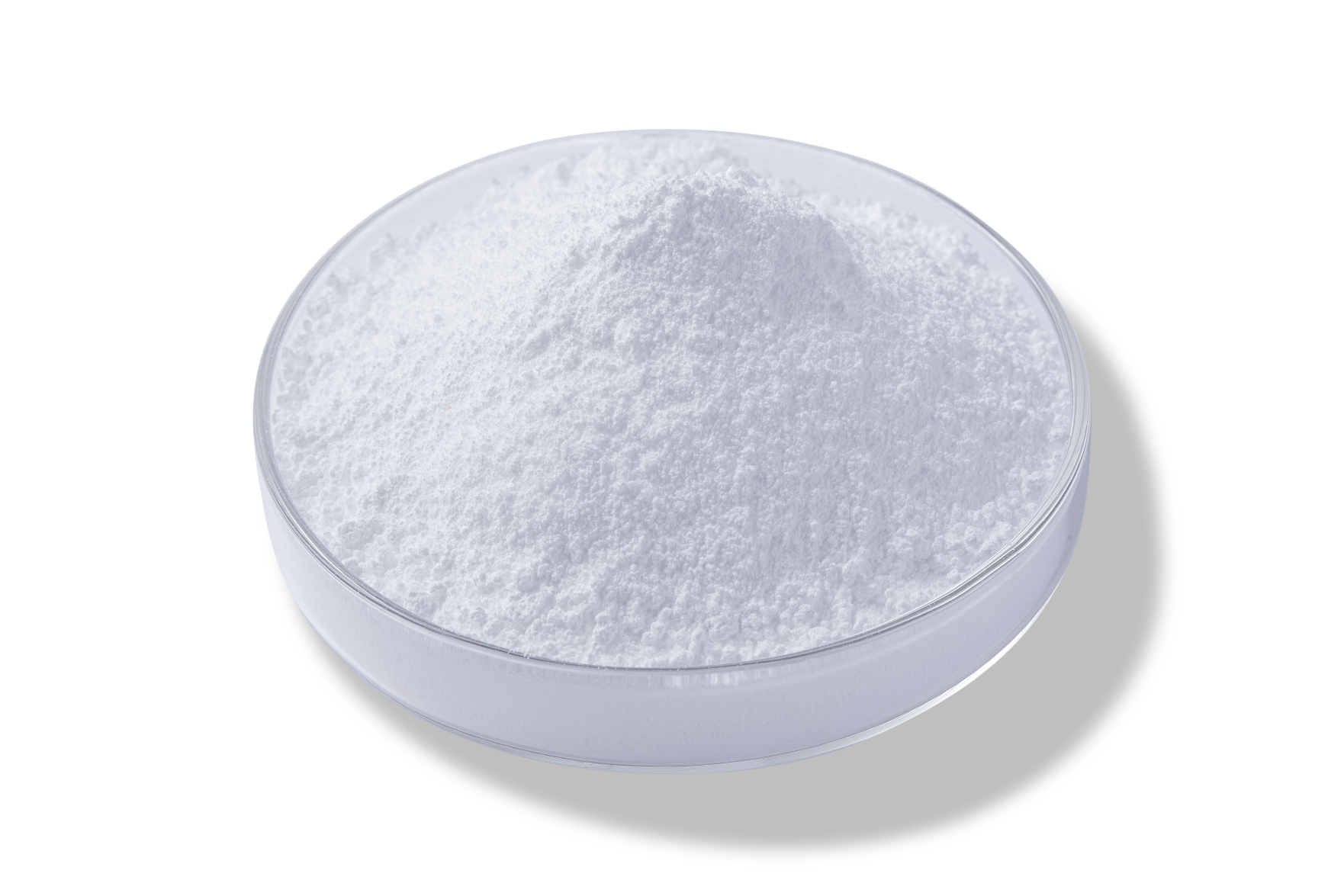
Real-world credibility: what I leaned on
Experience matters, but verifiable context seals it. When EU tire-label rules rolled out in 2012, tyre makers leaned hard on silica to meet the new rolling-resistance thresholds—an industry inflection point you can trace in trade reports. My years working with compound labs taught me where silica earns its place: controlled polymer-filler bonding and predictable dispersion. That hands-on perspective aligns with documented studies about silica in tire tread, showing reduced rolling resistance when formulations and mixing practices are right.
Common traps and what to avoid
Buyers often make the same mistakes. They pick the highest surface-area grade thinking “more must be better,” then scramble when mixing becomes gummy. They skip compatibility checks with coupling agents and blame the silica. They forget moisture control and end up with batch-to-batch variability. Don’t assume supplier specs guarantee easy dispersion; insist on lab samples and mixing trials. Small mistakes in upstream handling create big headaches in downstream performance.
Alternatives that deserve a fair look
Carbon blacks, specialty fillers, and hybrid blends each have solid use cases. For heavy wear applications, properly chosen carbon black can still outwear silica. For cost-driven compound runs, engineered calcium silicates or micro-fillers reduce price without collapsing properties. But if your brief is rolling resistance plus wet traction for modern passenger tires, precipitated silica typically outperforms those options when paired with the right silane and mixing profile.
Practical buying checklist
Ask for particle-size distribution, BET surface area, structure (CTAB or oil absorption), and recommended silane couplers. Request certificates of analysis and a two-kilo trial sample for your exact masterbatch recipe. Check moisture specs and storage recommendations—silica loves humidity like a sponge. Confirm the supplier’s technical support for mixing parameters; a phone call from an experienced chemist beats a glossy data sheet.
How to judge a supplier beyond specs
Listen for practical answers. A reputable supplier will discuss dispersion curves, recommend silane types, and offer processing tips tailored to your internal mixers and schedules. They’ll own up to limits—no magic grades. Trust is built when they suggest a mixing change that prevents a bigger failure, not when they promise impossible performance gains.
Closing reflection
After a lifetime of chapbooks, lab notes, and late-night troubleshooting, I trust the materials that come with transparent data and sensible support. Precipitated silica earned its place because it solved real needs in tires and other elastomers, and because some manufacturers kept improving consistency and guidance. If you want a pragmatic partner that understands those trade-offs, check the supplier’s track record and lab backing—JSJ Silica fits that mold without bravado, offering practical grades and the kind of technical dialogue that saves time on the shop floor.