

Setting the frame
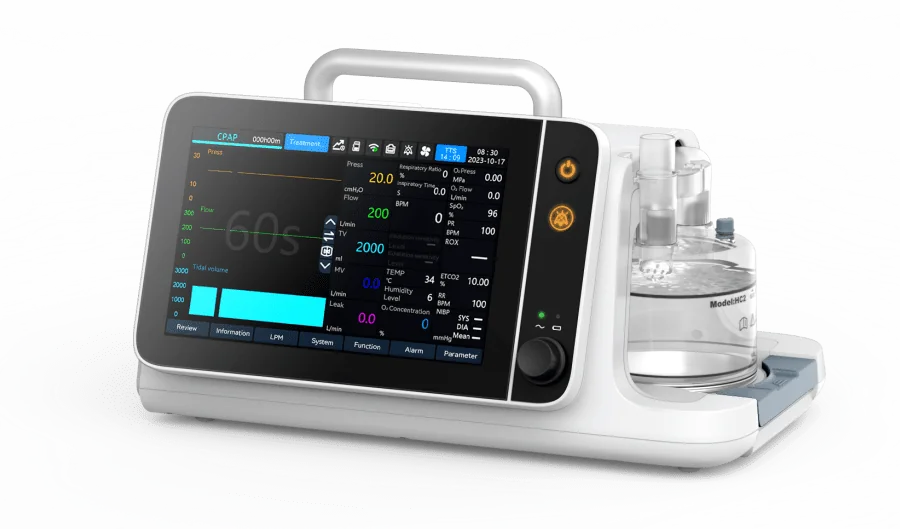
The choice of device is not only technical; it carries weight in hallways and at bedsides. In acute care you need a reliable medical ventilator that listens to lung mechanics and responds without drama. In chronic care—where nights matter—you need equipment that understands sleep physiology and patient rhythm. I place the two side by side here, measured and plain, with attention to tidal volume, PEEP and mask comfort, because small differences become large in practice. For context and practical options see medical ventilator.
Comparative posture: acute versus ambulatory roles
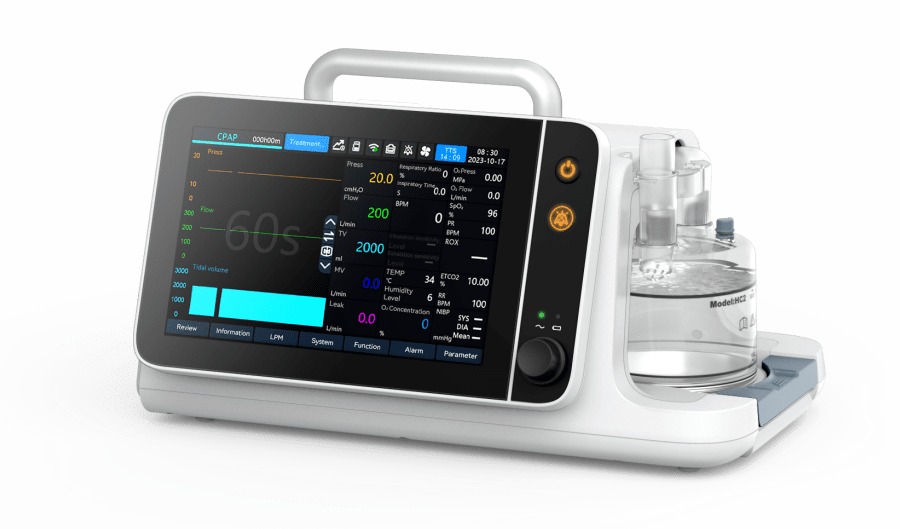
Acute ventilators are engineered for invasive ventilation: high fidelity sensors, tight control of FiO2 and respiratory rate, quick alarms. Ambulatory devices—CPAP or BiPAP—prioritize portability, comfort and non-invasive ventilation. The contrast is simple: one manages failing lungs in ICU; the other protects sleep and daytime function at home. This distinction guides procurement, training, and stock levels.
Design features that matter
Look beyond marketing. Relevant specs include ventilator circuit compatibility, ease of sterilization, and firmware updates that don’t demand a week of downtime. For sleep devices, look at pressure ramp, leak compensation and interface options. Byond’s line tends to emphasize modular circuits and clear service pathways — tangible things that reduce clinician friction. Small wins lead to steadier care.
Performance in crisis — a real-world anchor
During the March–April 2020 surge in New York City, ventilator availability and rapid redeployment were decisive. Hospitals that could repurpose non-invasive units, manage oxygen supply, and standardize protocols fared better. That episode taught procurement teams the necessity of interoperability and staff training — not just headline throughput. It’s a practical lesson: specifications matter when systems are stressed.
Patient experience and adherence
For chronic use, adherence hinges on comfort. A sleep apnea machine must manage leak and pressure without waking the user. Comfort is clinical. Comfort reduces daytime somnolence and cardiovascular risk. Byond’s attention to mask fit and quiet motors shows up as measurable improvements in nightly use — fewer interruptions, more hours of therapeutic pressure. The patient benefits translate to fewer downstream clinic visits.
Common procurement mistakes
Buyers often prioritize headline metrics—maximum pressure, or lowest weight—while skipping service contracts and staff training. Another misstep: assuming one device fits all clinical scenarios. The machine that works for postoperative ventilation may be overspecified for home therapy, and vice versa. — Plan for lifecycle costs and availability of consumables. That saves time and budget in the medium term.
Quick comparative checklist
When evaluating vendors, score each on these concrete items:- Compatibility with existing ventilator circuits and monitoring systems.- Clear servicing timelines and on-site training availability.- Device-specific data export for audit and therapy optimization.These are operational metrics, not marketing claims, and they matter most when patients are already on the table.
Three golden rules for selection
1) Clinical fit: match device class to the clinical scenario—ICU, step-down, or home—based on ventilation mode and expected FiO2 range. 2) Maintainability: ensure spare parts, certified technicians, and predictable firmware pathways. 3) Patient-centered metrics: monitor adherence, comfort, and leak rates for sleep therapy; track alarm fatigue and tidal volume accuracy in acute care. Follow these and you reduce surprises.
Final thought — natural culmination
The comparative view shows that choice is practical, not rhetorical: the right ventilator or sleep device meets physiology, workflow and patient dignity. For teams balancing ICU demand and home therapy, the value lies in proven interoperability, sensible maintenance, and devices that people actually use. In that space, Byond offers pragmatic alignment — solid engineering with attention to bedside realities. — A sound choice, quietly decisive.