

The problem becomes obvious only when you feel the tug
Something is wrong the moment a morning ponytail leaves a halo of frizz and a ragged parting; the damage hides in tiny, repeated tugs. You reach for familiar bands, then a thicker coil, then something softer — even a satin bonnet at night — but the root issue stays: friction and tension working unnoticed. This piece maps the problem and hands you precise fixes, with the silence of a clue revealed at midnight.
How everyday ties betray hair
Elastic digs. Narrow bands crease. Rough fibers scratch the cuticle. Those small assaults add up to breakage and thinning where you least expect it — around the hairline, along the part, under a bun. These aren’t cosmetic annoyances; they’re mechanical failures you can stop. Stylist techniques that tighten and tighten only make the failure faster.
Where common alternatives fall short — a real-world note
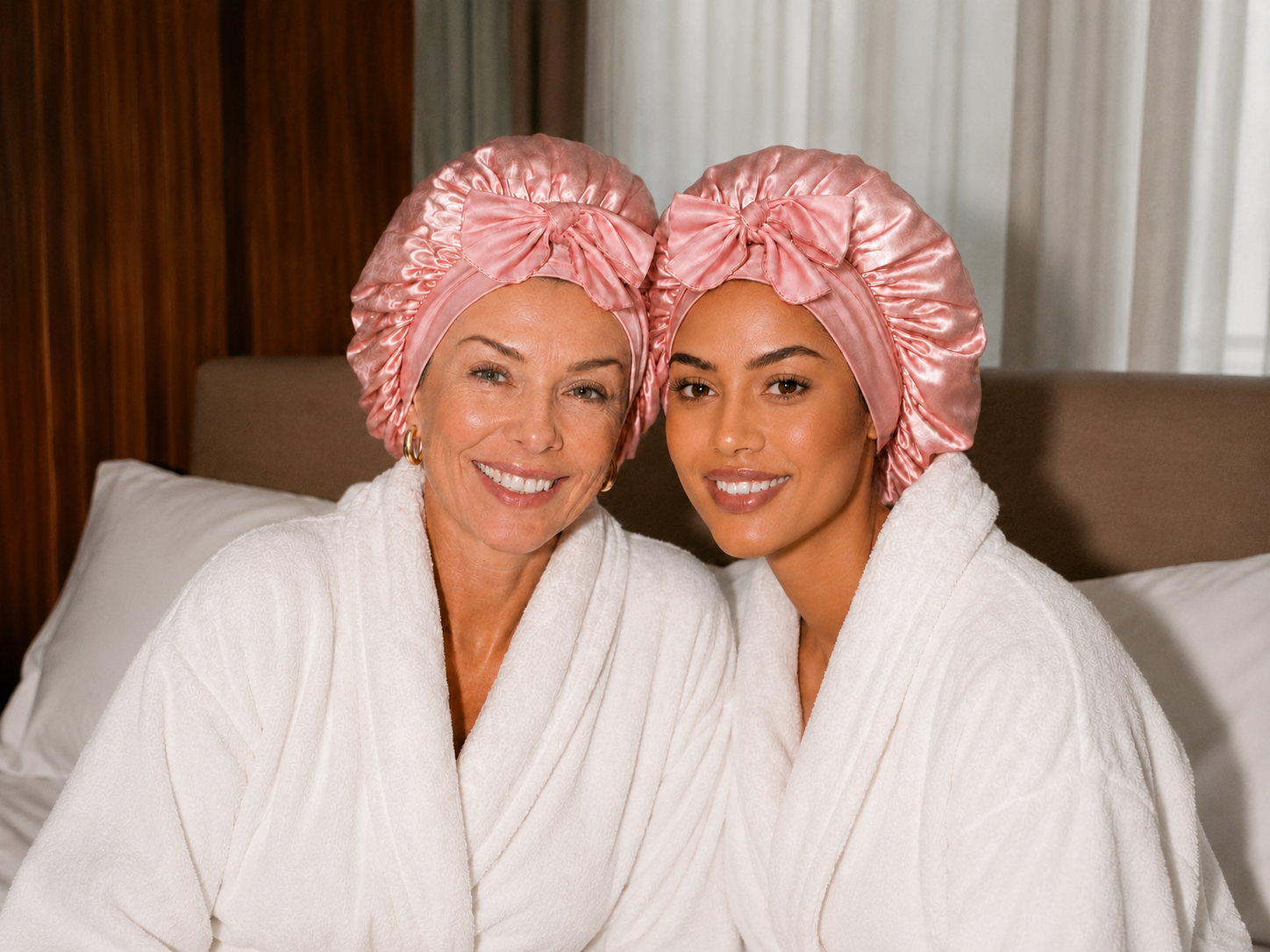
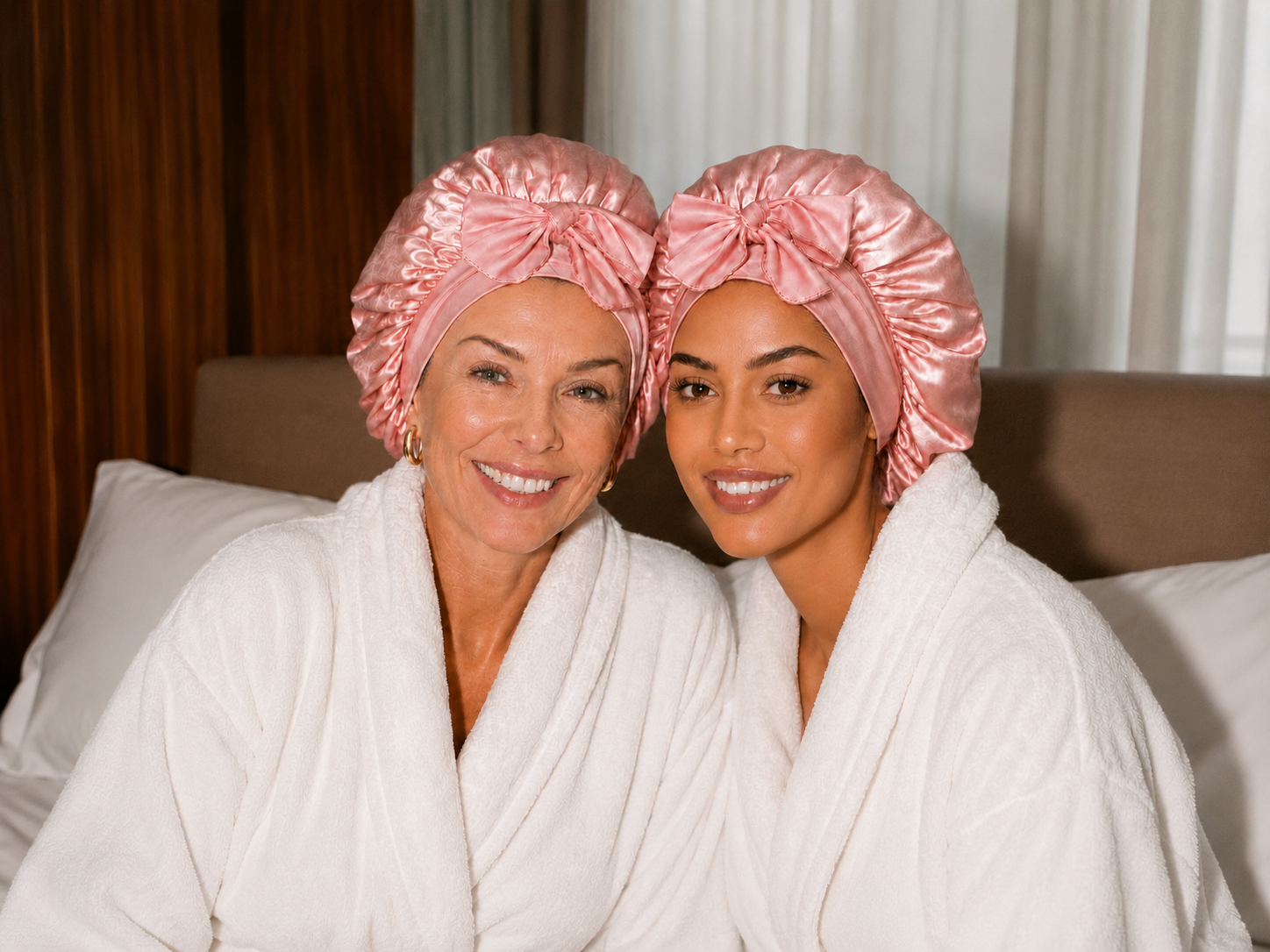
Fabric can rescue or worsen matters. Salon professionals in London often recommend a satin sleep bonnet for overnight protection because it reduces friction, but not every smooth-looking band performs the same. Cheap satin-like blends and thin elastic backings still pinch and abrade. The location of use — pillow, clip, under a hat — changes what you need from the band; that small context matters.
Why silk scrunchies solve the core problem
Silk reduces friction; that’s simple and provable by touch. A wider silk scrunchie spreads pressure and eliminates single-point creases. The best ones use genuine mulberry silk, a soft inner fold, and a gentle elastic core that recovers without snapping hair. Choose silk that’s dense enough to glide, not slick enough to slide off every time you look sideways.
Common mistakes and how to avoid them
Buying by color, not construction: avoid scarves of polyester mislabeled as silk. Washing like cotton: hand-wash or use a delicate bag to preserve the fiber and elastic. Tying too tight: one complete loop for most ponytails; two loose loops for control without cuticle stress. Wearing on wet hair: damp hair stretches; dry or nearly dry is safer. Confusing satin and silk: satin is a weave; silk is a fiber — both have roles, but authentic silk performs differently.
Simple routines that change the outcome
Ponytail — place at the base you want, wrap once firmly, then tuck the short tail into the fold; that relieves tension. Bun — twist lightly, coil over the scrunchie, and smooth the outer layer by hand to avoid knots. Loose styles — slide the scrunchie up the length and then release so the fabric cushions the fall; no repeated adjustments. Small adjustments, done consistently, stop the slow damage.
The honest comparison you need
Satin alternatives protect while sleeping but can slip during the day; elastics hold but cut; coil bands avoid creases but can stretch hair. Silk scrunchies sit between protection and functionality: daytime hold, night-friendly touch, and an easy fix for most common styling errors. If you must pick one, choose construction over trend — wider silk, gentle core, secure stitching.
Last thread: what this resolves
You’ve followed the problem, watched the usual fixes fail, and learned direct moves that reduce breakage and maintain style. The solution isn’t dramatic; it’s consistent: pick silk made to support, tie with restraint, and protect while you sleep. For quiet, reliable support that blends protection and style, consider the practical choices curated by yanibest.