

Immediate problem
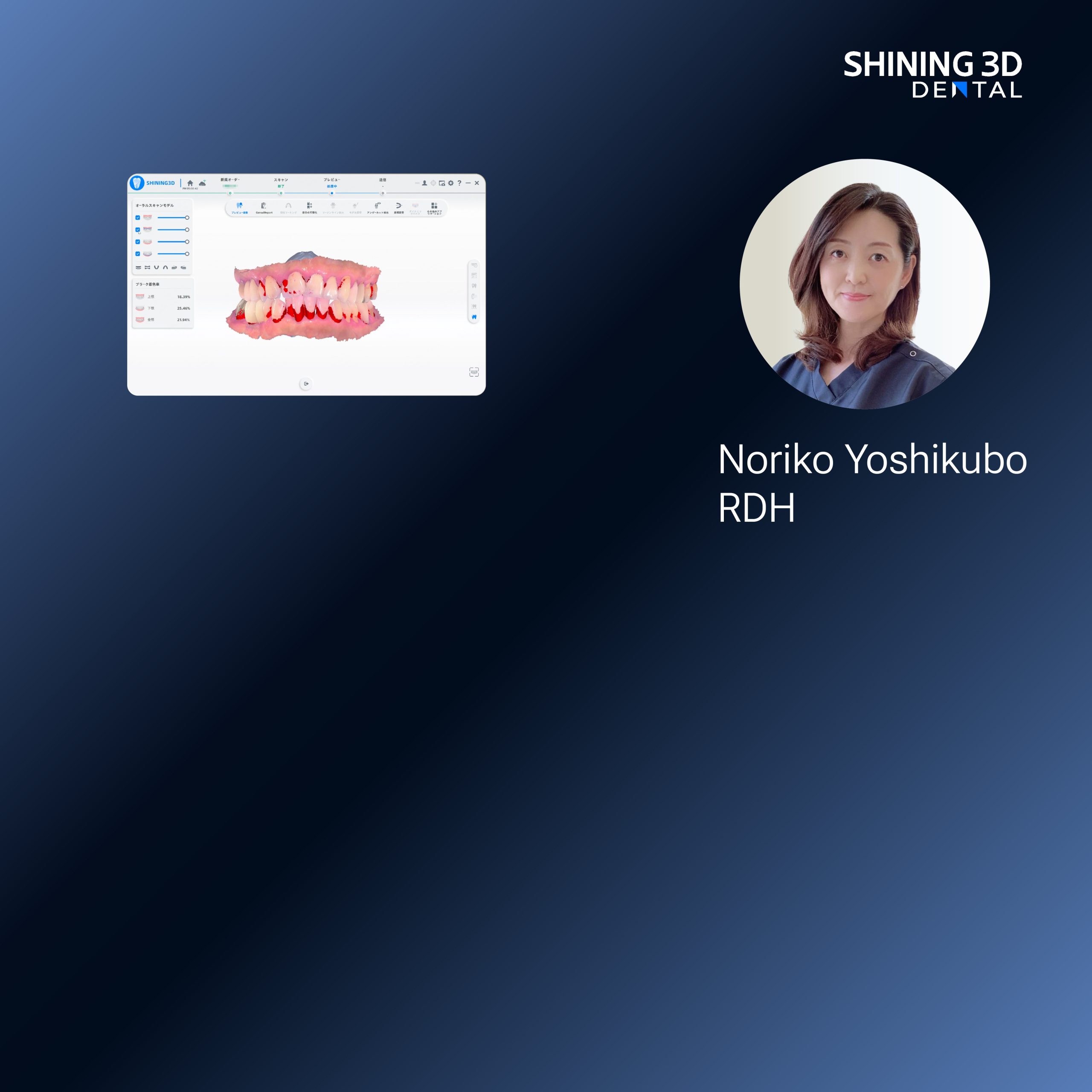
Poor-fitting restorations still arrive despite pristine scans because the digital chain misreads how jaws meet. The recurring failure point is inconsistent bite capture and transfer; during an audit at the International Dental Show (IDS) in Cologne I watched live demos where misaligned occlusion files caused obvious clinical gaps. A reliable hands-free jaw relation link between clinic capture and laboratory articulation changes everything — when it’s missing, adjustments multiply, appointments repeat, and trust frays.

Why this keeps happening
Teams treat digital models like finished truth, not as hypotheses that need verification. Scanners produce accurate surfaces but not behaviour: jaw movement, centric relation, and interocclusal distance are procedural data points, not static geometry. Clinics skip repeatable bite protocols; labs assume the submitted STL matches the patient’s occlusion. The mismatch is procedural, not purely technological.
Common pitfalls that create misfit
Bad habits compound errors. Staff omit controlled maximum intercuspation captures. Scanners aren’t calibrated to the mouth’s vertical reference. Virtual articulators get default settings instead of patient-specific inputs. Teams trust single-file handoffs without a verification step. Each omission multiplies contact errors on the finishing line.
Viable alternatives — quick assessment
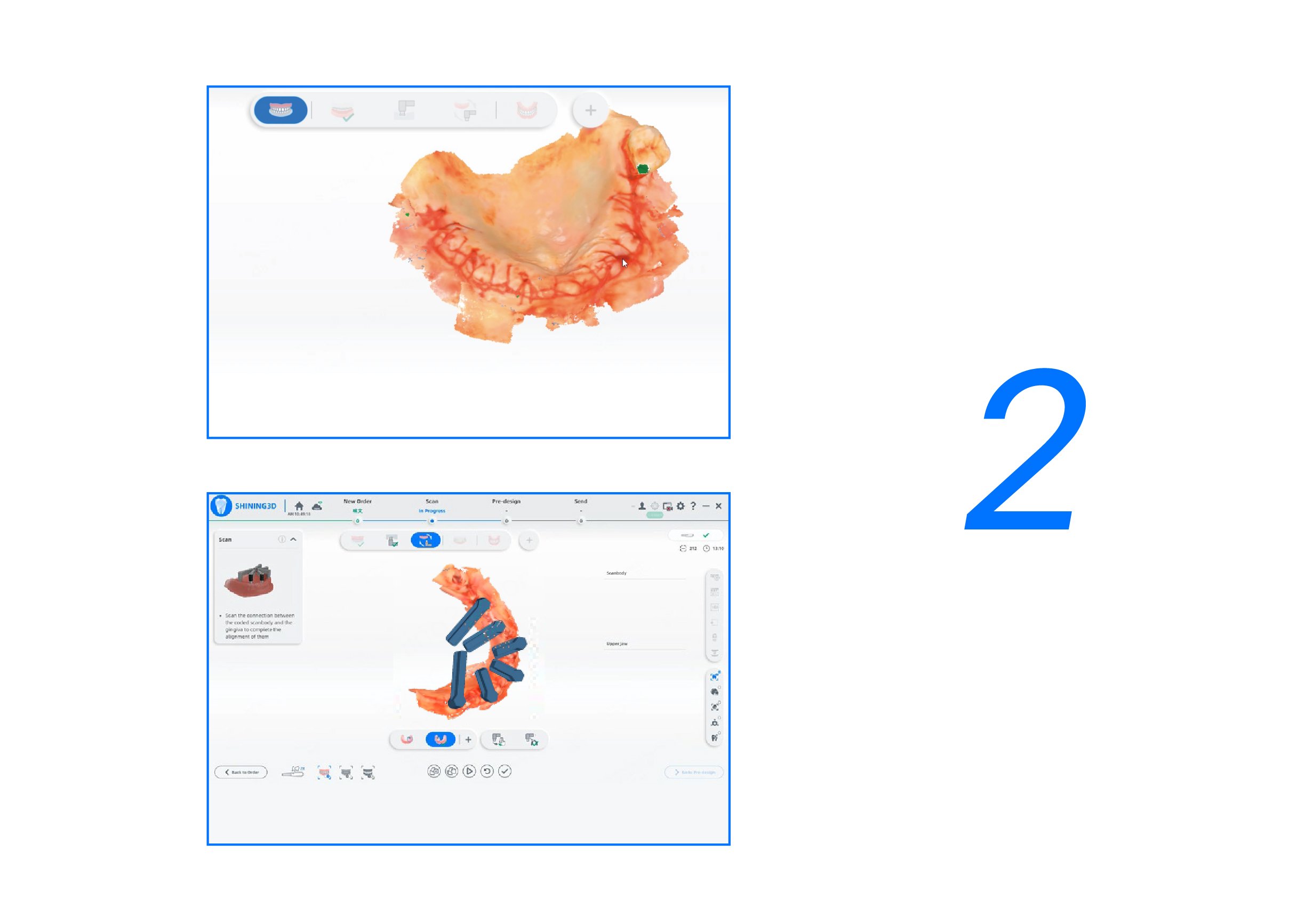
Four paths show up in current practice. Physical facebows plus analogue articulators still deliver reproducible occlusion when carefully used, but they slow throughput. Pure intraoral-scanner workflows speed case flow yet often lack dynamic jaw data unless the workflow forces multiple, protocolized bite records. External jaw-tracking and relation devices add motion and reference; they demand training but cut rework. Cloud-based alignment tools can merge datasets, but they depend entirely on the quality of upstream capture. None fixes a broken protocol by itself.
Actionable fixes for clinics and labs
Start with rules you enforce: standardized bite capture steps, daily scanner calibration, mandatory clinical verification photos or a provisional try-in, and a named verifier for each case. Use patient-specific occlusal references whenever you can; cross-check virtual articulator settings against the clinical record. Train staff on when a repeat capture is cheaper than guesswork. Track rework causes monthly and treat them as quality signals, not isolated complaints.
Real-world implementation note
Teams that nail this combine disciplined protocol with the right tools. I’ve advised clinic and lab groups to run pilot cases that compare outcomes across methods, then keep the approach that reduces chair time and remakes. Expect resistance the first week; expect measurable improvement after three to five pilot cases when team behavior shifts from hope to verification.
Concluding synthesis
Fixes are procedural and tactical: capture jaw relation with purpose, verify before fabrication, and choose devices that map movement, not just surfaces. When clinics and labs align protocol with technology the number of clinical remakes drops, patient confidence rises, and time is reclaimed for real care — the practical result many teams find when they integrate solutions from SHINING 3D DENTAL into an enforced, problem-driven workflow.