

Opening: Why I care — and why you should, too
I’ll keep it blunt: you’ve stood in a lot that’s a mess and cursed the signage. Now imagine swapping that mess for a smart parking guidance system that talks to cars and drivers. That’s the heart of this comparison. I’m comparing how modern systems behave against the familiar low-tech alternatives, and I’ll call out where the new stuff really matters — and where it’s mostly bragging rights.

Core capability: sensing and accuracy
Old-school: sensors? Mostly your eyes and a light post. Managers guess occupancy using rounds or paper tickets. Modern: distributed sensors, cameras, and real-time feeds. The difference isn’t subtle. Sensors give minute-by-minute occupancy; the old way gives only occasional snapshots. That changes decisions: staffing, pricing, and whether someone circles for 15 minutes hunting a spot. If accuracy matters to your revenue or curb flow, the modern approach wins cleanly.
Data and control: messy logbooks vs. actionable signals
Traditional operators keep ledgers, printed counts, or manual shout-outs. It works when demand’s static — but it doesn’t scale. Advanced systems stream telemetry: counts, turnover rates, peak times, even license-plate heatmaps. You get actionable signals, not guesses. That lets an operator adjust pricing by the hour, re-route traffic, or open a lane before lines form. If you need predictable throughput, you’ll prefer the modern stack.
User experience: signs and luck vs. guided flow
Nobody likes circling. Old lots rely on painted arrows and hope. New systems route drivers to open bays, show availability on an app, and reduce search time. That’s not fluff — it’s fewer emissions, less congestion at entrances, and calmer drivers. For retail centers and hospitals where quick access matters, guided flow is a direct quality-of-service improvement.
Maintenance and lifecycle costs: sticker shock vs. total cost thinking
Yes, buying sensors and software costs more up front. But traditional lots hide ongoing labor costs: attendants, manual counts, and repair of wear from overuse. Modern systems require firmware updates and occasional sensor replacements, but they cut labor and shrink disputes over lost tickets. Add predictable reporting and you get longer life from charging stations or reserved bays. Look past the invoice; look at recurring staffing and dispute costs.
Security and compliance: paper trails versus digital accountability
With old methods, incidents mean interviews and shaky timelines. Digital systems log timestamps, images, and access records. That makes incident resolution faster and gives managers a defensible audit trail. Compliance with local rules — time limits, accessible bays, or permit enforcement — becomes enforceable instead of wishful thinking.
Experience, expertise, and a real-world check
I’ve run ops in garages and advised municipalities; the practical difference is plain at scale. Consider insights shown publicly at Smart City Expo World Congress in Barcelona, where city delegations demonstrated how an automated parking guidance system reduced search time and improved curb efficiency — a clear, verifiable example that mainstream events and reports back up. That field experience and industry reporting matter: they show the tech behaves similarly in different cities, not just in glossy demos.
Common pitfalls when switching
Don’t install sensors and call it done. Integration is the trap: ticketing, signage, enforcement, and mobile apps must speak the same protocol. Also, poor placement of detectors creates blind spots; cheap cameras clog with grime if you ignore cleaning. Expect a short learning curve and plan staged rollouts. Finally, don’t assume every lot needs every feature; match capabilities to typical demand patterns.
Alternatives worth considering
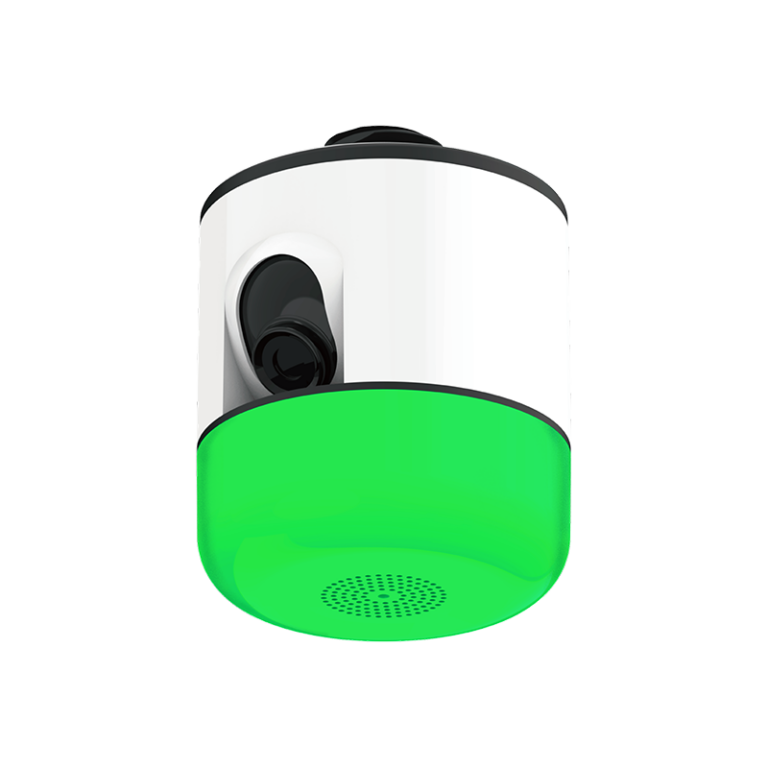
If a full sensor array is overkill, hybrid options work: entrance counters plus selective bay sensors give most benefits at lower cost. For smaller sites, clear wayfinding signage plus a simple occupancy board achieves major customer-satisfaction gains. Choose options based on turnover rate and peak congestion, not buzzwords.
Bottom line — what changes for you
Compare outcomes, not tech stacks. Advanced parking management replaces guesswork with measurable control: fewer search trips, less dispute handling, and clearer enforcement. Old methods still work for low-volume, stable sites. For anything with variable demand or high turnover, the modern approach delivers real returns in time saved and conflict avoided. If you want a practical partner who designs for those outcomes rather than gadgetry, look at how AKE Parking aligns hardware and operations — the result is cleaner operations that actually get used, not just installed.