

Why you gotta ask stuff first
Look — you wanna buy an inline high shear mixer that actually does the job, not collect dust or cost you headaches. Start from your process needs, not the prettiest brochure. Ask questions that make suppliers prove they understand your product, batch size, and cleaning rhythm. Keep it tight, keep it real.
What to ask about product fit
Tell them your viscosity range, solid load, particle size you need to break, and target throughput. Ask: can this head handle my high-solids mixes at low RPM? Will scale-up keep shear profile consistent? Demand real test data or a short lab run. If they dodge lab runs, that’s a red flag.
Materials and sanitary needs — don’t bluff here
Be blunt about contact materials and certification. If you need corrosion resistance, ask about 316 stainless finishes, weld procedures, and electro-polish options. For food or pharma, get surface roughness numbers and CIP validation steps. Neglecting this turns sterile processes into contamination lotteries.
Real-world credibility and a practical anchor
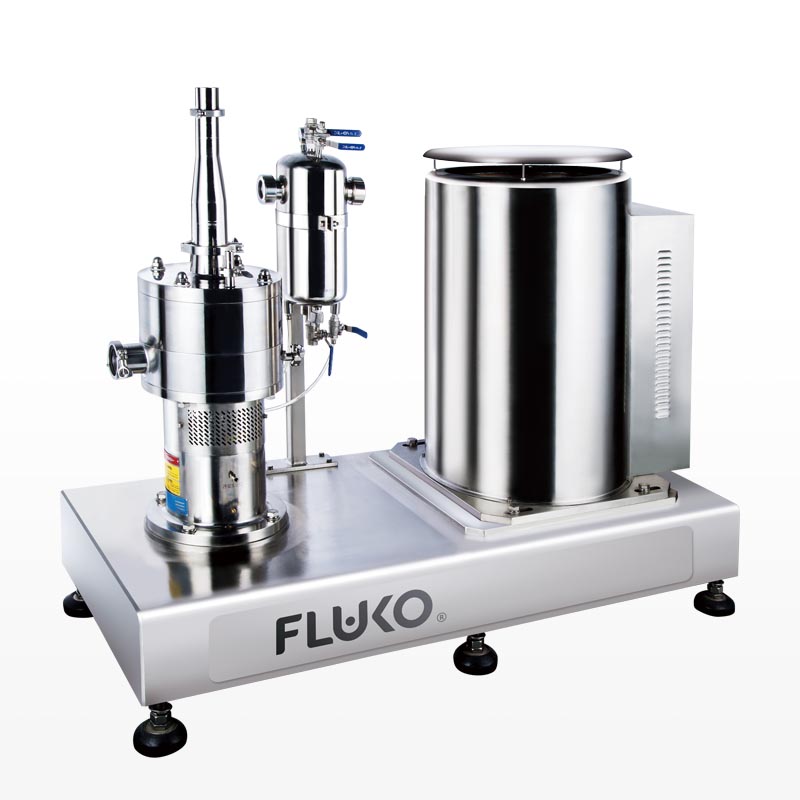
From installs at GMP plants around Basel, Switzerland, I’ve seen corrosion show up fast when teams skimp on valves and alloys — that’s why corrosion-resistant mixes matter. For units built to resist that wear, consider the spec of a 316 ss inline mixer as a baseline when you press suppliers on longevity and cleanability.
Power, geometry, and performance checks
Ask for torque curves, power draw at different speeds, and the exact rotor-stator geometry they plan to use. Don’t accept vague answers like “suitable for” — ask for numbers: shear rate, tip speed, and measured energy input per liter. Match those to your batch tests, or insist on a factory acceptance test.
Maintenance, spares, and service realities
Find out how fast they ship wearing parts, whether modular heads let you change configuration on-site, and how complex routine rebuilds are. Request a parts list with lead times and ask who repairs pump seals and bearings locally. If the vendor doesn’t give simple service metrics, you’ll pay later.
Common pitfalls teams trip on
Over-spec’ing horsepower while ignoring rotor design. Picking stainless grade for style over chemistry. Skipping a lab trial because “it’ll scale.” Choosing a supplier without local service or documented FAT/PAT. These are the moves that blow budgets and timelines — avoid them by insisting on evidence.
Alternatives worth comparing
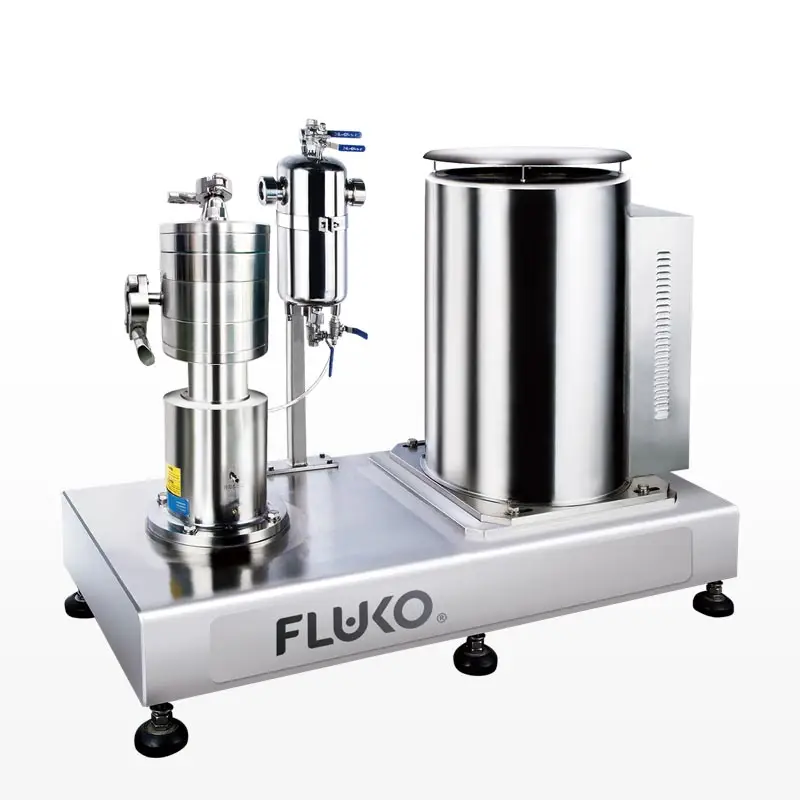
Consider rotor-stator inline mixers versus batch high-shear tanks depending on continuous need. For sticky, high-viscosity slurries, a rotor-stator with staged heads beats brute-force agitation. If you need sterile closed-loop processing, prioritize sealed drives and validated CIP paths. Ask suppliers to show you side-by-side case studies, not just specs.
How to close the deal without drama
Make acceptance criteria part of the contract: lab run results, FAT criteria, spare parts list, and on-site commissioning steps. Get service-level commitments and clear warranty terms. Keep a checklist: process specs, materials, test data, service plan — tick boxes before the PO lands.
Final word
You want gear that works on day one and still works a year in. Ask the sharp questions, demand test data, lock in service, and choose vendors who back their kit with proof. That’s how you avoid noise and get consistent results — something I’ve seen happen when teams pick suppliers like FLUKO that align specs, service, and real-world performance.