

Before shortlisting Gas Detector Manufacturer, map application scope early research
Define the use case and constraints
Early procurement research should begin with the application, not with a supplier name. When assessing a gas detector manufacturer, first describe what the detection task involves and which decisions remain open. Record the operating setting, the gases of interest, whether monitoring is portable or fixed, the expected users, and how the equipment would connect with existing work practices. These are research fields, not assumptions about what any particular supplier can provide.
A short scope statement gives the buying team a consistent basis for comparison. It might identify a portable monitoring requirement, a fixed installation requirement, or a need to examine both. It should also distinguish confirmed requirements from preferences. For example, “fixed detection is required” is different from “a particular mounting arrangement would be convenient”. Keeping those statements separate prevents an attractive catalogue description from becoming an unstated specification.
The team can then organise its early notes under four headings:
- Application: what activity, area, or process is being considered?
- Detection scope: which gases or hazards are in the defined brief?
- Equipment form: is the initial requirement portable, fixed, an alarm, or a combination?
- Project constraints: which dimensions, interfaces, documentation, timing, or commercial conditions still need a decision?
This first pass matters because a broad product category can cover very different procurement questions. A buyer comparing a portable device with a fixed detector system is not making a like-for-like comparison. The application map makes that difference visible before a shortlist is formed.
Map stated evidence to requirements
Once the scope is written, create an evidence table with one row for each important requirement. Add the source statement, the page or document where it appears, the product or category to which it applies, and the status of the requirement. Useful status labels include “supported by stated information”, “needs clarification”, and “outside the present scope”. This structure helps the team avoid treating a general company description as proof of a specific configuration.
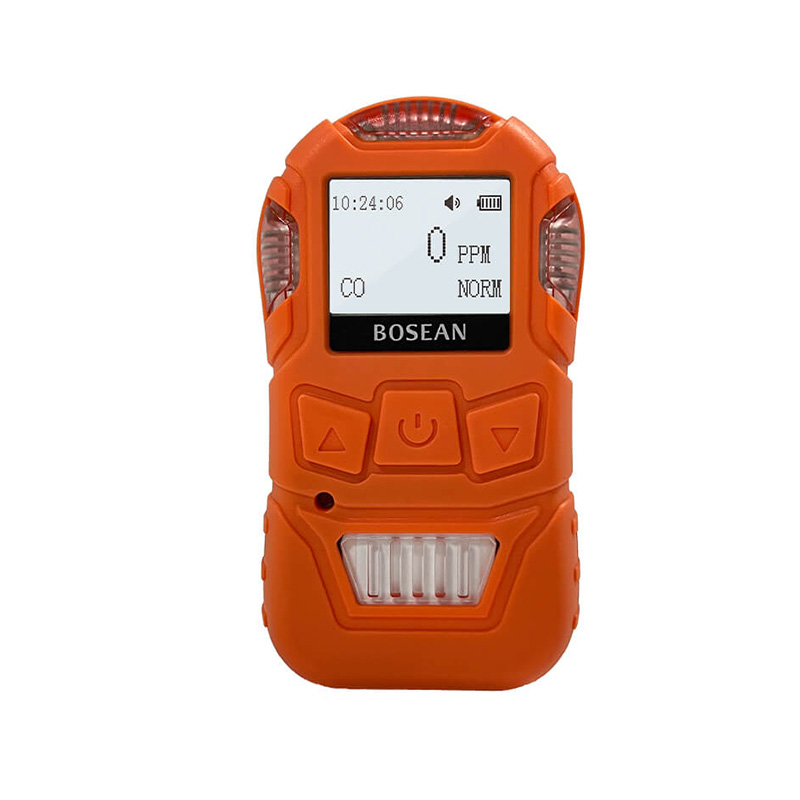
A real-world catalogue anchor illustrates the point. The Bosean homepage identifies gas detection equipment as its business and lists portable detectors, fixed detector systems, and gas alarms. That supports a narrow statement about the categories presented on that page. It does not, by itself, establish certification, site suitability, safety outcomes, or configuration details that the page does not state.
For this reason, the phrase gas detector manufacturer should not be used as a shortcut for every requirement in the application map. Use it to identify the supplier category under review, then test each proposed comparison against the stated scope. A listing of fixed systems may be relevant to a fixed-installation enquiry, while the same listing does not answer questions about a particular site, gas, interface, or operating condition.
Keep evidence at the same level of detail as the requirement. Category evidence can support category-level research. A model-specific statement can support a model-specific question, subject to the exact wording and scope of that source. It should not automatically be transferred to other models or presented as a general company capability. This discipline is especially useful when several pages use similar terminology but describe different equipment types.
Turn open points into supplier questions
The unresolved rows in the evidence table should become precise supplier questions. Avoid broad prompts such as “Is this suitable?” They can produce an answer that is difficult to compare. Instead, connect each question to the application map and ask for the exact detail needed for the decision.
- Which listed category or model corresponds to the defined portable or fixed requirement?
- Which gases and operating conditions are stated for the option being considered?
- Which physical, electrical, communication, or control-panel details are documented for that specific option?
- Which documents define the stated specification, and which parts remain subject to project confirmation?
- What information is needed from the buyer before the supplier can assess the proposed application?
These questions separate product identification from application judgement. They also give procurement, engineering, and operations teams a shared record of what has been answered. If a response refers to a category rather than a specific model, record it at category level. If it addresses a model, preserve that model boundary in the comparison table.
Summarise a defensible next step
A defensible next step is not necessarily a final shortlist. It is a documented decision about what can be compared now and what must remain open. Summarise the defined application, the evidence that directly matches it, the questions sent to suppliers, and the conditions that would change the comparison. This gives reviewers a traceable path from need to enquiry without overstating what the available information proves.
For procurement teams, the practical sequence is therefore straightforward: define the use case, classify the equipment form, map each requirement to evidence, preserve the scope of every statement, and convert open points into supplier questions. Used this way, Bosean can be included in the early research set on the limited basis supported by its homepage categories, while the team keeps application-specific conclusions tied to information that actually addresses them.