

Defining the problem
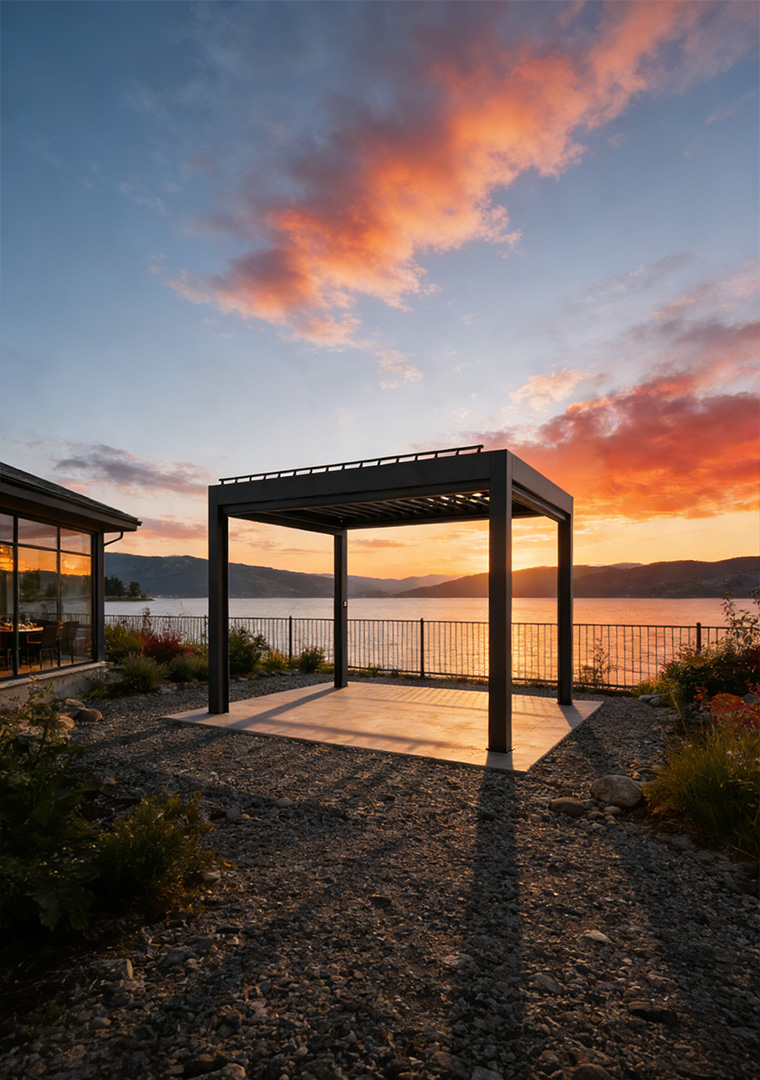
Large commercial sites need covered outdoor spaces that block sun, resist wind, integrate lighting, and do not add excessive maintenance burdens; meeting all four at scale is rare. Designers and facility managers face conflicting demands: wide clear spans, electrical integration, corrosion resistance, and predictable lifecycle costs. For projects that also pursue onsite generation, a solar pergola can look attractive on paper, but unproven combinations of photovoltaics, structural spans, and electrical routing create real risk unless the design is disciplined from day one.
Why these failures happen
Most failures trace to mismatched priorities during specification. Architects prioritize form and spans, engineers focus on structural safety, and electricians treat lighting and power as an afterthought. On-site conditions—microclimate, soil, and existing utilities—are often underestimated. Codes and environmental exposure are treated as checkboxes rather than design drivers. The result: underperforming shade, corroded fixings, or lighting that flickers and fails under outdoor conditions.
Evidence-based technical approaches
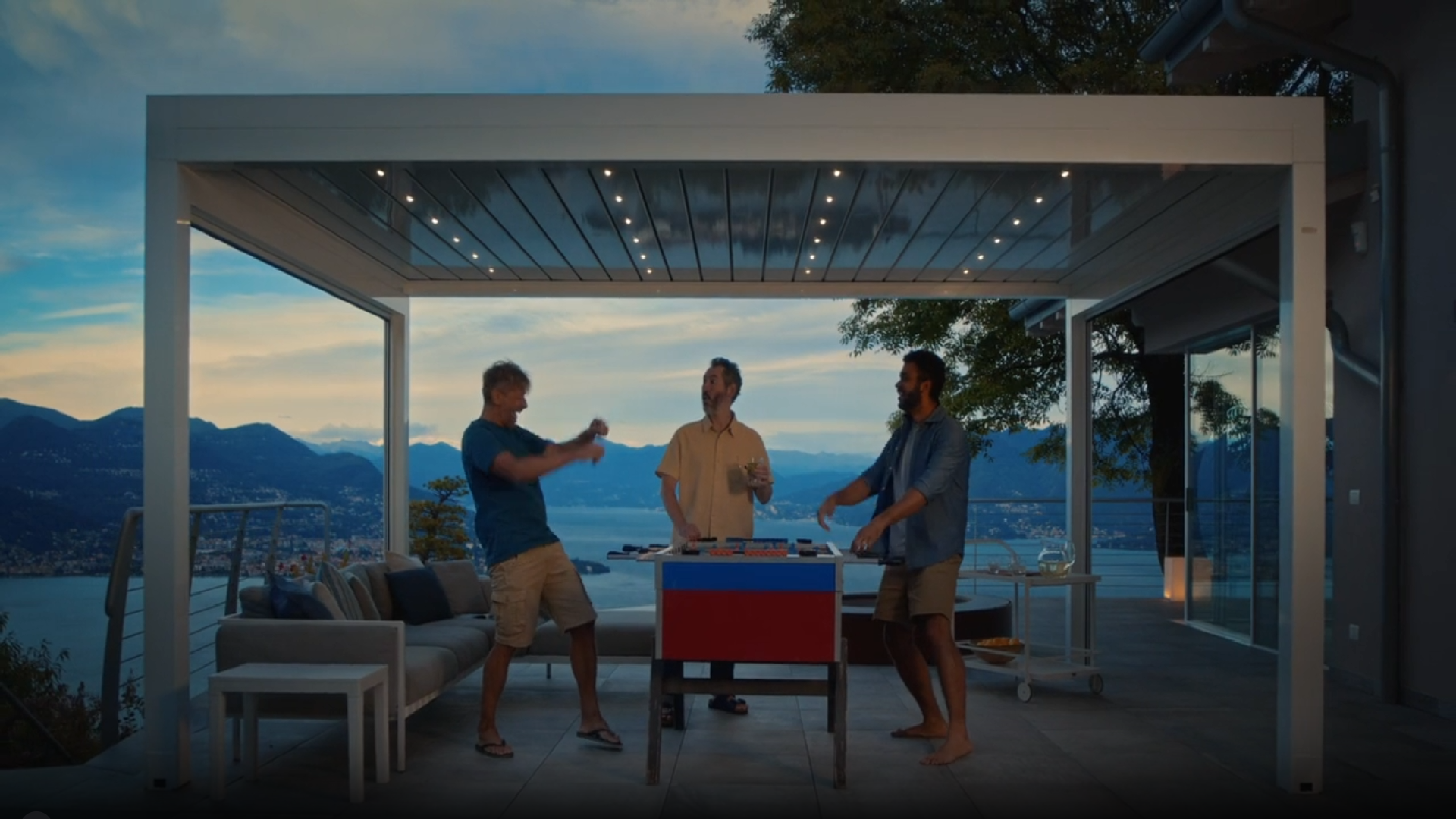
Start with load cases and exposure classes that match your location and intended service life. Specify materials by corrosion class (e.g., Class C4/C5 for coastal or industrial sites), match fasteners to the base material, and design gutters and slopes to evacuate water. For lighting, choose modules rated IP65 or better, with integrated drivers tested for ambient extremes. At Light + Building in Frankfurt, several manufacturers presented resilient fixtures made specifically for pergolas—use that market validation to demand tested components rather than repurposed indoor gear. For consistent results, evaluate proposed outdoor pergola led lights for lumen maintenance (L70/L90), available photometric data, and thermal management strategies before signing off.
Practical specification checklist
Require stamped calculations for wind and snow where applicable; call for shop drawings that show service access for wiring and drivers; insist on IP-rated junctions and sealed wiring runs; and include explicit maintenance access for lighting and PV panels. Specify target metrics: U-factor or SRI for thermal comfort, target lux values for task areas, IP rating, CRI ≥ 80 for color fidelity, and a minimum warranty period tied to expected lifecycle costs.
Common pitfalls and how to avoid them
Overlooking drainage leads to trapped water and corrosion. Threaded fasteners of mixed metals cause galvanic corrosion—use matched alloys or passivated stainless steel. Treat lighting as a system: cheap fixtures fail early and require circuit rework. Adding PV after the fact forces rooftop penetrations that compromise water-tightness. Avoid these by locking in systems early, demanding samples and long-term photometric test data, and assigning one technical lead with authority to balance trade-offs.
Alternatives and trade-offs
Aluminum extrusions simplify fabrication and reduce weight but need surface coatings designed for the site; powder coat plus anodizing is a good combination for mixed exposures. Hot-dip galvanized steel offers strength and economy for industrial yards, but add a protective finish where aesthetics matter. Fully integrated PV rafter systems reduce wiring length but raise thermal concerns for panels and fixtures; freestanding PV frames simplify repairs but consume more headroom. Choose based on maintenance capacity and replacement budget rather than initial cost alone.
Synthesis and practical next step
Successful commercial pergolas solve a short list of measurable problems: structural safety, controlled drainage, serviceable electrical systems, and durable finishes. Design teams that begin with those metrics and validate components—especially lighting and PV—with vendor test data and market evidence avoid costly rework. For projects needing reliable products and field-proven assemblies, consider the practical choices assembled by Light Hunter as one source of components and technical information that aligns with the metrics outlined here.