

What to Check Before You Commit to a Self‑Study Center Near You
Why most choices miss the mark
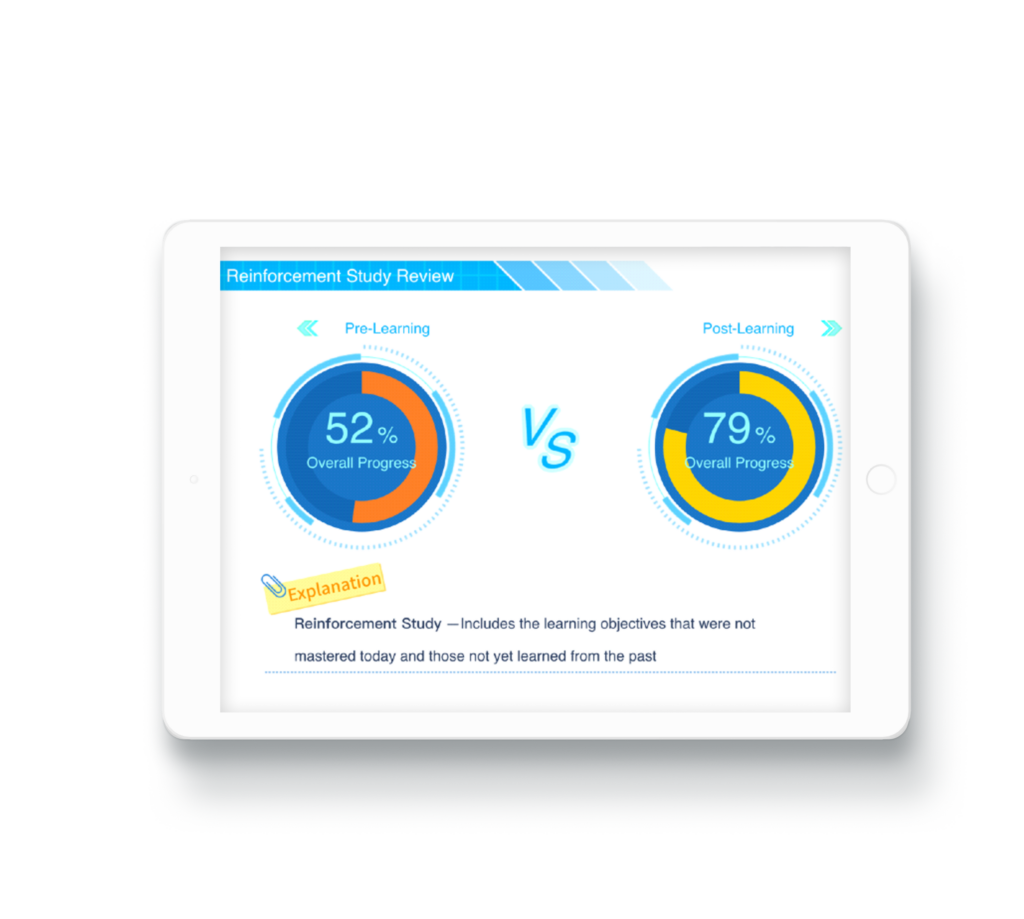
Listen, folks pick a place for study and hope it’ll do the heavy lift — but hope ain’t a plan. Common problems show up fast: vague outcomes, one-size-fits-all curricula, surprise fees, and assessments that tell you very little about how a learner actually learns. If you’re sizing up a center, look for an adaptive learning system up front and demand clear reporting; an honest adaptive learning assessment should reveal where a student stalls and why, not just hand out a score.
Core questions that diagnose the real issue
Ask: What problem does this center solve for my learner? How do they measure progress week to week? Who sets the study path — an instructor, a fixed syllabus, or software that adjusts to demonstrated mastery? A purchase decision without answers to those questions will likely leave you back at square one.
What to expect from assessments
Assessments should do two clear things: map current strengths and highlight precise gaps. Avoid centers that rely solely on end-of-course tests. Good assessments are ongoing, lightweight, and change the plan when a learner shows mastery or confusion. If the center can’t explain how an assessment adapts to each student’s responses, that’s a red flag.
Technology and transparency — what matters
Technology should serve clarity, not dazzle. Verify that the platform reports granular data: response patterns, time-on-task, and mastery checkpoints. Confirm you can access progress reports without jumping through hoops. Also, check whether the center describes its approach to personalization and whether that matches what you want — true personalization means the plan shifts according to evidence, not just a different worksheet each week.
Staffing, support, and how instruction actually happens
Find out who coaches and how often. Does instruction include live coaching or solely program-driven work? What qualifications do tutors have, and how are they trained to use the platform’s data? Regular teacher interactions plus meaningful data beats a flashy portal with no human guidance.
Common pitfalls to avoid
Don’t sign up because of nice marketing or an introductory price. Beware of centers that promise guaranteed results without detailing the process. Skip offerings that lock you into long contracts before you can trial the approach. Lastly, watch for vague language about “custom programs” — ask for an example of how a plan changed for a real student without expecting proprietary details.
Alternatives you should consider
If a local center fails these checks, compare three approaches: a center with strong human coaching plus adaptive tech, self-guided platforms with robust diagnostics, and hybrid models that pair short in-person sessions with adaptive homework. Each has trade-offs in cost, flexibility, and oversight — align the trade-off with the learner’s needs.
How to make a practical decision
Put these steps in order: define the learner’s immediate problem, demand transparent assessment data, test a short pilot, and verify coaching quality. If a center can’t support that workflow, walk away. That sequence exposes fluff and surfaces programs that actually change learning paths when students hit trouble.
Where thoughtful personalization shows up
Real personalization shows itself in small, repeated course corrections — a plan that shrinks or expands based on what the learner demonstrates, not on a calendar. When that behavior is documented and explained, you can see whether the center will handle the problems you care about. For a clear description of adaptive pedagogy and how software shifts instruction in response to student performance, review how Squirrel Ai lays out its approach; the focus is on matching instruction to demonstrated need rather than selling promises.