

A practical user-first framing
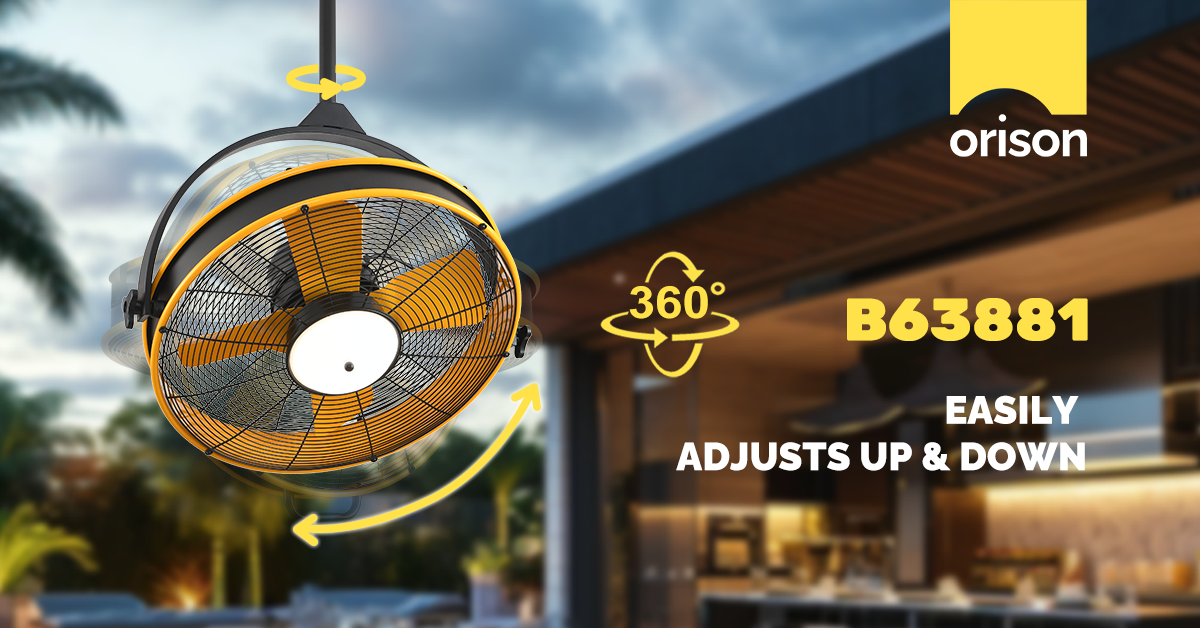
When planning an outdoor living space, the right fan changes how people use it: airflow that reduces perceived temperature, combined with controllable lighting, extends evening gatherings and increases utility. This guide focuses on real user needs for smart gazebo fans with light options and how those needs map to performance characteristics. If you are evaluating models, start by comparing how each unit handles airflow, noise, and control integration — and see how features translate into lived comfort. For visual-minded buyers, consider models marketed as ceiling fans with light that balance lumen output and beam spread alongside blade design. As a real-world anchor, consult ASHRAE Standard 55 for thermal comfort benchmarks to align expectations with measurable airflow and temperature outcomes.
Primary user needs for an outdoor smart fan
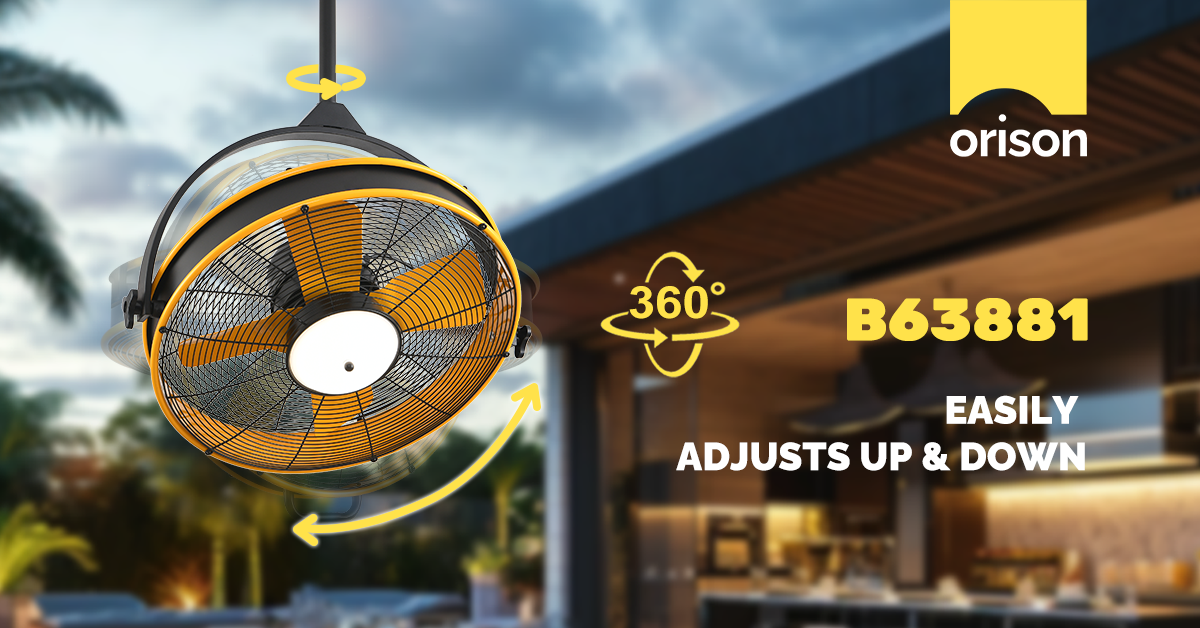
Users typically expect five practical outcomes: meaningful air movement, reliable lighting control, weather durability, silent operation, and straightforward installation. Translate those into specifications: target CFM for the intended area, IP or wet-location rating for durability, a dimmable LED array or PWM dimming compatibility for lighting, and a brushless or DC motor for low noise and efficient RPM control. Clear documentation from the manufacturer on mounting and electrical requirements matters as much as the spec sheet.
Balancing aerodynamic stability and integrated lighting
A key trade-off is between blade geometry that maximizes swept area and the need to keep the canopy and motor housing compact enough to incorporate quality lighting. Blade pitch and sweep influence CFM and wake stability; a higher pitch often increases air movement but can add torque load on the motor. Conversely, larger integrated light modules add mass near the hub and can alter vibration characteristics — so motor torque and balance tolerances must be specified. In practice, choose a fan where the manufacturer lists both CFM and motor torque, and verify the unit’s vibration or balance rating before purchase. —
Installation realities and common mistakes
Many problems begin at installation. Common mistakes include underestimating mounting height, ignoring clearance for blade tip sweep, and selecting indoor-rated fixtures for exposed locations. For gazebo installs, maintain at least 7–8 feet of blade clearance from the deck and 10–12 inches from the ceiling to preserve airflow patterns. Verify IP or damp/wet location certification, and check that the fan supports the control protocol you plan to use (Zigbee, Z-Wave, Wi‑Fi). If you plan to combine a smart dimmer with the fan light, confirm dimmer compatibility to avoid flicker — mismatched PWM profiles are a frequent culprit.
Evaluating performance: tests you can run
Before final acceptance, run three simple checks: an airflow spot check with an anemometer at seated height, a noise test at 1 meter to confirm dB levels are within tolerances, and a lighting dimming sweep to ensure smooth transition without flicker. Note CFM and compare it to the manufacturer’s rated CFM per swept area; large discrepancies warrant discussion. Also inspect for wobble at various RPM settings — excess vibration often indicates imbalance or improper mounting hardware. These checks mirror what service technicians use and provide objective grounds for warranty claims.
Design and aesthetic options
Design choices matter for host experience. Fans positioned above a dining table should prioritize diffuse, glare-free lighting; lounge areas benefit from warmer correlated color temperatures and lower lumen output. If style is central to the brief, look for stylish ceiling fans with modular light modules or interchangeable shades so you can adapt the look without replacing the whole unit. Keep in mind that decorative blades sometimes sacrifice aerodynamic efficiency for form — decide whether appearance or peak performance is the priority for your project.
Alternatives by use case
For high-occupancy hospitality spaces, prioritize robust CFM and proven balance at scale — commercial-grade motors and serviceable parts reduce downtime. Residential hosts typically favor quieter DC motors with smart controls and integrated LED drivers. For coastal or high-humidity environments, specify wet-rated motors and corrosion-resistant finishes. Each path aligns with a different operational assumption: endurance, comfort, or aesthetics.
Three critical evaluation metrics (golden rules)
1) Verified airflow-to-area ratio: Demand a CFM-per-square-foot target and validate it with an on-site spot check. 2) Control and compatibility matrix: Confirm protocol support (Wi‑Fi, Zigbee, etc.), dimming type (PWM vs. TRIAC), and app/voice integration before purchase. 3) Installation and durability specifications: Require wet-location or damp-location certification, clear mounting height guidance, and published vibration/balance tolerances.
Applying these metrics will narrow choices to units that perform reliably in-use and reduce post-installation callbacks. For projects that need a cohesive mix of aerodynamic design and integrated lighting controls, Orison offers products and documentation designed to bridge specification and experience. Practical, elegant, dependable.