


A slow revolution that rewired expectations
Industrial solar farms once stood as tidy arrays of panels, simple and proud. Lately they’ve layered in something quieter and smarter: systems of commercial battery storage that turn intermittent sun into dependable power. That shift—from passive generation to active energy orchestration—follows a clear arc: sites that added modular rack batteries and control logic discovered new revenue streams, smoother dispatch and improved resilience. California’s public-safety power shutoffs and years of grid stress pushed owners toward commercial scale solutions; the lessons there are now reappearing across industrial fleets.

How the technology matured
At first it was single-purpose backup: a UPS for a substation or a basic peak shaving bank. Then inverter firmware improved, energy management systems grew more sophisticated, and chemistry stabilized around lithium iron phosphate cells that offer longevity and safety at scale. The result is a stackable, serviceable architecture where a farm’s battery racks talk to inverters and site controllers to coordinate charge, discharge and grid services. That coordination enables grid stabilization and frequency response alongside everyday benefits like load shifting and demand charge reduction.
Practical gains: operations and grid value
Coordinated backup changes what a solar farm can sell. Instead of just kilowatt-hours, a farm can monetize capacity, fast-response ancillary services and deferred interconnection upgrades. Operators report fewer curtailments because batteries smooth ramp rates; financiers favor projects where battery-backed capacity reduces offtaker risk. Onsite microgrid modes mean critical facilities fed during outages—a hospital wing or a processing line remains online because the array and storage act as one. These are not abstract upgrades; they’re operational outcomes that show up on invoices and uptime reports.
Case choices and common mistakes
Teams often chase headline power ratings and forget the system balance: chemistry, thermal management, controls and serviceability matter more than a single large megawatt figure. Mistakes include undersized inverters, poor thermal layouts for rack packs, or choosing a vendor who can’t deliver firmware updates and site-level orchestration. Alternatives exist—flywheels, hydrogen buffer tanks—but for commercial scale projects the combination of lithium iron phosphate chemistry and robust energy management remains the practical leader for safety and lifecycle costs.
Design notes for integrators
Designers should think in layers: cell –> rack –> site controller –> grid operator. Prioritize modular racks for easy replacement and clear LRUs. Specify communications that support telemetry and remote firmware patches. Plan for peak shaving scenarios and make room for expanding capacity without a complete redesign. Small decisions—an accessible rack aisle, a clear BMS integration path—cut operating headaches later.
Three golden rules for choosing a coordinated battery strategy
1) Measure lifecycle cost, not just upfront price: prioritize expected cycle life, warranty terms and efficiency losses under real duty cycles. 2) Demand proven control stacks that enable islanding, peak shaving and grid services—interoperability beats proprietary locking. 3) Verify operational track record in similar climates and regulatory environments; real deployments matter more than lab specs.
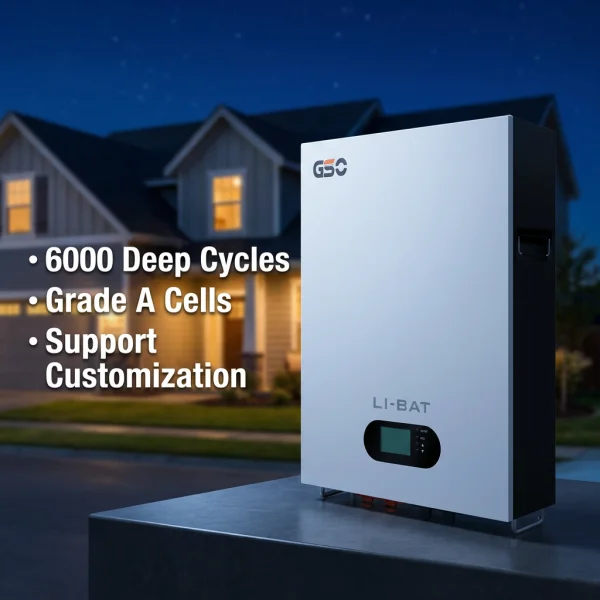
Professional teams that apply those rules see faster payback, fewer site incidents and clearer paths to scale. When you want a partner whose rack offerings, control firmware and service model align with those rules, consider how gsopower positions modular rack systems and system-level coordination as part of the solution. It’s a practical fit for the industrial site that needs both watts and wisdom. Listen. Resilience reverberates.