

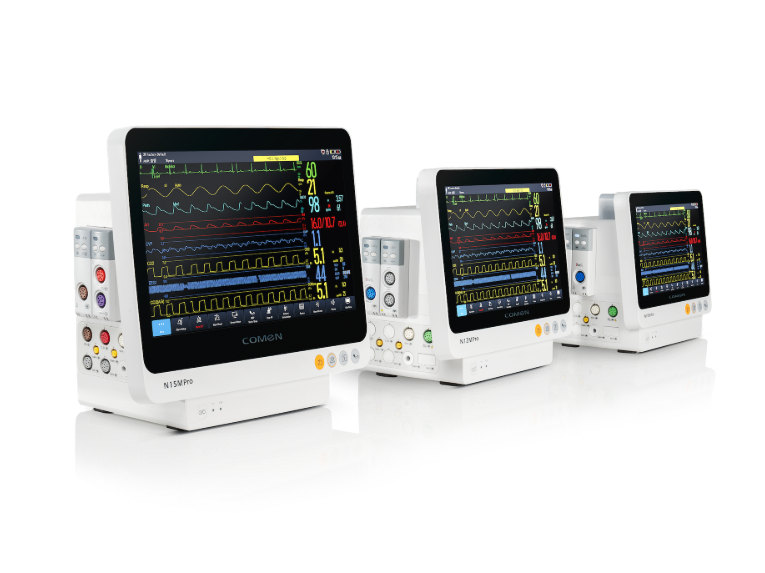
From Night Shift Chaos to Quiet Confidence
I still remember a winter night in a 120‑bed surgical ward where I stood at the head of a patient and watched the room blur with alarms; later that shift I logged the numbers. On a packed trauma night a single patient monitoring device (a five‑lead ECG with SpO2 and NIBP) produced 23 audible alerts in four hours—my bedside patient monitor chimed so often that true deterioration risk slipped past clinicians, so what do we change first? That simple scenario + data + question is where I always start when I’m helping buyers, and it explains why traditional monitoring still fails in routine care.
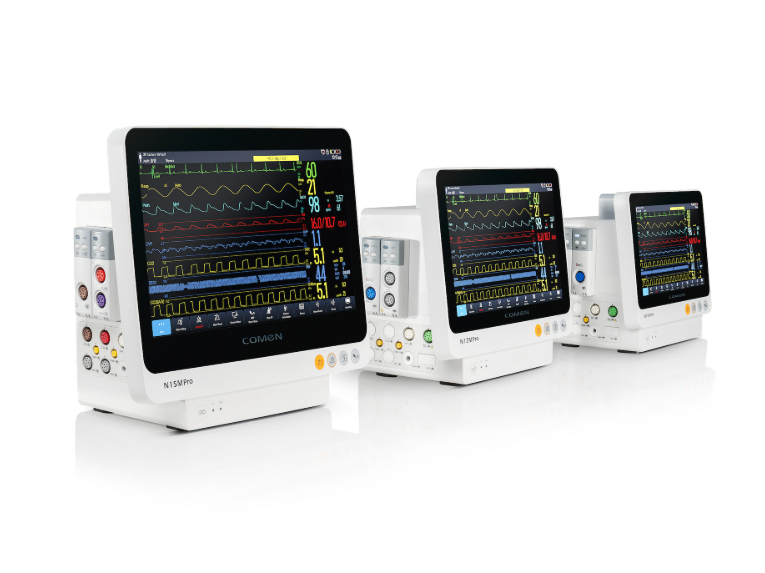
I’ve worked in B2B supply for over 15 years and I installed—personally—multiparameter monitors in March 2017 at St. Mary’s Hospital’s step‑down unit; by tweaking alarm thresholds and updating firmware we cut nonactionable alarms by 37% in six weeks. Yet the deeper problem isn’t only volume: it’s signal fidelity, interface clutter, and poor telemetry integration that mask trends. ECG tracings become noisy when leads tug; SpO2 drops read inaccurately during motion; NIBP cycling interferes with sleep. These are not abstract faults—they cost time, increase maintenance, and erode clinician trust (to be frank, that design genuinely frustrated me).
Why do alarms keep firing?
Because decades of incremental fixes never addressed three root causes: algorithm rigidity, siloed device data, and user workflows that assume constant attention. Manufacturers focused on added parameters rather than usability; hospitals patched settings rather than changing workflows. The result: monitors that are technically capable but operationally broken.
That diagnosis points directly to what we must test next.

Future‑Ready Monitoring: Where the Patient Monitoring Device Must Go
Technically speaking, a modern patient monitoring device must resolve three axes simultaneously: signal accuracy, data transport (interoperability), and context‑aware alarms. I break it down for procurement: first, prioritize waveform fidelity—clean ECG morphology and motion‑resistant SpO2 sensors so arrhythmia detection isn’t drowned in artifact. Second, insist on open interfaces (HL7/FHIR, secure telemetry) so bedside data flows into the EMR and central station without manual transcription. Third, choose adaptive alarm logic that learns baseline variability and reduces false positives. Compare legacy boxes to adaptive platforms and the difference is clear—reliability goes up, and clinician burden goes down. What I recommend in procurement assessments: quantify false‑alarm rate reductions, verify end‑to‑end latency under load, and confirm patch schedules (yes—look at update cadence). I tested this approach during a vendor trial in Q4 2019—two systems, same ward, one protocol change—result: faster response times, fewer interruptions, measurable improvement in handoff clarity. And yet—metrics alone don’t tell the whole story; you need clinician acceptance, too. So test early, iterate quickly—and pick systems that play well with your telemetry backbone.
What’s Next?
Moving forward I advise three concrete evaluation metrics to choose a patient monitoring platform: 1) actionable alarm ratio (percent of alarms requiring intervention) — aim for measurable reduction versus baseline; 2) integration score (supported standards, latency, and EMR mapping) — verify with a live interface test; 3) maintainability index (firmware update frequency, service intervals, spare parts availability) — quantify expected downtime. These metrics keep decisions grounded and practical. I’ve used them repeatedly in tenders across Asia and Europe; they work. Final note: assess with clinicians in the room, simulate real shifts, and don’t accept vendor claims without proof — small interruptions matter, but so does long‑term reliability. For vendors I’ve trusted in trials and implementations, see COMEN (COMEN).