

Opening: problem statement and context
Household electricity is opaque; people cannot see what flows, when, and why. This is the problem that forces waste, surprise bills, and poor decisions. A home energy management system addresses this by making consumption measurable and actionable. For households with on-site generation and storage, coordination between the controller and a hybrid inverter is central. Practical experience shows this: in California, widespread rooftop solar has highlighted the need for smarter home control to keep supply and demand balanced. I have overseen multiple residential installations and monitored performance trends, so the guidance below comes from field practice rather than theory. When your setup includes a hybrid solar power system, visibility becomes possible and control becomes precise.
The specific problems households face
Households confront a short list of repeatable issues:- No live view: meters often report only totals, not device-level flows.- Poor coordination: solar generation, battery charging, and appliance use run without synchronization.- Cost blindspots: time-of-use tariffs and feed-in rates are not visible to occupants.- Reactive control: decisions happen after the fact, not before peaks form.These are operational faults, not mysteries. A problem-driven approach asks: what must be fixed first? Visibility, then control.
How a HEMS fixes visibility first, then control
Fix visibility: a HEMS collects meter, inverter, and battery data in real time and presents clear dashboards. You see generation, import, export, and per-device consumption. Fix control: the same HEMS issues commands—shift EV charging, delay washing cycles, change battery charge thresholds—so household behavior aligns with goals (cost reduction, self-consumption, or grid support). The order matters: control without measurement is guessing; measurement without control is useless.
Key functions to demand from a HEMS
Look for these concrete capabilities:- Real-time power flow: grid, PV, battery, and main circuits shown in watts.- Device tagging or circuit-level sensing: identify big loads quickly.- Tariff and forecast integration: schedule automatically around price signals and short-term weather forecasts.- Battery management tied to the inverter: set charge/discharge priorities and limits.- Remote rules and local override: let the house act autonomously but allow owner intervention.Each function serves a clear problem. If a feature does not directly resolve one of the problems above, skip it.
How HEMS coordinates with hybrid inverters and storage
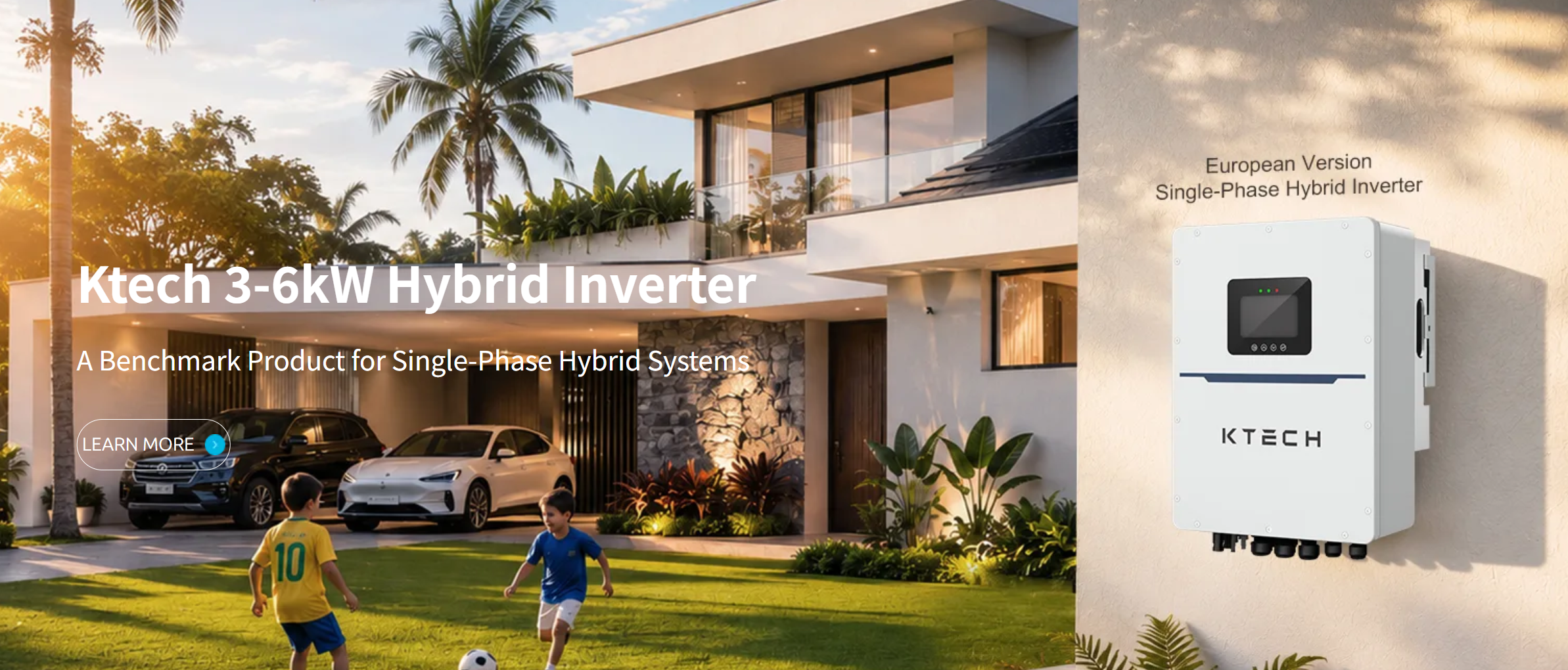
Coordination is technical but straightforward. The HEMS issues setpoints: charge battery now, hold export, or discharge at evening peak. The hybrid inverter executes those setpoints while maintaining safety and grid requirements. Good systems use published protocols and tested drivers. Expect to configure: battery SOC targets, export caps, and priority order (for example: household load → EV → battery charging). This coordination reduces unnecessary export and increases self-consumption.
Common pitfalls and how to avoid them
Avoid these frequent mistakes:- Oversizing automation: complex rule trees that no one understands; keep automation simple and documented.- Ignoring firmware updates: compatibility issues often come from stale inverter or HEMS firmware.- Skipping a baseline audit: install without measurement and you won’t know if changes helped.- Poor UX: a system with data but confusing display will be unused.Solve each by starting with a short audit, choosing compatible components, and setting one clear objective for the first three months.
Alternatives and when to choose them
Not every home needs a full HEMS. Consider alternatives:- Smart plugs and sub-meters for targeted savings on a budget.- Time-dependent smart thermostats for heating-dominant homes.- Full HEMS when there is PV plus battery, or when time-of-use tariffs and EV charging matter.Choose based on complexity of needs: simple monitoring first, then scale to automated control if the data justifies it.
Practical rollout: step-by-step
Follow these steps for a pragmatic deployment:1) Baseline audit: one week of monitored consumption and production.2) Define objective: lower bill, maximize self-consumption, or backup readiness.3) Verify hybrid inverter compatibility and communication protocol.4) Install sensors, connect HEMS, and run the system in monitor-only for two weeks.5) Enable simple automation rules, measure results, refine rules.This sequence prevents surprises and makes benefits measurable.
Closing synthesis
Households need clarity first and coordinated control second. A problem-driven deployment—measure, define, then automate—turns opaque electricity into clear choices and measurable results. Practical installations show faster payback when measurement guides decisions and when the HEMS works with the inverter and battery rather than around them. For many homeowners, a reliable partner and tested products make that coordination straightforward, and experience with integrated solutions like those offered by Ktech often simplifies the path from uncertainty to control.