

Getting straight to the point for fleet teams
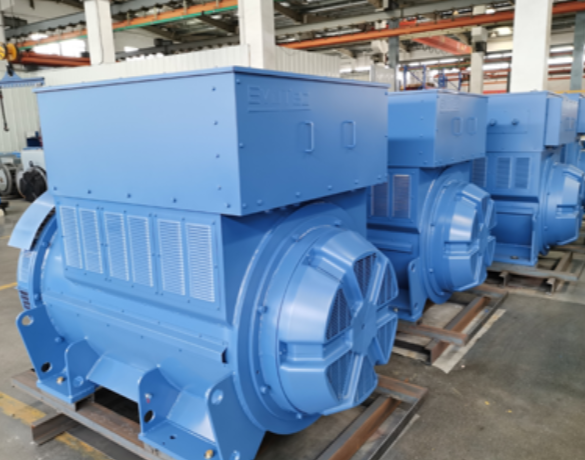
You’re running a fleet; every extra litre of fuel and every kW of wasted output dents the bottom line. Start by matching the genset to the mission: if your vessel needs stable shore-alike power at higher voltages, consider a 480V generator for reduced current, smaller cabling and less heat loss on long runs. That one choice shifts load profiles, lowers I2R losses and sets the scene for smarter controls and better power factor management.
Core measures that actually change operating costs
Operate gensets at sensible load bands. Heavy-duty marine alternators are most efficient between about 60–85% load. Running at single-digit loads drags fuel economy and increases wet-stacking risk. Use load banks during maintenance to keep combustion chambers clean and thermals spot-on. Sort the synchronisation logic so multiple sets share real-time load smoothly — that keeps transient stress low and limits harmful harmonics.
Controls, monitoring and small investments that pay off
Fit modern controllers and a basic power management system. Real-time metering for power factor, voltage, frequency and fuel consumption lets you spot imbalance and over-provisioning early. A modest investment in automatic load-shedding and remote telemetry returns in fuel savings within a season on many routes. Also, prioritise cyclical service of fuel filters and injectors — they directly affect combustion efficiency and emissions.
Common mistakes fleet ops keep repeating
Under-sizing preventive maintenance and over-sizing the genset are both killers. Over-capacity units idle poorly. Under-serviced alternators drift on voltage and harmonics creep up — that harms sensitive electronics. Avoid skipping synchronous checks after repairs and never rely on single-point temperature readings. Get multi-point thermography during dockside checks; it finds loose connections and hot spots early — and prevents a costly failure mid-voyage.
Real-world anchor: small numbers, big impact
To put it concrete: a 40kVA generator typically provides about 32 kW at a 0.8 power factor, and that conversion guides fuel and thermal planning. In New Zealand, ports like Port of Tauranga see a mix of short-haul tugs and larger vessels that benefit when gensets are right-sized and controlled. When a ro-ro operator swapped to duty-cycled loading and improved synchronisation, they cut idle fuel burn by an estimated 12% across a season — measurable gains, not guesswork.
Practical checklist before you commit to a genset
Keep this short list handy when evaluating options:- Confirm continuous vs standby rating and expected duty cycle.- Check control suite: remote monitoring, automatic synchronisation, and power factor correction capability.- Inspect alternator design for low harmonic distortion and robust AVR.Small details — like AVR response time and cabling losses — matter in operations that run daily.
Three golden rules for selection and operation
1) Match expected continuous load to the genset’s best-efficiency band; exclude oversized units unless mission demands surge capacity. 2) Measure and manage power factor actively; poor power factor inflates kVA requirements and fuel use. 3) Prioritise maintainability: modular spares, clear service intervals, and remote telemetry that flags deviations before they become failures.
Final consolidation and where EvoTec fits
Options on the market vary, but the real wins come from combining the right machine with practical controls and an honest maintenance plan. EvoTec’s generator range is designed with that mix in mind — durable alternators, sensible control logic and support that sits with fleet realities. Expect lower run-hours for unscheduled work and better steady-state efficiency. Single, punchy line: you’ll see the saving on the invoice. EvoTec.
Worth noting.