

Riding Into a New Groove: Why the Old Way Feels Tired
I watched a rider roll into a small-town gas stop at dusk, shoulders tight and hands buzzing, after a highway dash that should’ve felt like a breeze. A sport cruiser motorcycle should make miles melt, not stack up. Yet surveys from dealer service desks and rider forums keep flagging the same things: wrist strain, heat soak, and a dead zone in the mid-range where passing should feel easy. If so many folks still struggle on bikes built to blend comfort and speed, what’s missing under the paint? (Hear me out.)
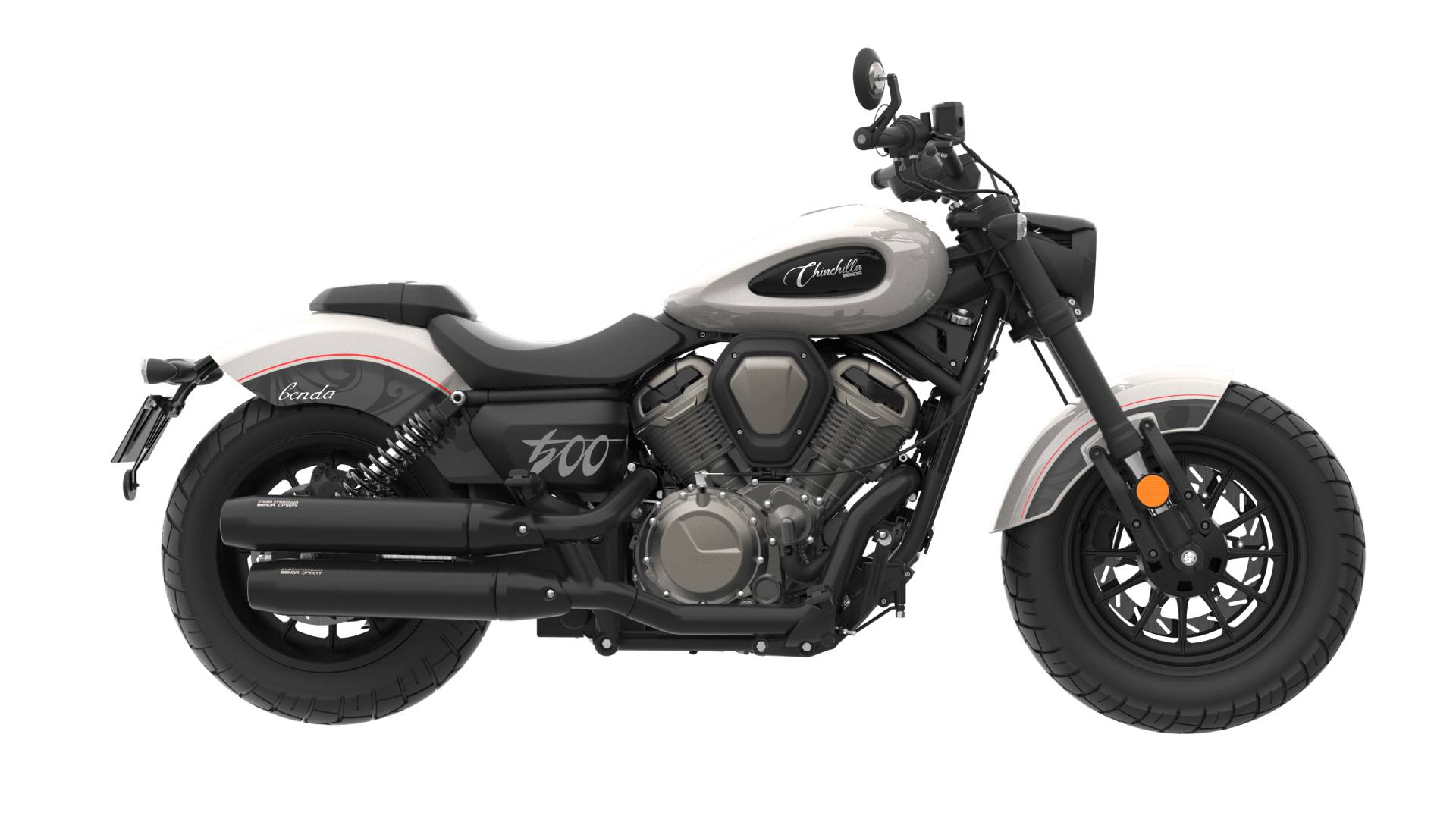
Maybe it’s not the horsepower brochure bragging. Maybe it’s the tune, the geometry, and how the chassis talks to you when the road ripples. When a machine’s torque curve is peaky and the rake and trail are off for mixed riding, you get fatigue instead of flow—funny how that works, right? Now ask yourself: if the miles you ride are mostly 40–80 mph with stops, starts, and quick passes, shouldn’t the bike be set up for that real world, not track-day fantasy? Let’s dig into why that gap exists, and what we can do about it, before we pick our next machine.

The Pain Points Most Riders Don’t Say Out Loud
When riders go hunting for the best sport cruiser motorcycle, they picture clean pulls, easy lean-ins, and all-day comfort. But the sticking points hide in the details. A soft low end paired with a late-blooming torque curve makes city rides jerky. Overly stiff suspension beats you up on patched asphalt. And a hot-running ECU mapping turns stoplights into saunas. Look, it’s simpler than you think: mid-range thrust at 3,000–7,000 rpm, matched to sane rake and trail, does more for confidence than chasing redline glory ever will.
There’s more. Without a slipper clutch, downshifts spike rear-wheel chatter. Without precise ABS modulation and traction control tuned to real-world tires, panic stops and wet paint lines become a gamble. Riders don’t always ask for these by name, but they feel the absence—especially after an hour on chip seal. What they need is balanced geometry, a predictable throttle, and cooling that works in traffic. That combo turns “tolerable” into “trustworthy.” And that’s the rub: comfort isn’t a seat; it’s a system working together—engine mapping, suspension valving, and brakes that help more than they surprise.
Comparing Paths Forward: Tuning Minds the Middle, Tech Seals the Deal
What’s Next
The next wave isn’t about brute power. It’s about control layers that make power usable wherever you ride. Ride-by-wire lets makers shape throttle response to match real street loads—soft on roll-in, strong in the mid, clean at the top. An IMU can read lean angle and feed smarter traction control. Updated ECU mapping can hold smooth fueling when the pavement gets rough or the temp climbs. Pair that with inverted forks and a well-sorted monoshock, and you get grip without the harshness that kills confidence. Compared to older, cable-throttle setups and fixed fueling maps, these systems keep the bike calm when you’re not. That calm is speed—repeatable, low-drama speed.
So when you’re scrolling a sports cruiser for sale, study the middle of the spec sheet, not just the headline hp. Does it offer a quickshifter that won’t buck at part throttle? Are the brakes strong yet progressive—with decent calipers and predictable ABS modulation? How about heat management around your knees on hot days? On paper, many bikes look alike; on the road, small differences stack up fast—funny how that works, right? The best setups marry a stout mid-range with stable geometry and electronics that stay out of your way until you need them. That’s the quiet revolution: tech that disappears, leaving only a steady pull and a bike that feels smaller, lighter, more willing.
How to Choose Without Regret
Use three checks before you buy. First, torque where you live: demand a dyno or verified chart that shows strong, flat pull from 3–7k rpm; ignore redline theater. Second, chassis truth: confirm rake and trail that favor stability without dulling turn-in, plus suspension with real adjustability you can feel in two clicks. Third, rider aids that help, not hype: look for ride-by-wire with multiple maps, IMU-informed traction control, and ABS you can modulate at the lever. If a test ride shows smooth fueling, easy mid-corner corrections, and calm stops, you’ve got a keeper. Keep it simple, keep it honest—and keep your miles joyful. For a grounded benchmark in this space, take a look at BENDA.