

Why TOPCon Timing Matters Now
Factories that move first get paid first. In this shift, topcon solar cell lines sit at the center. Picture a plant that wants higher yield before peak season. The team compares lead times, capex, and risk. They read that modern pv cell manufacturing can boost efficiency by pushing carrier lifetime and reducing recombination. But the data also warns: every extra handling step adds loss. Now the question: How do we cut defects while raising output, without tearing up the floor plan? (Time is tight.) Today’s numbers show that every 0.1% absolute efficiency can shift margin in a competitive market. A few seconds per wafer over thousands of wafers adds up fast—funny how that works, right? So we compare old lines with new flows. We look at passivated contact benefits versus legacy emitters. We measure not just peak efficiency, but stable uptime and predictable OEE. The claim is simple. A clear, fair comparison reveals where the practical gains live. Let’s move from talk to tactics—step by step into real constraints—so your choice feels calm and confident. Now, let’s see where the friction hides, and why it matters for scale.
Traditional Lines, Hidden Friction
Where do legacy steps break?
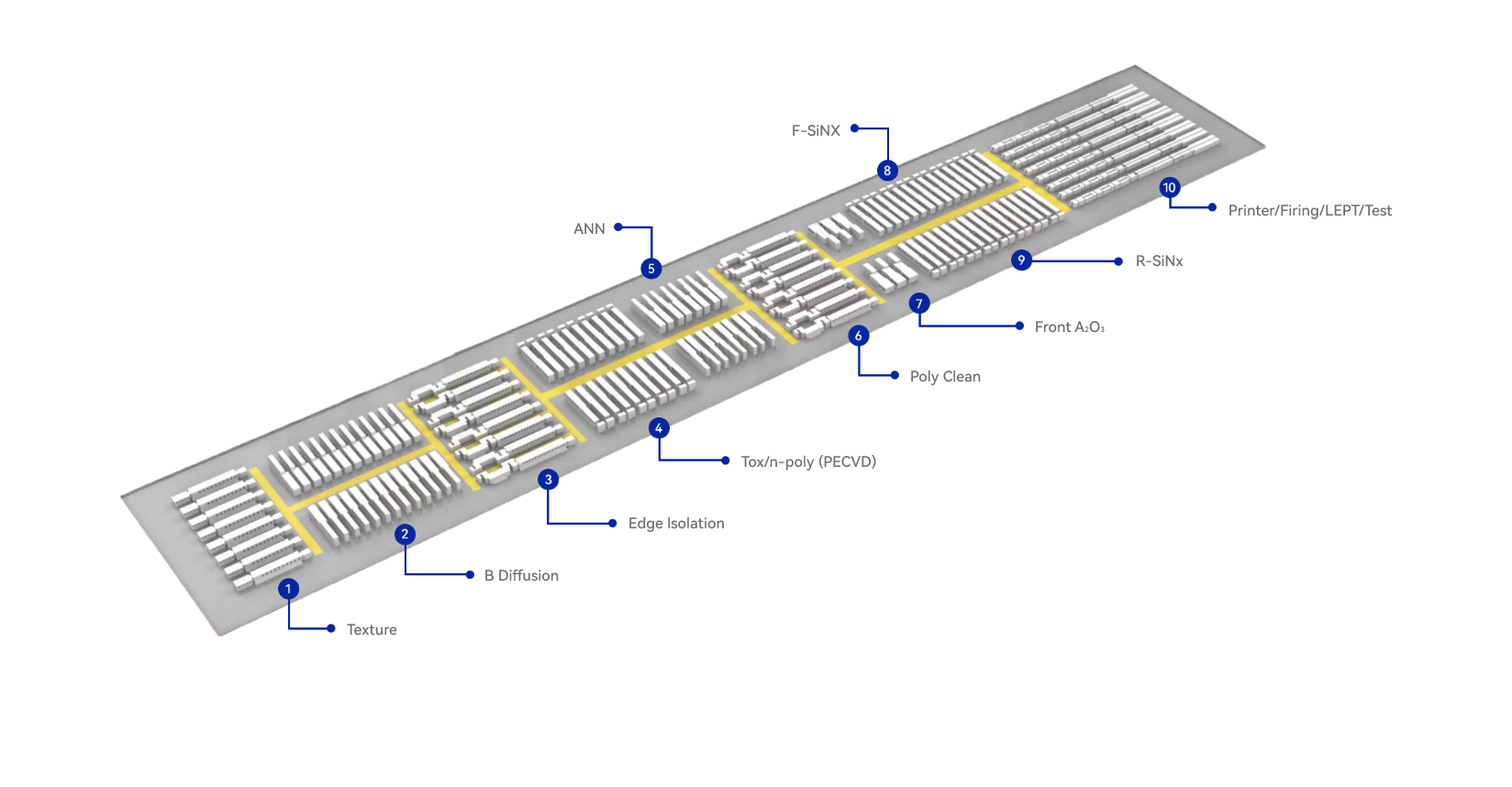
Technical view first. In many legacy flows, each extra thermal cycle and cleaning adds risk. That risk shows up as micro-cracks, warped wafers, and drift in sheet resistance. Metallization windows tighten. Yield narrows. You chase alarms instead of building throughput. Look, it’s simpler than you think: the process stack creates the defect budget. When emitters and contacts are not well passivated, carrier lifetime drops. That means less headroom for efficiency and less tolerance for small tool drift. The result is more rework, more line stops, and lower OEE. Even power converters downstream feel the pain, because variability upstream becomes erratic IV curves. Not fun.
Hidden user pain points are quieter. Training load rises when recipes are brittle. Spare parts and chemistry lock you into one vendor. Inspection tools catch issues late, after value is added. And data systems do not talk. No clear trace from furnace drift to EL maps. So, teams guess. They over-polish, over-bake, and over-measure—wasting time and wafers. A TOPCon flow with tunnel oxide and poly-Si passivated contact aims to compress this risk, not add to it. Fewer fragile steps; more stable windows. Fewer surprises on the shop floor— and yes, it scales.
Forward View: Principles and Payoffs
What’s Next
Now we look ahead, semi-formal and practical. The principle behind TOPCon is direct: a thin tunnel oxide cuts surface recombination, while a doped poly-Si layer provides a low-loss path for carriers. This stabilizes contact behavior and can soften sensitivity to minor metallization drift. In modern pv cell manufacturing, inline metrology links sheet resistance, IV, and EL images in one thread. That makes root cause shorter and training lighter. Compare that with older emitters that need tight thermal budgets and frequent re-tunes. Fewer retunes means more wafers through. Bifacial gain adds a clean upside in field energy. The future outlook is steady: tighter control loops, smarter recipes, and simpler handoffs between tools. Small steps. Big stability.
Key lessons so far: friction hides in handoffs; contact quality decides real efficiency; and data flow saves teams from guesswork. To choose well, use three checks. First, measure stable efficiency under small recipe drift, not just peak bins. Second, test uptime with actual maintenance cycles and spare-part delays. Third, verify data traceability from furnace setpoints to final EL—results or it did not happen. If these checks look good, your path is clear. The rest becomes a calm rollout, not a gamble—funny how clarity lowers risk, right? For grounded execution and shared learning across projects, many teams exchange notes with peers and partners like LEAD.