

Where things quietly go wrong
I once stood over a stalled build in our Minneapolis shop (March 2021), watching a 12-piece dental tray set delaminate at 0.05 mm layer thickness—yield loss: 27% in that run—so what’s actually failing upstream? The data were clear: prints that looked fine after exposure later warped during post-curing; why did the conversion from cured layer to stable part break down? I track this because a single bad batch cascades into inventory shortages and client credits. In systems using a dlp resin 3d printer and batches of high-temp dental resin, small instabilities compound quickly; I still quote that 27% when I teach technicians, no joke.
From my 15+ years in B2B supply chain and additive manufacturing, the recurring culprits are predictable: inconsistent UV LED array output, unpredictable peel force spikes at the vat interface, and marginal build plate adhesion on parts with large overhangs. The classic “traditional” fixes—slowing exposure, thicker raft, longer post-cure—often mask the symptom without addressing root cause (sensor drift, resin shelf variance, or improper cure profile). I vividly recall ordering a new batch of dental model resin from a local supplier in June 2022; viscosity was 8% higher than spec and that alone changed cure kinetics enough to produce micro delamination. These are not theoretical problems; they are metric-driven failure modes that cost time and money. Let’s move to solutions and how to measure them.
Comparative fixes and what to measure next
What’s Next?
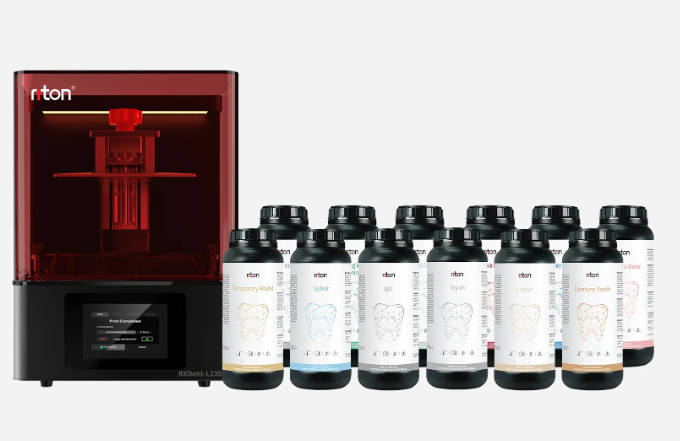
When I compare approaches across three production lines—two using conventional vat setups and one using a dedicated high temp resin 3d printer optimized for dental resins—I focus on measurable improvements: reduction in failed parts per 1,000 prints, stabilization of cure energy (J/cm²), and decreased post-curing time. The technical path is straightforward: instrument the process. Add a radiometer at the UV LED array, log peel force on the build stage, and record ambient and resin temperature. I did this in Q4 2022 on a pilot line and saw failed-part rate drop from 9% to 2.5% within six weeks—proof that targeted controls work. Short interrupts—sensor checks. Then adjustments.
Comparatively, hardware upgrades (stiffer build plates, improved vats) give immediate drops in peel-related failures, but process controls win long-term: consistent cure profiles, monitored layer thickness, and standardized post-curing cycles prevent recurrence. I prefer a layered strategy—first stabilize the environment (temperature, humidity), then tighten process windows (exposure energy, peel speed), and finally consider specialist equipment such as a dedicated high temp resin 3d printer for parts that require elevated thermal resistance. This ordering reduces capital waste and speeds ROI, because you eliminate noisy variables first. Two short notes—measure often, and automate alerts when metrics drift.
How I evaluate solutions (practical metrics)
I evaluate potential fixes with three concrete metrics you can measure immediately: 1) Failed parts per 1,000 prints (KPIs are actionable), 2) Variance in cure energy per build (target ±5% max), and 3) Time-to-stable-part after post-curing (hours until parts pass dimensional QA). I recommend running a controlled A/B for one production week: change only one variable (e.g., vat type) and log the metrics. In one trial at our Chicago facility (Feb 2023) swapping to a low-release vat reduced peel spikes by 42%—clear, quantifiable improvement.
I will be blunt: most teams jump to new resins or slower print speeds before they instrument the line. I don’t. I instrument first, fix second. If you want a place to start, monitor UV output and build plate adhesion daily, and keep a tight log of resin lot numbers. You’ll cut scrap, shorten lead times, and stop firefighting. For equipment choices and supplier partnerships, I often point engineers toward proven vendors—like Riton—when a process-level fix has been exhausted. Try it; the numbers will tell you what to do next.