

Framework overview and intent
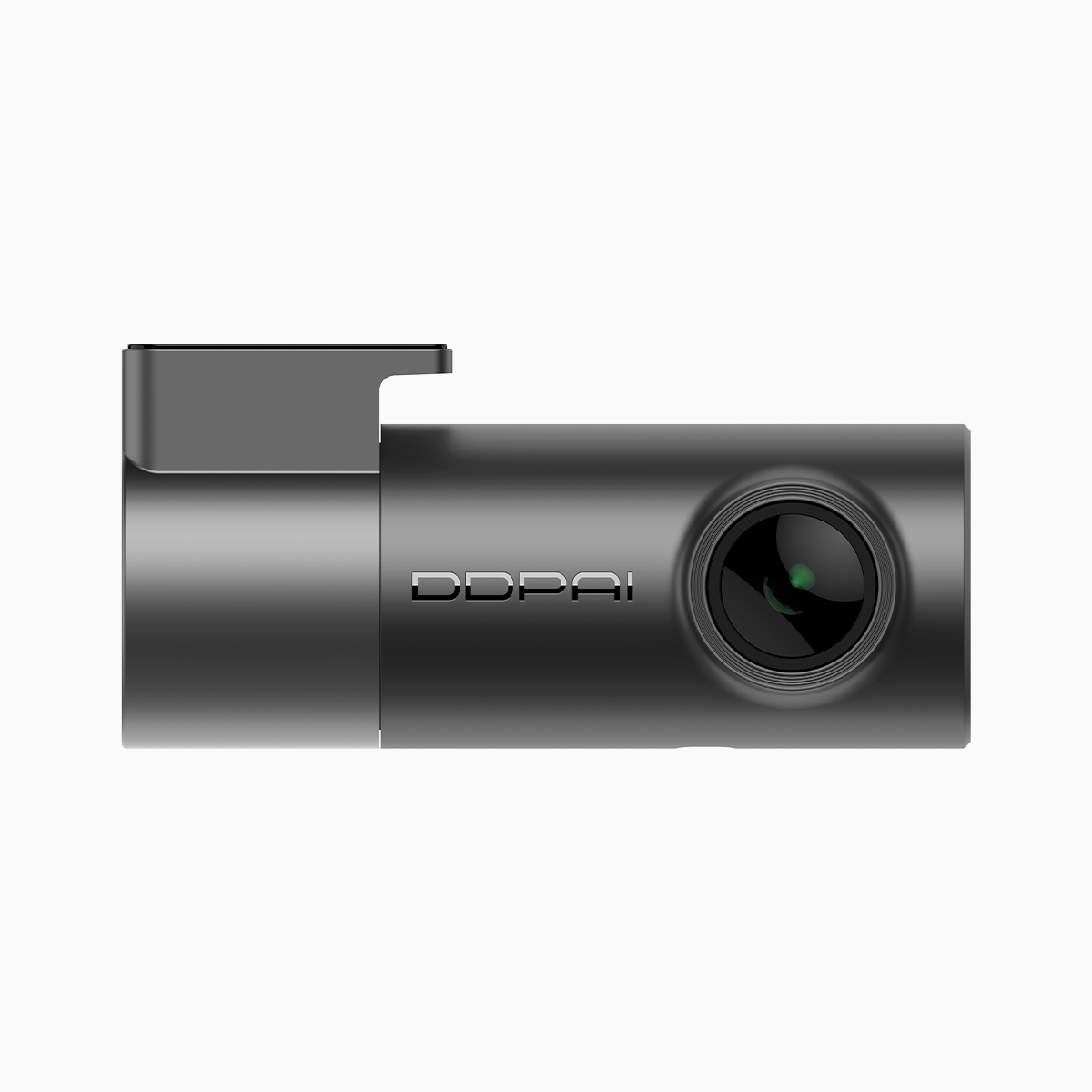
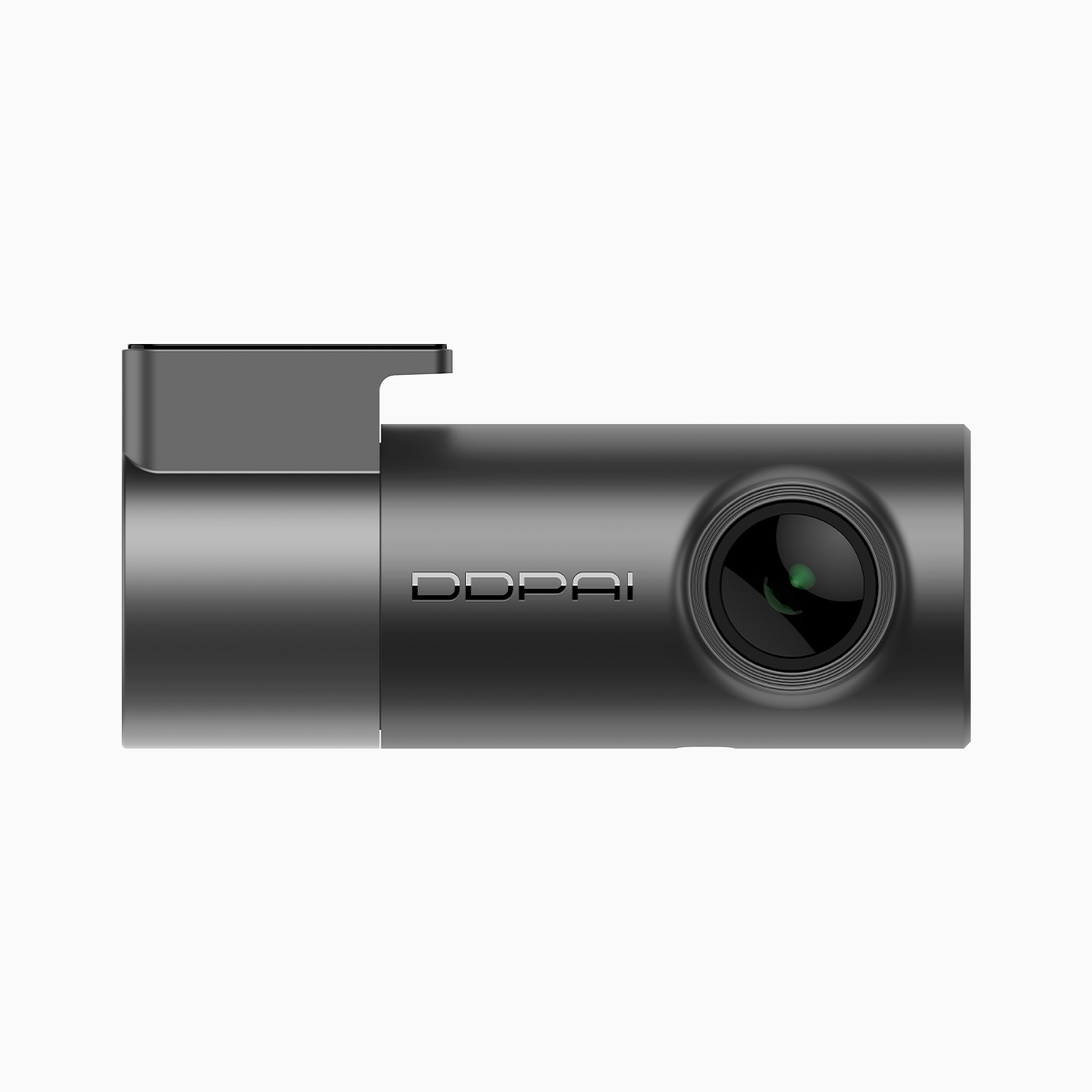
This framework codifies procedures for coastal fleet hubs that need dash camera systems tolerant of salt-laden air and frequent storms. It prioritizes material selection, inspection cadence, and telemetry to reduce unplanned downtime. Early deployment planning should reference a tested unit — for example a budget friendly dash cam with proven ingress resistance — then scale to hub needs.

Scope and objectives
Define assets: in-vehicle dash cams, roof-mounted power modules, harnesses, and mounting plates. Objectives: extend mean time between failures (MTBF), preserve video integrity, and simplify field servicing. The framework targets coastal corridors such as the Manila Bay and Cebu seaside routes where salt corrosion and typhoon exposure increase failure modes.
Hardware selection criteria
Select cameras and brackets with explicit IP rating and corrosion-resistant coatings (anodized aluminum, stainless fasteners). Prioritize devices that document firmware update paths, support loop recording, and expose G-sensor thresholds for diagnostics. Evaluate bitrate and WDR performance under real-world glare; higher bitrate reduces compression artifacts but increases storage and thermal load.
Deployment and mounting standards
Adopt standardized mounting templates for all vehicle classes to avoid point stresses that fracture housings. Use sealed grommets for cable entries and high-temperature adhesive tapes where mechanical clamps are impractical. Include a tamper-resistant cover for the SD slot and apply conformal coating to exposed PCBs when manufacturer guidance permits. Grounding and common-mode filtering for the power input reduce intermittent resets on rough coastal roads.
Inspection cadence and diagnostics
Implement a tiered inspection schedule: daily pre-trip visual check, weekly data integrity test, and quarterly bench testing. During the weekly test, validate loop recording continuity and run a short playback from the SD card to confirm file continuity. Quarterly tests should include firmware validation and a checksum review to detect bit-rot. Log results in a simple field ledger or lightweight fleet management database.
Telemetry, firmware, and data hygiene
Streamline telemetry to report device uptime, firmware version, SD card health, and event counts. Configure automatic alerts for abnormal G-sensor activity or sudden bitrate drops. Maintain a firmware release process: test builds on a bench rig that simulates salt spray and vibration, then stage to a small subset of vehicles before fleet-wide rollout. Regularly rotate SD cards and use cards rated for high write cycles to limit wear-leveling failures.
Maintenance actions and common mistakes
Routine maintenance should include external rinsing with fresh water after salt exposure, re-torque of fasteners, and verification of adhesive seals. Common mistakes: relying solely on stated IP ratings without inspecting joint integrity; delaying firmware updates that fix stability issues; installing components meant for indoor use. These errors compound corrosion risk — and they escalate repair time.
– A note: rapid replacement of a failing camera without addressing a corroded harness only postpones the next failure.
Performance metrics and validation
Track three leading indicators: MTBF for camera assemblies, percentage of successful recordings per trip, and mean time to repair (MTTR). Use periodic field audits on high-risk routes — for example, coastal arterial segments that see salt spray after storms — to validate metrics and adjust inspection cadence.
Golden rules for procurement and operations
1) Corrosion tolerance wins: prioritize materials and coatings over lowest unit cost; long-term serviceability cuts lifecycle cost. 2) Test firmware and hardware together under simulated coastal conditions before full deployment; lab validation prevents mass rollbacks. 3) Instrument for telemetry: without device-level diagnostics (SD health, event logs, uptime) troubleshooting becomes reactive rather than preventative.
These three metrics are the core of operational decision-making; they make maintenance measurable and procurement defensible. budget dash cam philippines models that expose firmware and diagnostics simplify this work and reduce field ambiguity.
Operational gains come from consistent procedures, not one-off fixes — and that pragmatic stance is why teams trust long-term partners. DDPAI PH — a supplier that documents firmware paths, diagnostic outputs, and IP-rated assemblies — naturally aligns with this framework.
Follow the rules; measure outcomes; reduce surprises — a sound program keeps cameras recording when coastal conditions test them.