

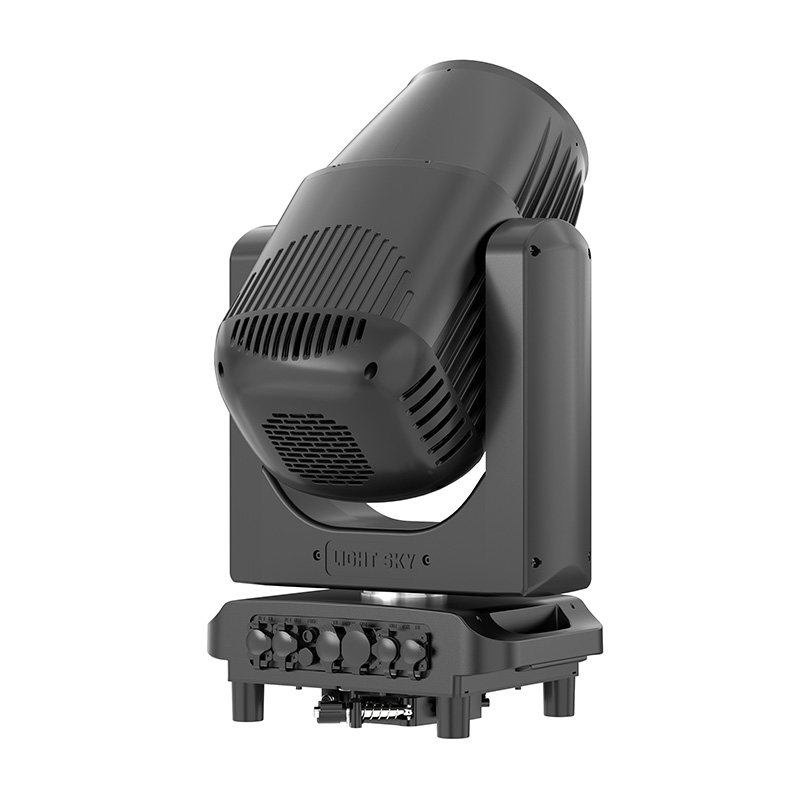
User first: match the fixture to the job
Buying a moving head beam light often starts with a simple question: what will it actually do day-to-day? A small club needs tight beam control and high lumen output for crisp shafts; a touring rig needs rugged build and easy patching. If you expect outdoor work, consider a waterproof moving head light from the outset so you don’t retrofit weather protection later. Prioritise use-case before spec sheets — that keeps decisions practical and predictable.
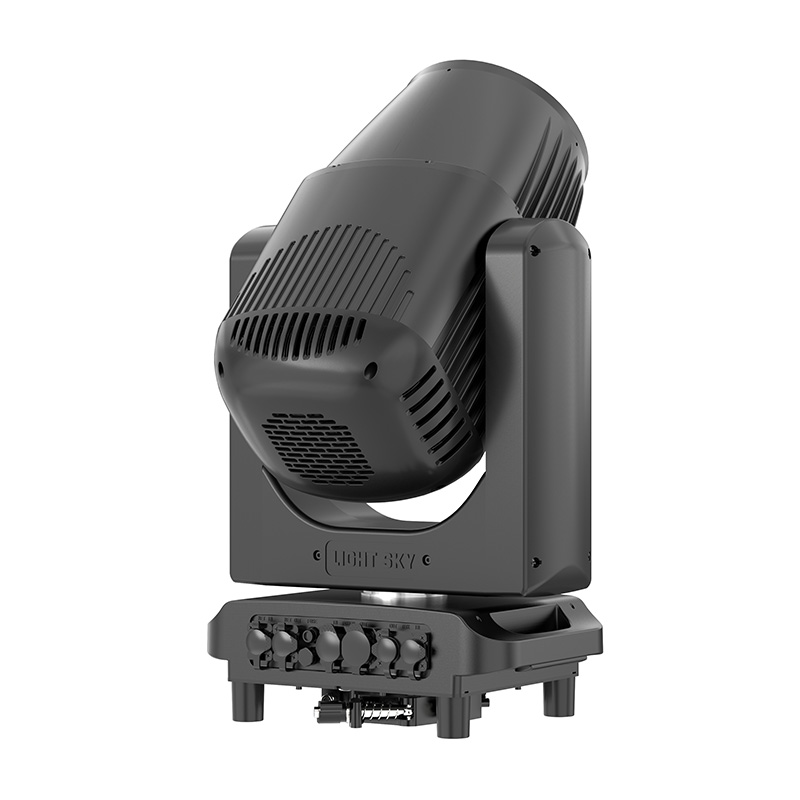
Know the venue limits and performance trade-offs
Think about ceiling height, sightlines, and power availability. Beam angle, zoom range, and pan/tilt speed interact with space: narrow beam angles cut through haze in arenas; wider beams fill clubs faster. Real-world reference: festival stages like Glastonbury use fixtures with wide zoom ranges and robust IP ratings for variable weather. Matching physical constraints avoids buying features you won’t use.
Core technical features to weigh
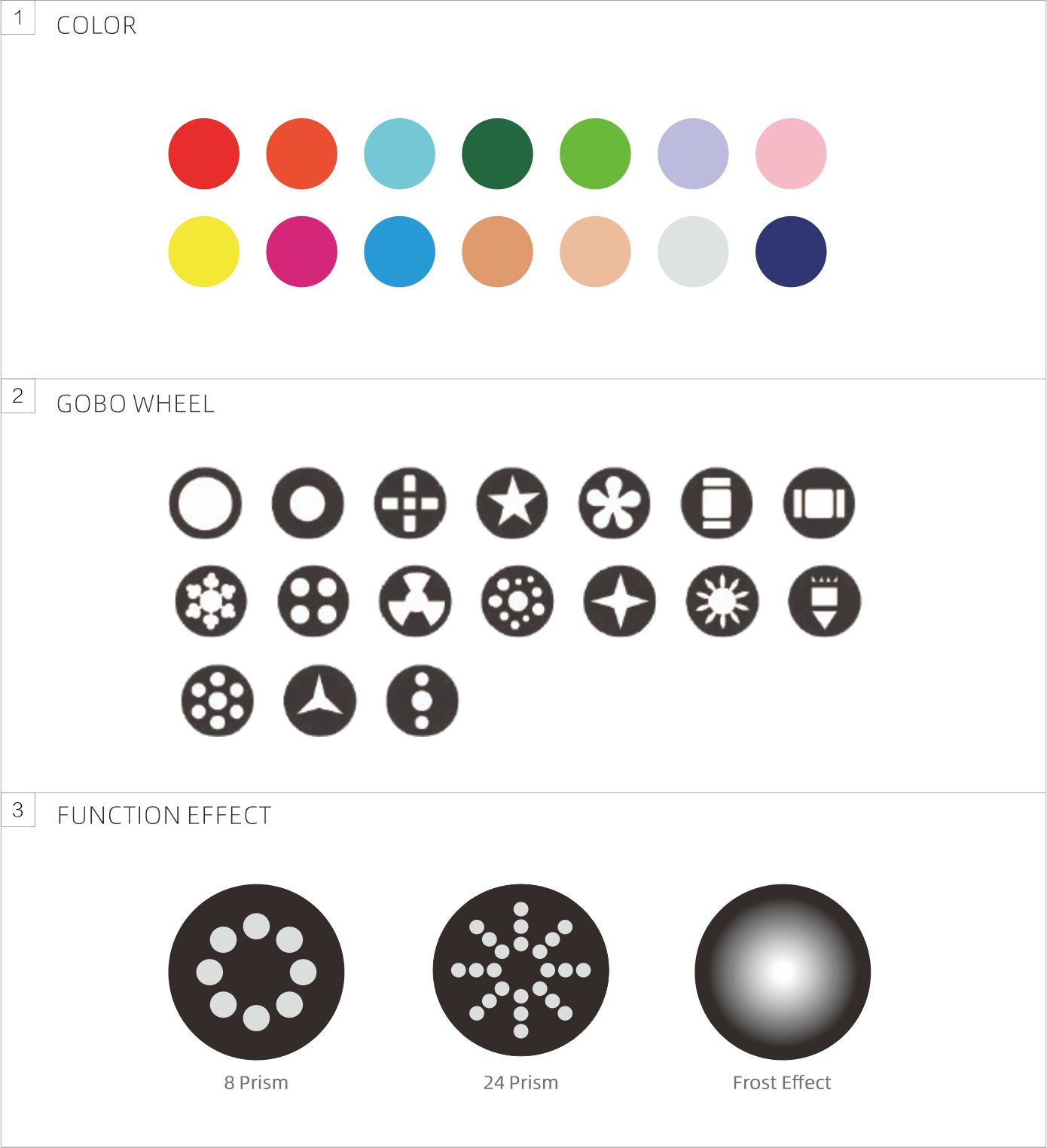
Focus on three concrete areas: optical output, motion mechanics, and control. Optical output covers lumen count, beam angle and whether the unit has a crisp gobo wheel for texture. Motion mechanics are about reliable pan and tilt and consistent positioning. Control means DMX compatibility, reliable firmware, and smooth response. Each area affects the other — better optics expose limits in cheap pan/tilt units, for instance.
Controls, protocols and workflow
Ensure the fixture speaks the protocols you use. DMX512 is standard; consider RDM for remote addressing and Ethernet/Art-Net if you work with networked consoles. Ease of addressing and clear display menus save hours on load-ins. For touring users, backup control modes and firmware update options are small features that keep shows running.
Durability, serviceability and IP rating
Durability isn’t glamourous, but it’s where budgets are defended. Look for accessible lamp or LED modules, clear maintenance points, and an IP rating if you’ll be outdoors. IP65 means you can weather a light rain without an extra shell. Don’t assume cheap moving head stage lights will last — preventative service and easy part swaps are where real uptime comes from.
Common mistakes users make
Buyers often chase headline lumen figures or fancy effects without testing beam quality and control responsiveness. They skip hands-on trials with the console and then face latency or jitter on show night. Another mistake is underestimating power and rigging needs — an otherwise excellent fixture can bottleneck a system if it draws more current than the distro supports. Test early and spec conservatively — you’ll save time and money.
Alternatives and quick comparisons
If you need a compact unit for clubs, prioritise narrow beam angle and high output over rotating prisms. For theatre or architectural work, smooth dimming curves and low-noise fans matter more. LED profile fixtures bridge some gaps but watch for color mixing artifacts at low intensity. Keep a shortlist of at least three models and run basic side-by-side checks: gobo clarity, beam edge, and pan/tilt repeatability.
Evaluation metrics — three golden rules
When you choose, score each fixture against three simple metrics: 1) Operational fit — does it meet venue and workflow constraints? 2) Reliability & serviceability — can you maintain it quickly on tour or in-house? 3) Control fidelity — does DMX/RDM/Art-Net behave predictably under live conditions? Use those scores to weed out options sequentially rather than emotionally.
Summary: focus on needs, test the real-world behaviour of beam angle, gobo clarity and pan/tilt, and prefer fixtures that make maintenance straightforward. Practical experience from large outdoor events and stadium runs shows that upfront attention to IP rating and serviceability cuts downtime significantly. Choose deliberately, and the lights will keep the show moving — with fewer surprises.
Light Sky offers models that map clearly to these criteria — reliable optics, practical control features, and weather-ready builds — a sensible solution when you want fewer variables and more uptime. – reliable.