

Putting the user first
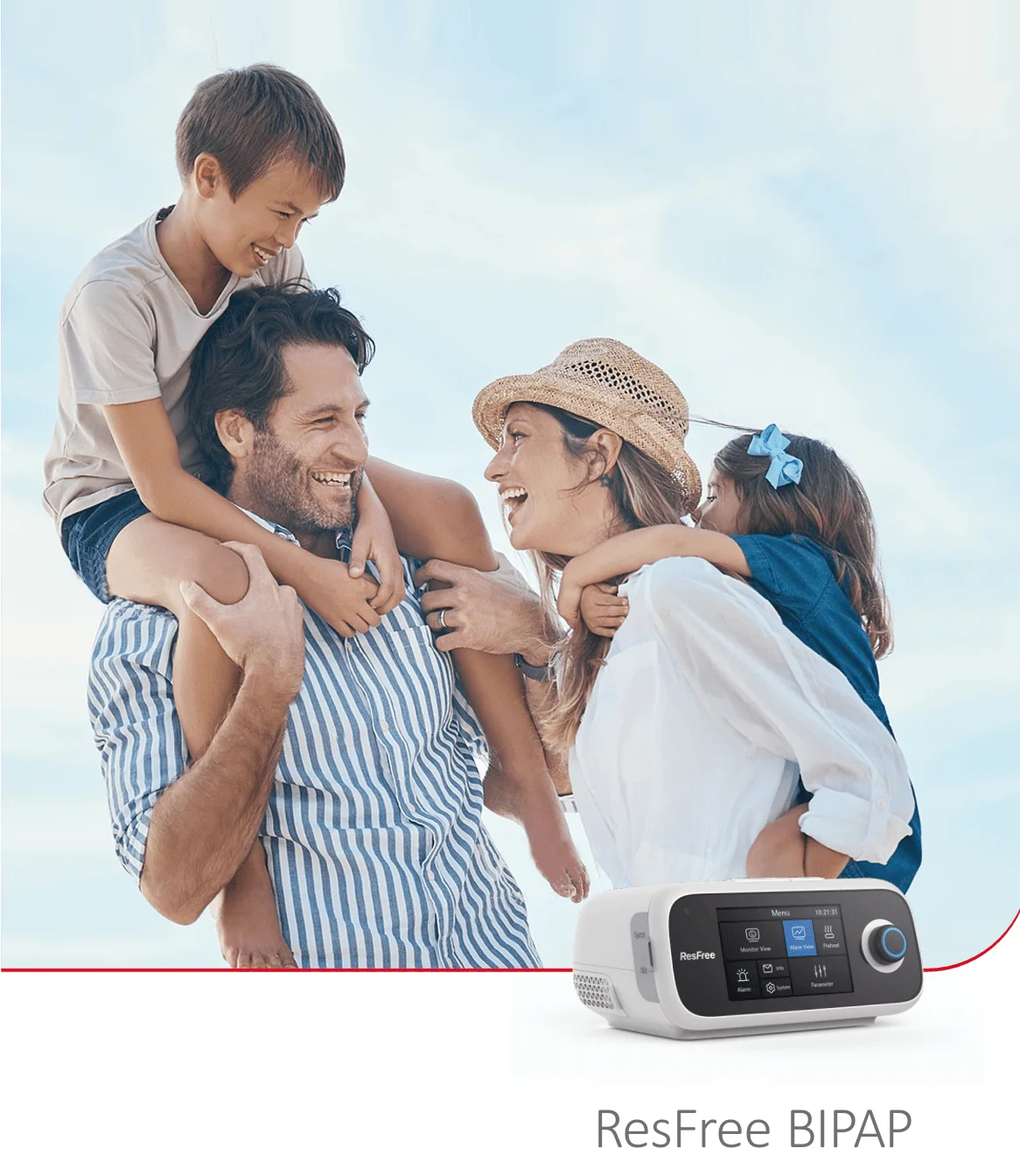
People who use continuous positive airway pressure like to know the machine adapts to their life, not the other way around. That’s the simple idea behind a user-centric take on an cpap device: an auto-adjusting pressure profile, a comfortable mask interface, and easy data that actually helps you sleep. In practice that means the device’s auto-adjusting pressure and CPAP algorithm respond to events logged by the apnea-hypopnea index (AHI) and reduce unnecessary pressure during quiet nights, while ramp and humidifier settings keep comfort up and leak noise down.
Everyday hurdles and practical fixes
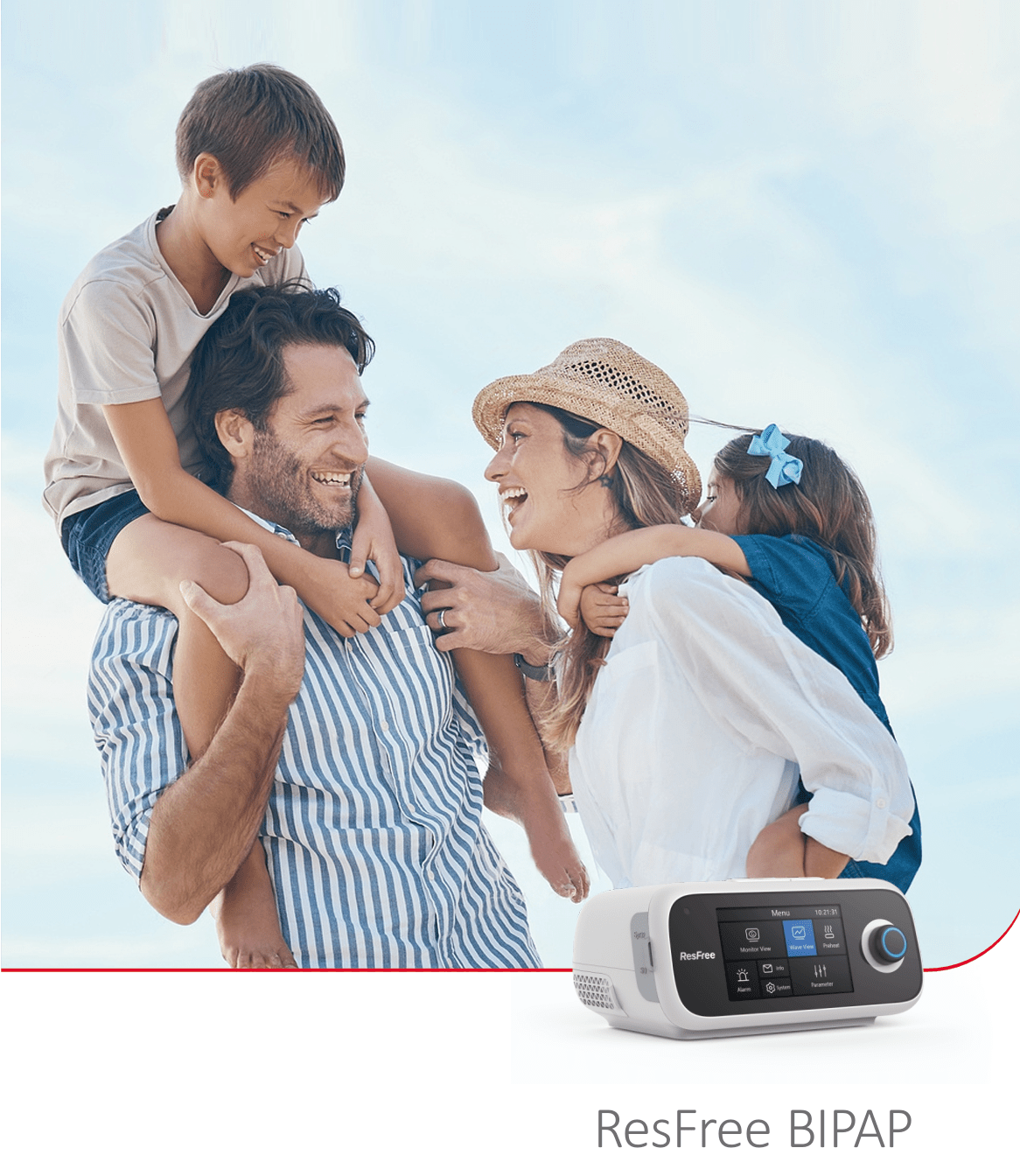
Most problems aren’t mysterious hardware failures; they’re fit, setup, or habit issues that happen at home. Common mistakes include using the wrong mask size, leaving humidifier settings too low, or skipping nightly data reviews. Fixes are concrete: check mask seal in front of a mirror, raise humidifier by one notch if you wake with a dry throat, or enable pressure ramp for gradual comfort. During device bench checks and operational production teardown, engineers note {main_keyword} and {variation_keyword} as tracked parameters to spot recurring user pain points — a tiny detail that cuts repeat returns.
Small changes make big differences — swap a nasal pillow for a full-face if you breathe through your mouth. Also, keep tubing routing simple; tangles create extra drag and can trigger false leaks.
When alternatives matter
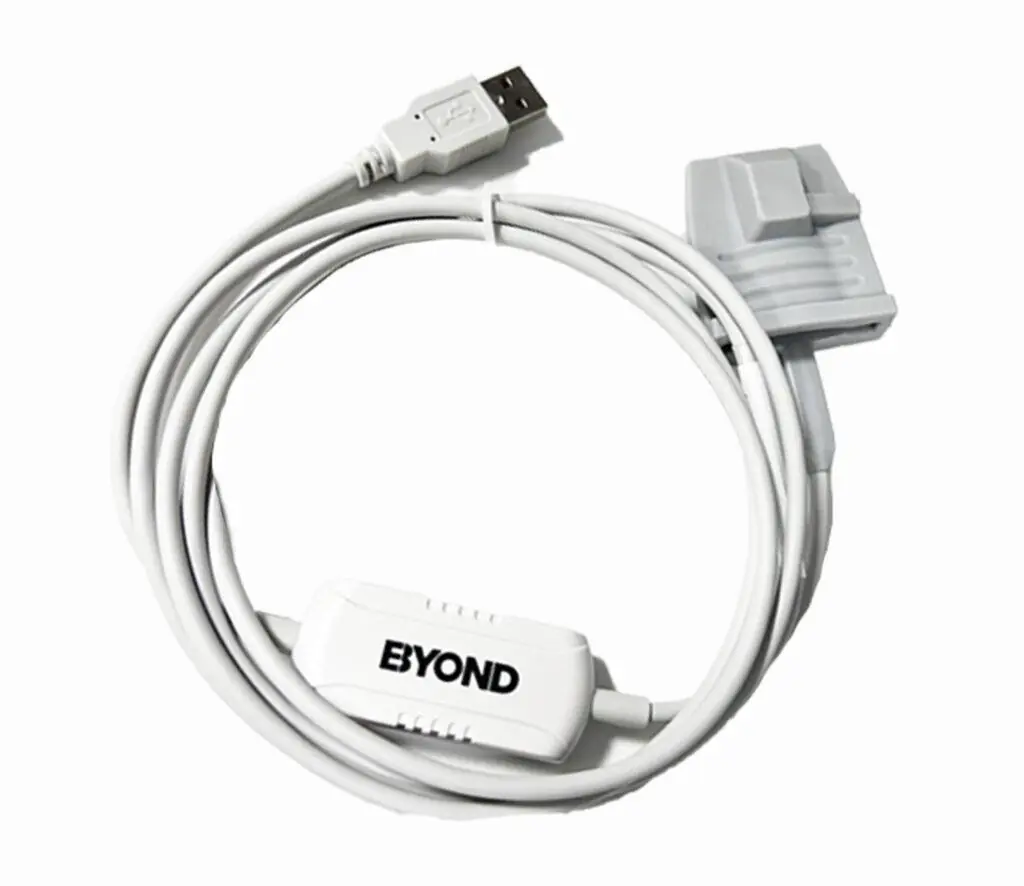
Auto CPAPs work for most obstructive sleep apnea cases, but certain profiles need other tools. People with high-pressure needs or persistent sleep-disordered breathing sometimes move to bilevel therapy; that’s where BiPAP shines because it offers separate inhale/exhale pressures and improves tolerance in complex cases. For clinicians and home users looking into those options, explore real-world device specs and clinical notes on bi-level systems — and note how institutions in the U.S. report prevalence: the CDC cites roughly 22 million Americans affected by sleep apnea, which explains why a clear escalation path is essential.
Alternatives like oral appliances or positional therapy fit some people. If symptoms persist despite optimized PAP use, referral to a sleep clinic is the right move — the issue may be central events or comorbid conditions that require tailored therapy. For more device-level perspectives tied to clinical practice, resources on bipap medical offer technical context and comparative features.
Three golden rules for picking the right auto CPAP
1) Measure tolerance, not price. Track nightly adherence and AHI reduction before swapping brands. A cheaper device that’s unused does nothing.
2) Prioritize comfort settings that drive consistent use: mask interface options, adjustable ramp, and an effective humidifier. If a setting feels off, tweak it for a week before changing devices.
3) Confirm clinical compatibility: ensure the device logs exportable data for your clinician and supports escalation to bilevel modes if needed. Check that maintenance items — filters, tubing, masks — are standard sizes to avoid sourcing delays.
These evaluation metrics focus on what moves outcomes: adherence, residual AHI, and escalation readiness. When those line up, the machine becomes a practical tool that supports the person using it, not a puzzle they have to solve alone. That practical support — good engineering, clear data, and straightforward user options — is the kind of solution Byond builds toward, mixing clinical insight with home-friendly design. Byond — practical care that fits the night. —