

Introduction — Why the Debate Over Charging Matters
Have we really thought through what urban buses need from a charging system? I ask because I see cities chasing speed while riders care about uptime and comfort. In many pilot programs, the pantograph charger shows up as the obvious choice for fast, curbside top-ups — yet data from recent trials (uptime averages, dwell-time figures) tells a mixed story. Pantograph charger systems promise ten-minute replenishes and rapid turnarounds, but operators still face rollout headaches: inconsistent pantograph alignment, varied charging protocol support, and aging power converters that trip at the worst time. So where does practicality meet policy — and what do we, as planners and engineers, actually prioritize?
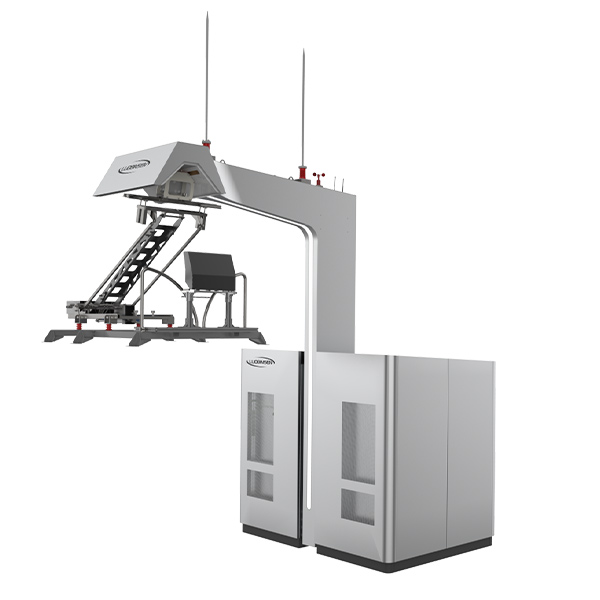
I’ll argue, plainly: speed without reliability wastes public money. We need a framework that rewards both throughput and service continuity. That’s the scene I’m writing from — and yes, I have seen systems where a single faulty contactor knocked half a depot offline (funny how that works, right?). Next, I’ll dig into the hidden flaws and user pains we rarely admit.
Deeper Layer: Traditional Flaws and Hidden Pains in Pantograph Bus Charging
When I look at pantograph bus charging deployments, what stands out are not the headline numbers but the small failures that add up. Technically speaking, many systems rely on a fragile chain: pantograph interface alignment, reliable DC bus control, robust power converters, and a clear charging protocol. If any link weakens, the whole operation slips. I’ve watched teams scramble over miscalibrated guides and worn contact surfaces. Those hours of delay cost service reliability and rider trust.
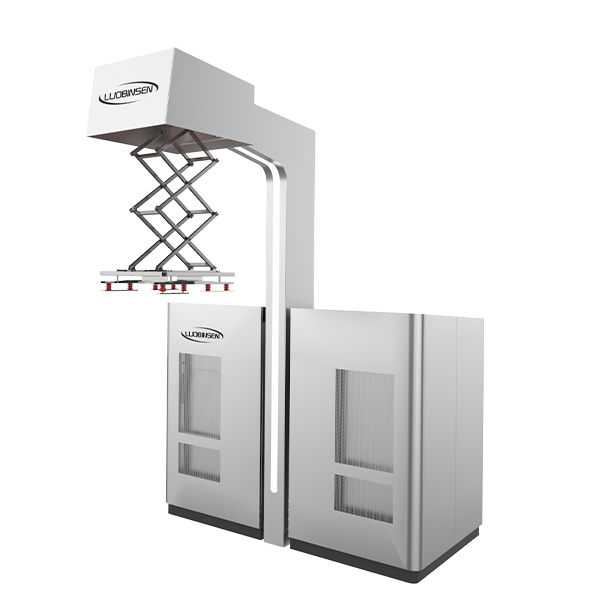
Let’s be blunt — the traditional approach often underestimates operational realities. Depot staff aren’t always trained to adjust mechanical guides. Energy management systems sometimes clash with fleet telematics. And maintenance budgets? They get squeezed first. Look, it’s simpler than you think: a misaligned pantograph will not forgive you because the contactor won’t close, and the session aborts. That means lost charge, missed trips, and angry passengers. We need to stop treating these as rare glitches and start designing for them.
What’s the main user pain?
Operators want predictability. Drivers want clear signals. Riders want buses that show up. From the maintenance bay to the control center, the pain points are operational, not theoretical. The industry terms here — pantograph interface, power converters, DC bus — aren’t buzzwords; they’re the levers that decide whether a schedule holds. If we focus on those levers, we get fewer surprises.
Future Outlook: Practical Paths and Evaluation Metrics
Looking forward, I think solutions split into two camps: incremental fixes and systems re-thinks. On the incremental side, better sensors on the pantograph interface and smarter fault logging help; they give technicians a head start. On the systems side, interoperable charging protocol standards and modular power converters change the game. I’ve followed pilots where modular units allowed a failed module to be hot-swapped, restoring a charger in under an hour — real savings in downtime. In short: design for maintainability, not just peak power.
For a concrete case, consider a medium-sized city that upgraded its depot controls and added guided alignment aids. Charging sessions became steadier and scheduling buffer time shrank. This wasn’t magic. It was choices: simpler mechanical guides, clearer error codes, and a smarter energy management system that avoided peak overloads. I’m convinced these moves scale well — and they reduce the human stress of running a fleet. — yes, small changes, big effects.
What to measure when choosing a solution?
Here are three metrics I use when advising teams: 1) Mean time to repair (MTTR) for charger faults; 2) Effective uptime percentage under real schedules (not lab claims); 3) Interoperability score — how well the charger talks to fleet telematics and varying vehicle electronics. Weigh those, and you’ll pick a system that serves riders, not just dashboards.
In closing, I want to say: I prefer practical progress over flashy specs. When you judge chargers, look beyond kilowatts. Check the maintainability, the human workflows, and the failure modes. That’s how you get real service improvements. For real-world hardware and support I’ve seen work well, check resources and solutions from Luobisnen.