

Why a comparative lens matters for bathroom ventilation
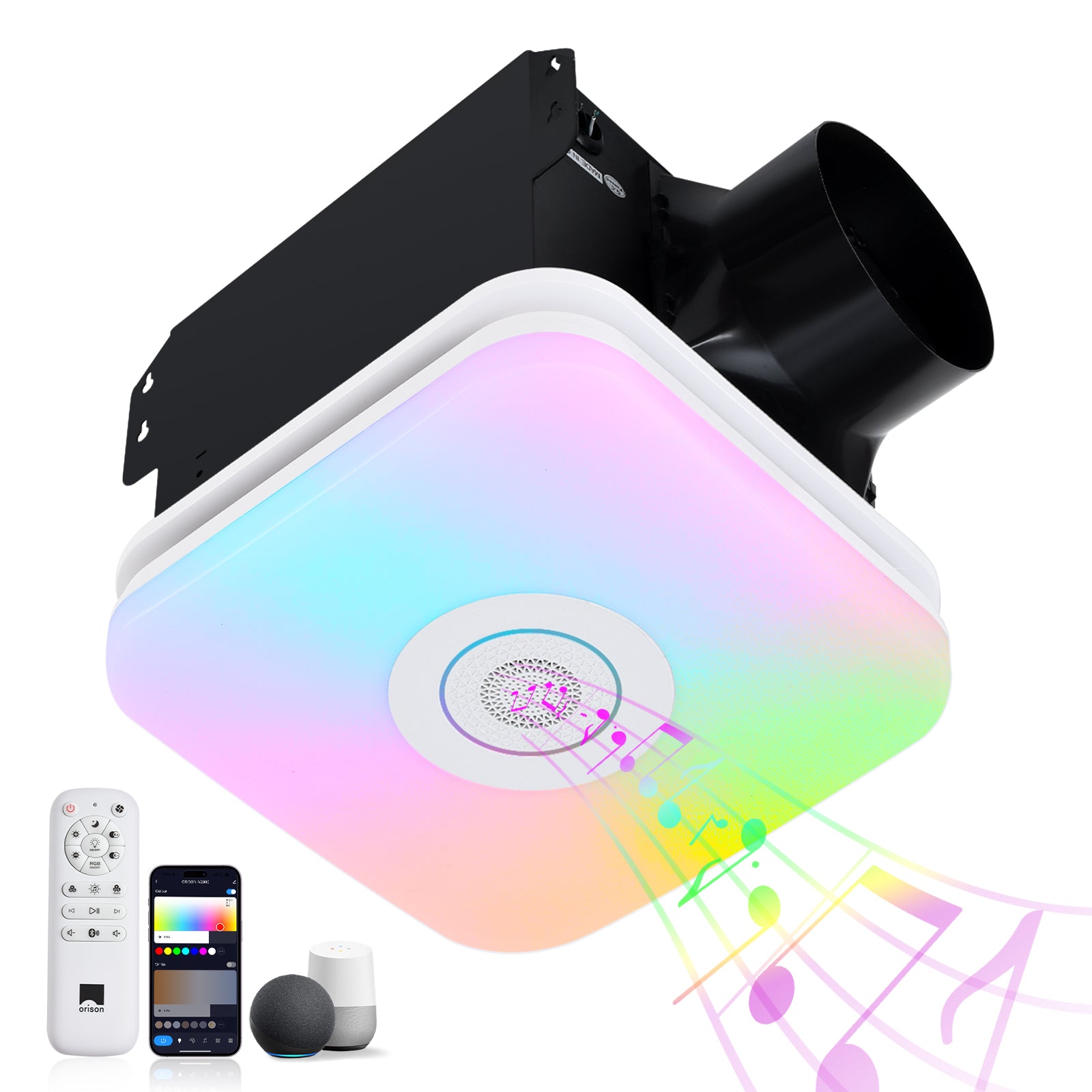
Decisions about ventilation are technical and strategic: the right fan affects indoor air quality, odor control, mold prevention, and occupant comfort. A focused comparison helps procurement and facilities teams understand trade‑offs between capacity, noise, and integrated features — for example, when to specify a combined light and fan unit versus separate systems. The EPA notes indoor air can be two to five times more polluted than outdoor air, which makes correct ventilation sizing and performance verification essential. If you’re weighing options, an efficient bathroom exhaust fan with light can serve as both a fixture and a functional ventilation device; the comparative framework below helps clarify which model fits which installation profile.
Core criteria to compare — metrics that matter
When assessing fans, prioritize three measurable dimensions: airflow, acoustic performance, and installation fit. Airflow is expressed in CFM (cubic feet per minute) and should align with room size and targeted air changes per hour (ACH). Acoustic performance is quantified by sone rating — lower is quieter. Installation fit covers whether the unit is ducted or ductless, required static pressure, and compatibility with existing wiring and housing. Secondary but important considerations include integrated LED efficacy (lumens and color rendering), humidity or motion sensors, and whether the unit meets Energy Star or local code requirements.
How high‑efficiency models differentiate themselves
High‑efficiency exhaust fans combine aerodynamic impeller design, efficient motors (ECM rather than PSC in many premium models), and LED lighting to reduce total energy use. These motors maintain CFM at lower power draw and can handle modest static pressure without large drops in throughput. Integrated controls — timers, humidity sensors, or occupancy sensors — improve real‑world ventilation by ensuring run time matches need rather than schedule. Expect to see low sone ratings at rated CFM for well‑engineered units; that matters when bathrooms open onto living spaces.
Real‑world performance: what specs omit and what installations reveal
Lab ratings are controlled conditions; jobsite performance depends on duct routing, damper quality, and roof or wall termination. Improperly sized ducts or excessive bends increase static pressure and reduce delivered CFM — a common surprise during commissioning. In multi‑family buildings, shared duct systems can produce cross‑contamination unless backdraft dampers and appropriate seals are used. Field audits in many U.S. apartments have shown installed ventilation is often 20–30% below nominal capacity — an important anchor when specifying equipment for code compliance or health outcomes.
Alternatives and when each is appropriate
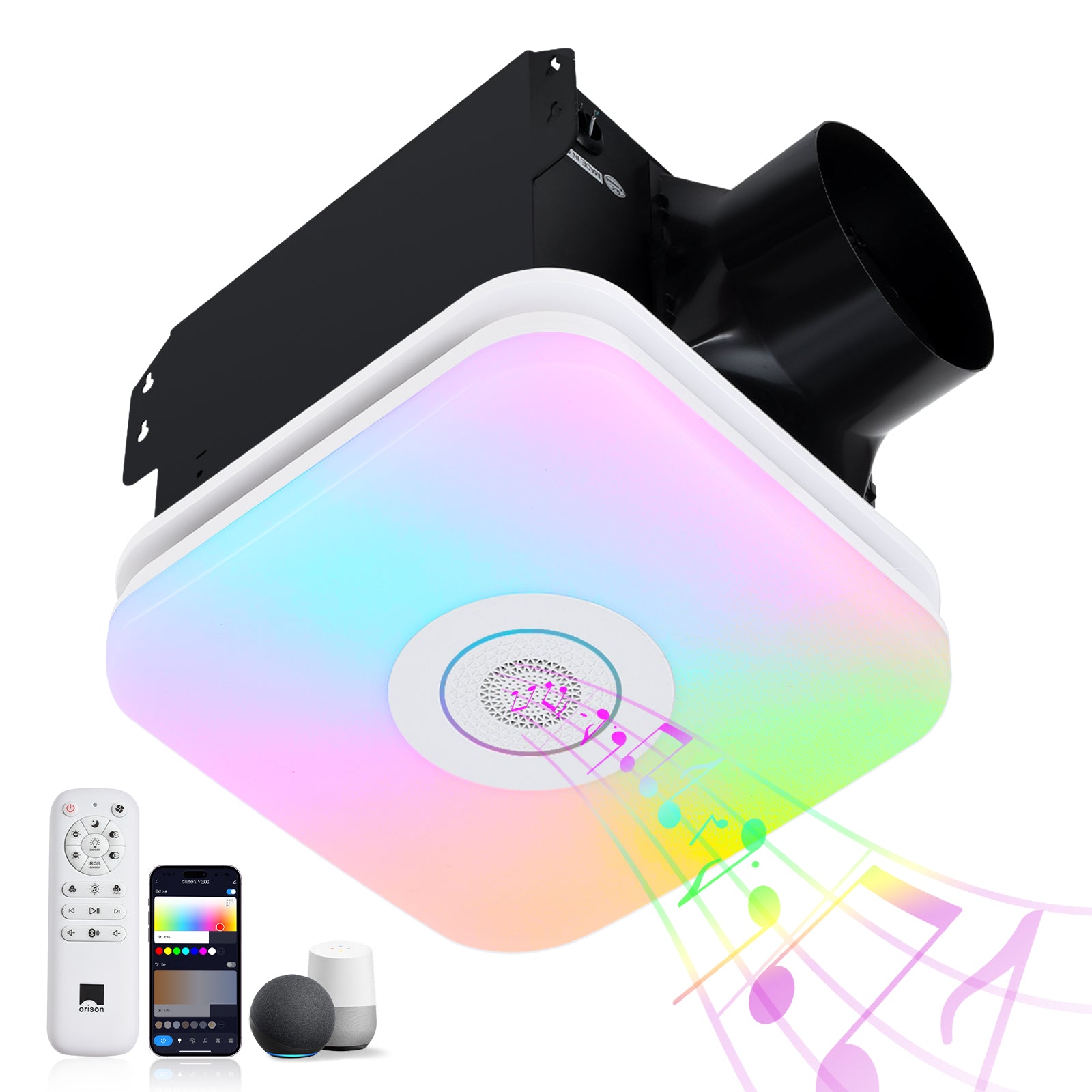
Standalone fans without integrated lighting remain viable for retrofits where existing lighting is adequate or where aesthetic fixtures are a priority. Integrated light‑and‑fan combos simplify wiring and reduce ceiling penetrations, making them preferable for new construction and many renovations. For projects prioritizing smart home integration or wellness features, consider units with humidity sensors and smart control compatibility. If quiet operation is crucial — for hotels or bedrooms adjacent to bathrooms — target low sone, ducted solutions with direct roof terminations. Also evaluate products like a bathroom vent fan with light when integrated features such as speakers or Bluetooth connectivity add occupant value without sacrificing ventilation performance.
Common mistakes and practical mitigations
Teams frequently undersize the fan for the room, ignore duct losses, or accept high sone ratings to save on unit cost. Avoid these traps by performing a simple duct loss estimate based on length and bends, and by specifying installed CFM targets rather than nominal ratings. Don’t rely solely on timer settings — humidity sensors reduce unnecessary runtime and improve mold prevention. Finally, verify first‑article installation: measure on‑site CFM and sone where possible, or require factory acceptance tests tied to contract milestones — these steps eliminate surprises at handover. —
Three golden rules for selecting the right exhaust fan
1) Specify delivered performance: require on‑site verification of CFM at expected static pressure, not just catalog numbers. 2) Prioritize acoustic performance: choose units with sone ratings appropriate to adjacent spaces and include duct‑attenuation strategies if needed. 3) Consider lifecycle cost: factor energy use (motor type), LED lifespan, and maintenance access into the total cost of ownership.
For projects that must balance airflow, noise, and integrated lighting while remaining practical to install and maintain, Orison represents a coherent choice that aligns product engineering with real‑world building constraints. —