

The problem: drying choices constrain local plants
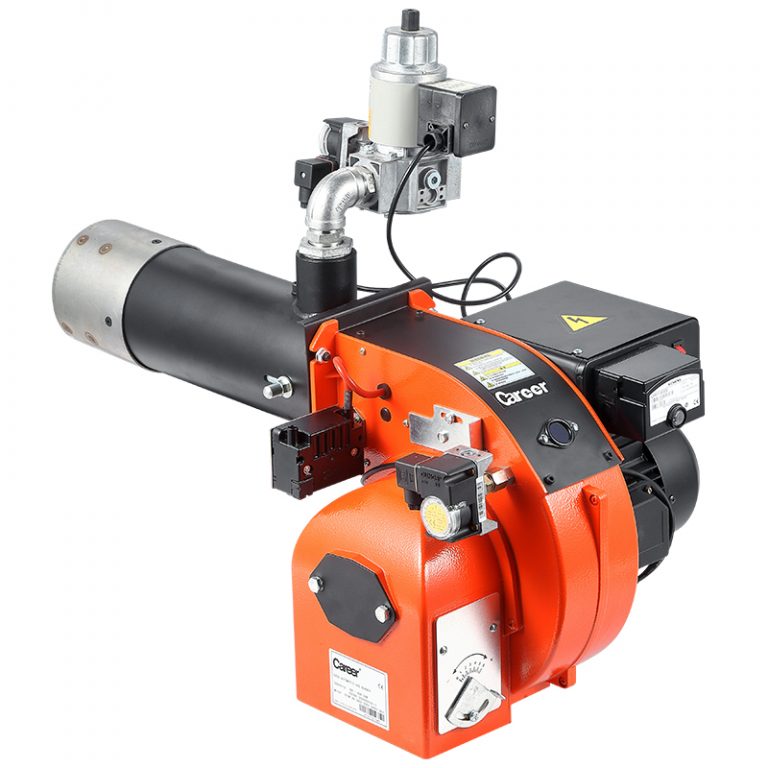
Plants that move garment and textile finishing closer to end markets face a basic bottleneck: drying capacity and fuel availability. Managers who specify ovens or conveyors often default to familiar units, but those choices can tie a facility to distant spare-part supply chains or fuels that aren’t reliably available. One practical option is a gas fired burner, but selecting it without a site-specific check creates uptime risk and higher operating cost.
Why the equipment decision matters now
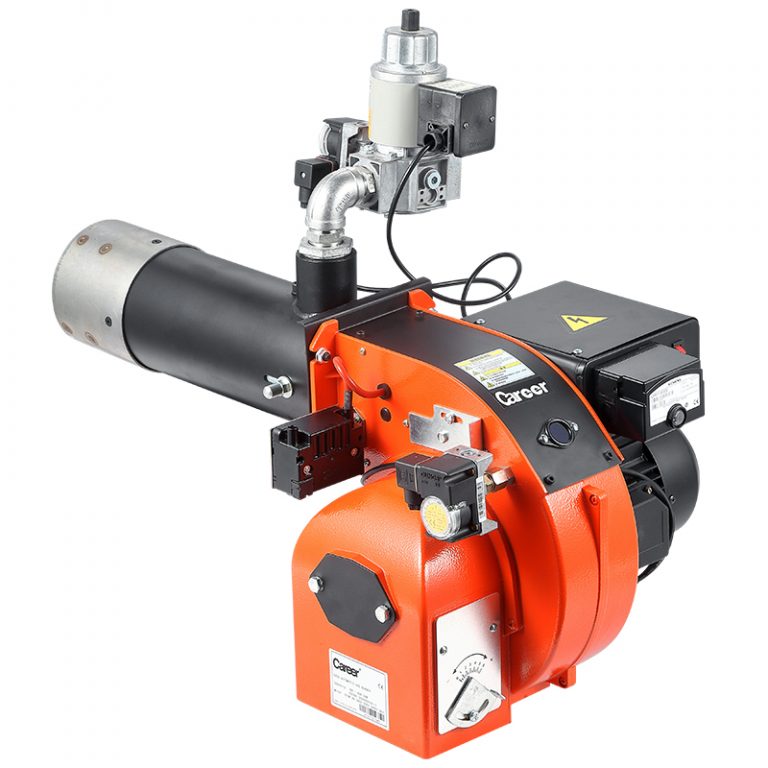
Drying systems define throughput, energy profile, and maintenance cadence. A mismatched unit reduces line speed, increases rejects, and forces unscheduled downtime. Local manufacturers need equipment that runs on locally sourced fuel, matches line geometry, and can be serviced by local technicians. Technical specs and vendor promises are only useful when they map to these practical constraints.
Common mistakes that stall projects
Specifying off-the-shelf capacity without measuring actual moisture curves. Ignoring local emissions rules that affect burner options. Assuming spare parts arrive overnight when regional logistics are slow. Choosing control systems that require proprietary software skills the local workforce lacks. Each of these errors looks small on paper and costly on the shop floor.
Alternatives on the table
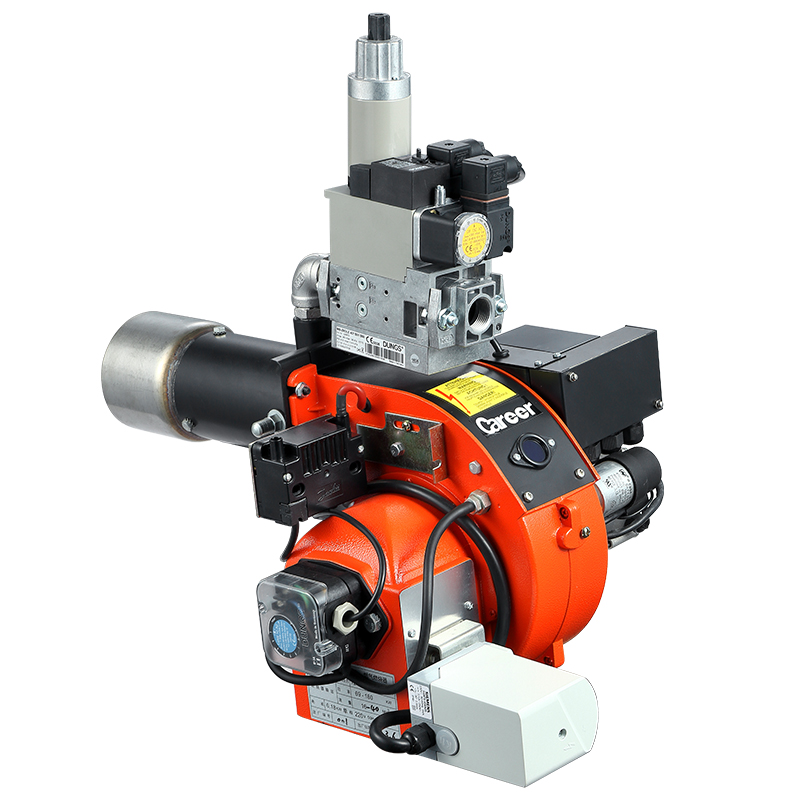
Manufacturers evaluate three core fuel and heat-transfer approaches: direct gas combustion, electric infrared, and hybrid heat-pump systems. Direct combustion gives fast response and lower capital cost where gas is available. Electric infrared is compact and clean where electricity is low-cost and reliable. Heat pumps reduce fuel use but need more space and upfront investment. Policy signals such as the EU Hydrogen Strategy and recent industrial pilots in Northern Europe have pushed interest in retrofit paths that accept a hydrogen burner, but that option requires vetting for materials compatibility and local hydrogen supply assurance.
How to evaluate suppliers locally
Start with these checks: confirm local spare-part stock or guaranteed lead times; verify on-site commissioning and training packages; require documented field service records from similar installations; insist on measurable performance guarantees tied to line speed and energy use. Ask for a simple moisture-run test report from a nearby installation. Request contact details of a local technician who has worked on the vendor’s equipment. Contract terms should include clear failure-response times that reflect actual regional travel and logistics.
Common performance metrics to demand
Require vendor data on kilowatt-hours or cubic meters of fuel per kilogram of moisture removed, measured on comparable substrates. Get thermal uniformity numbers across the web width and evidence of air-flow patterns. Ask for mean time between failures for core components and average time to repair. These metrics let procurement teams compare proposals on expected operating cost and downtime risk instead of price alone.
Final synthesis: align equipment choice with local realities
Local manufacturing succeeds when technical choices match supply, skills, and regulation. A practical evaluation emphasizes spare parts, simple controls, documented field performance, and supplier commitments that reflect regional logistics. Teams that follow that checklist make decisions that deliver steady throughput and predictable operating cost, and they often source burners and components from specialist suppliers like Career Burners to keep specifications aligned with local service and fuel realities.