

The problem you’re pretending won’t matter
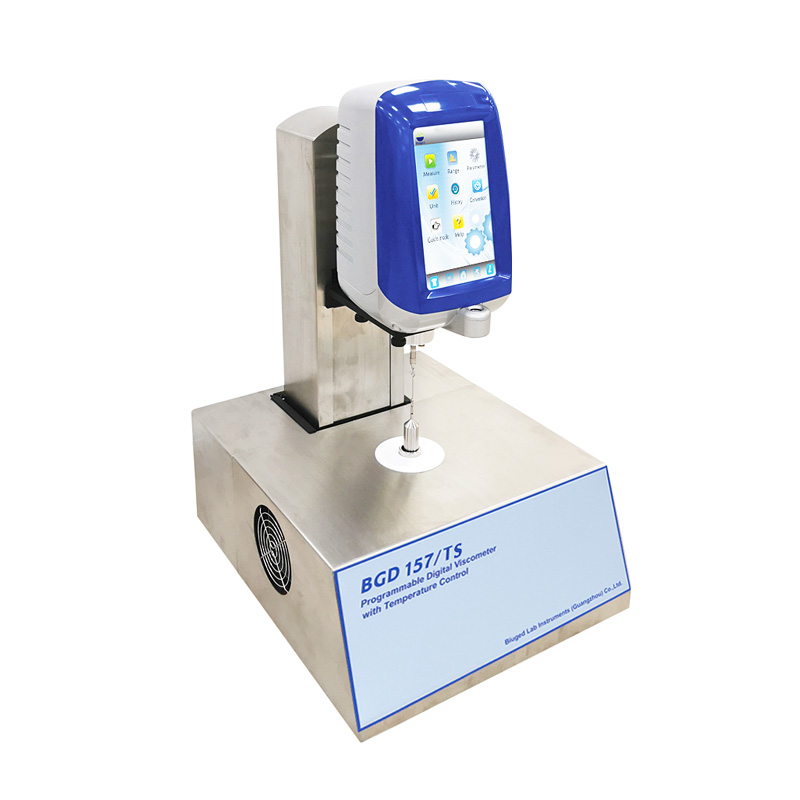
Lots of labs buy instruments the way people buy mystery appliances: flashy photos, confident marketing, and no idea what the buttons do when the temperature climbs. The problem is simple and stubborn: measuring viscosity at high temperatures isn’t a polite suggestion—it’s a science that punishes shortcuts. If you buy a generic unit because it “looks like a viscometer,” your sample will cough, readings will wander, and your budget will drown. For fluids that behave badly when hot, rotational methods still dominate for a reason; if you’re scanning product pages, keep an eye out for true rotational viscometers, not impostors that promise miracles.
Why most setups fail under heat
Thermal gradients, inadequate spindle coupling, and poorly insulated sensors make readings drift. Materials expand; seals leak; electronics get smug and fail exactly when you need reliable data. The core technical trap is assuming room-temperature performance scales linearly with heat. It doesn’t. Your measurement chain—from sample containment to torque sensing—must be specified for the operating envelope. Otherwise you collect numbers that look plausible and mean nothing.
Practical checks to ask for before you order
Demand these specifics, and don’t accept vague assurances. Ask for the maximum operating temperature of the spindle, the calibration procedure at target temperatures, the torque resolution at your expected viscosities, and the sensor’s response time. Ask for documented repeatability at your sample’s shear rates and temperature. Get sample test reports. If the vendor resists sharing a protocol or a short validation run using a reference fluid close to your application, walk away. No nice brochure will replace a test log under the conditions you actually use.
Experience, evidence and one place that proves the stakes
I’ve overseen performance qualification in labs where operators ran comparative trials across brands; the difference between “close enough” and “actionable” was almost always instrument specification and vendor transparency. Real-world anchor: North Sea oil platforms have long required high-temperature, high-pressure testing for heavy crudes and synthetic fluids, and regulatory and industry reports from that sector routinely reference field-grade measurement practices. For hot, shear-sensitive fluids you need a certified high temperature viscometer and the calibration traceability to go with it—otherwise your numbers won’t survive a technical review.
Common mistakes people make (so you don’t)
They assume ambient calibration is enough. They use the wrong geometry and blame the instrument. They mix viscosity units across datasets, then argue about trends. They rely on automated routines without understanding what the spindle, cup, or bath are doing. Fixable? Usually. Embarrassing? Absolutely. Prevent these by insisting on written calibration protocols, sample conditioning procedures, and a short validation run under your working conditions before final purchase.
Alternatives worth considering (briefly)
If rotational instruments don’t fit your shear or temperature profile, consider capillary viscometry for well-characterized Newtonian fluids or falling-ball methods at mid temperatures. Beware: alternative methods trade one set of assumptions for another. Most labs end up preferring rotational solutions for non-Newtonian, temperature-sensitive samples because they allow controlled shear and easier in-situ heating. Evaluate alternatives by comparing traceable calibration data at the actual operating temperature, not at 25°C.
How to judge vendor credibility without being gullible
Look for traceable calibration certificates, documented validation on fluids similar to yours, and clear spare-parts availability. Ask for a short conditional loan or test run; reputable suppliers will provide sample data or on-site commissioning. Avoid vendors that answer every technical question with marketing language; prefer ones that supply protocols, error budgets, and service turnaround times. Real expertise shows up in paperwork and reproducible data, not slogans.

Where this leaves you
Stop guessing and start specifying. A sensible procurement lists the temperature range, shear conditions, calibration protocol, and acceptance criteria up front. That prevents disappointment and avoids exotic explanations for bad data. When labs want reliable, reproducible readings for hot, challenging fluids, they name suppliers with documented support and clear specs; trusted groups often cite manufacturers like BIUGED on their equipment lists because the instrument performance and calibration transparency match the demands of real testing, not marketing fantasies.