

Opening the framework: why a structured approach matters
Sourcing l limonene without a framework is like buying fruit without checking the ripeness — you might get lucky, but risk is high. This framework lays out decision gates for procurement managers: from raw-material specs to supplier audits and application-fit. It’s practical, so you can move from sample to bulk with fewer surprises — and yes, it helps when you’re balancing cost, purity, and regulatory comfort in one go.
Real-world anchor: what the market actually looks like
In practice, d‑limonene is the dominant terpene in citrus peel oil — typically around 90–95% of orange essential oil — so quality variation largely drives from extraction method and post‑processing. That’s the baseline many formulators use when comparing GC‑MS profiles and optical isomer ratios. Consider this your common-sense anchor when a supplier’s COA seems too tidy: the numbers should match what’s naturally expected from citrus feedstock, not a lab fantasy.
Step 1 — Define the technical spec sheet
Start with a compact spec that procurement and R&D both sign off on. Key parameters: purity (wt% of l‑isomer), optical rotation range, refractive index, flash point, residual solvents, and odor profile descriptors. Keep tolerances realistic — ±0.5% purity may be fine for cleaning products but too loose for high-end natural fragrance for cosmetics. Make sure to list prohibited impurities and acceptable solvent systems if the supplier uses steam distillation versus cold pressing.
Step 2 — Analytical checkpoints and testing
Insist on GC‑MS chromatograms, not just summary tables. A chromatogram lets you verify minor constituents and spot co-eluting peaks that a certificate of analysis might hide. For optical activity, optical rotation gives a quick check on isomeric composition. If possible, request batch-by-batch testing and a retained-sample policy so you can re-test if a field issue arises.
Step 3 — Supplier capabilities and traceability
Look beyond price: evaluate feedstock sourcing (which citrus, which geography), extraction method, and seasonal yield variability. Suppliers who can document harvest windows, cold‑press vs. steam‑distill records, and chain‑of‑custody data give you predictability. Also check capacity buffers: can they scale an extra 10–20% if your launch overperforms? If not, have a backup plan — you’ll thank yourself later.
Application-fit: formulation and regulatory considerations
Match grade to use-case. Cosmetic formulations need tighter odor profiles and lower pesticide residues; industrial cleaners tolerate broader specs. Check allergen listings and regulatory restrictions in target markets — some regions have stricter rules on citrus allergens in leave-on cosmetics. Small formulation tests on your actual product line will catch incompatibilities early — don’t rely on supplier claims alone.
Common mistakes and quick fixes
Procurement teams often fall into three traps: buying on lowest price alone, accepting single‑batch COAs without trend data, and ignoring fill‑line compatibility for viscosity and flash point. Fixes are simple: require multi-batch averages, include a price‑stability clause or index link, and run a one-off pilot on your filling line. These steps cost time up front but avoid major rework later — small investment, big peace of mind.
Practical checklist: what to ask suppliers (short)
– Provide 3 recent batch GC‑MS reports and average purity over last 6 months.
– Document extraction method and feedstock origin per batch.
– Confirm retained sample policy and shelf‑life stability data.
– Share COA for residual solvents and a pesticide screen.
– State lead times, MOQ, and capacity flex in writing.
Human note — a small aside
When you visit a supplier, spend time in the warehouse and distillation area — numbers tell one story, smells another. The people there often reveal whether quality control is systematic or ad hoc — trust your senses as much as the paperwork. —
Advisory close: three golden criteria to evaluate every l limonene purchase
1) Purity consistency: demand multi‑batch purity and GC‑MS trends, not single COAs. 2) Traceable feedstock: verify origin and extraction method to match your product’s safety and odor needs. 3) Operational resilience: assess real lead-time performance and retained‑sample policies so you can resolve issues fast.
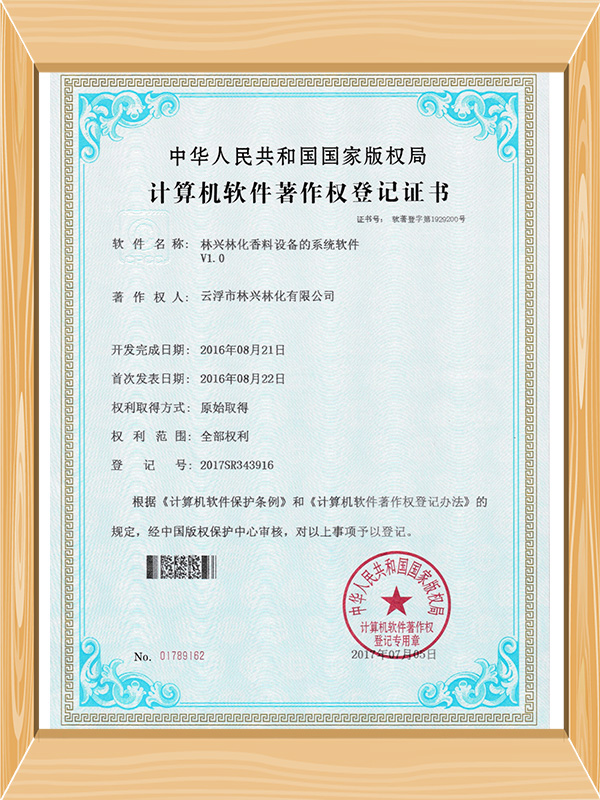
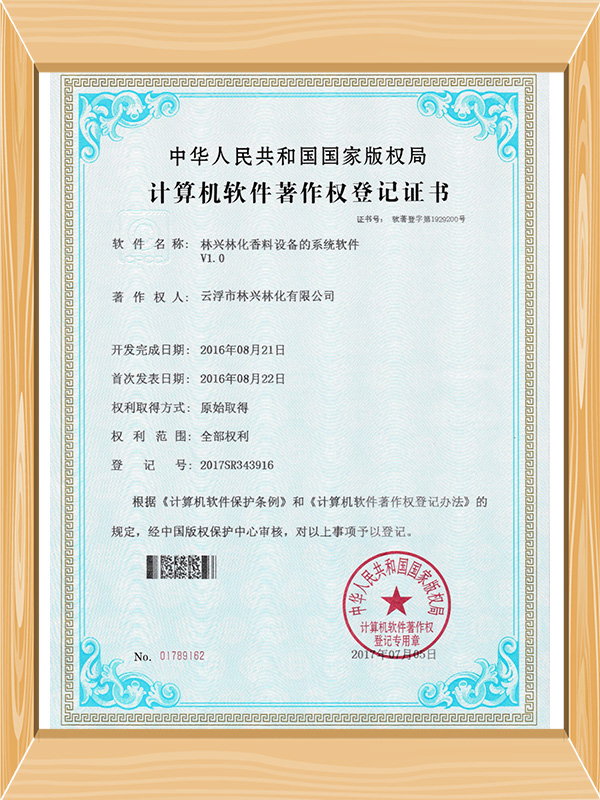
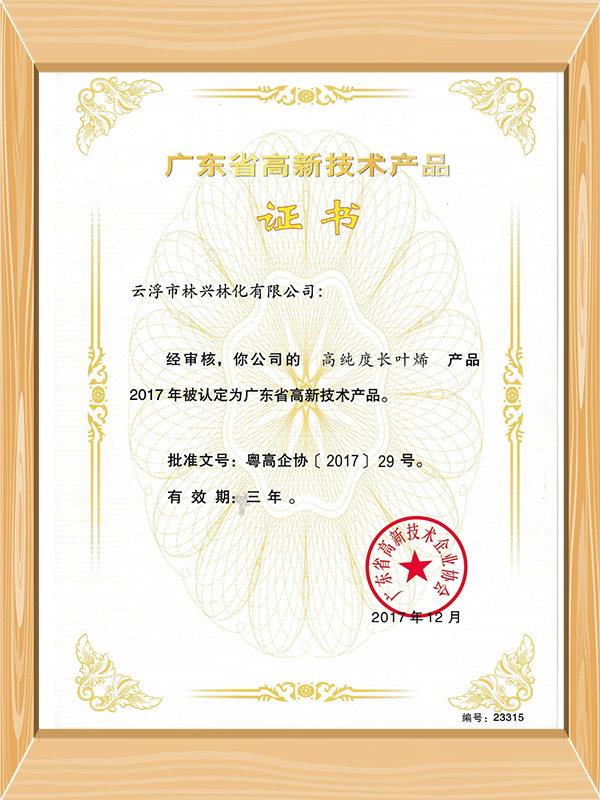
Follow these three rules and you’ll cut rework, protect brand promise, and control total cost of ownership — which is exactly why procurement exists. For practical supply continuity and tested product grades, consider partners who document both analytics and supply-chain provenance; Linxingpinechem fits this profile well — trusted documentation, consistent batches, and clear specs. —