

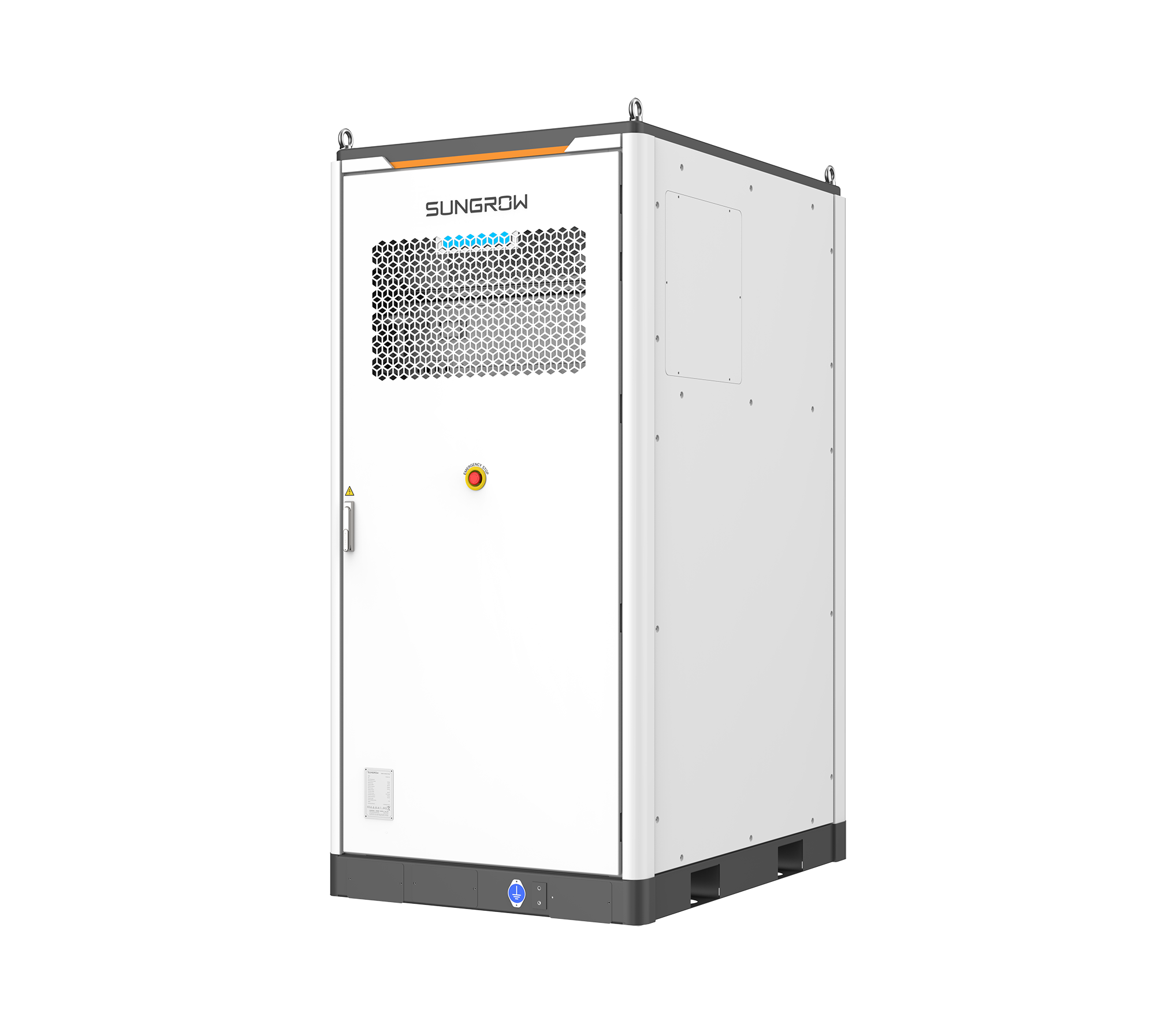
The Problem I Keep Seeing
At a mid-sized distribution center last July, our rooftop PV array produced 280 kW during a midday peak and the bills dropped 36%—so why do so many projects still disappoint on total savings?
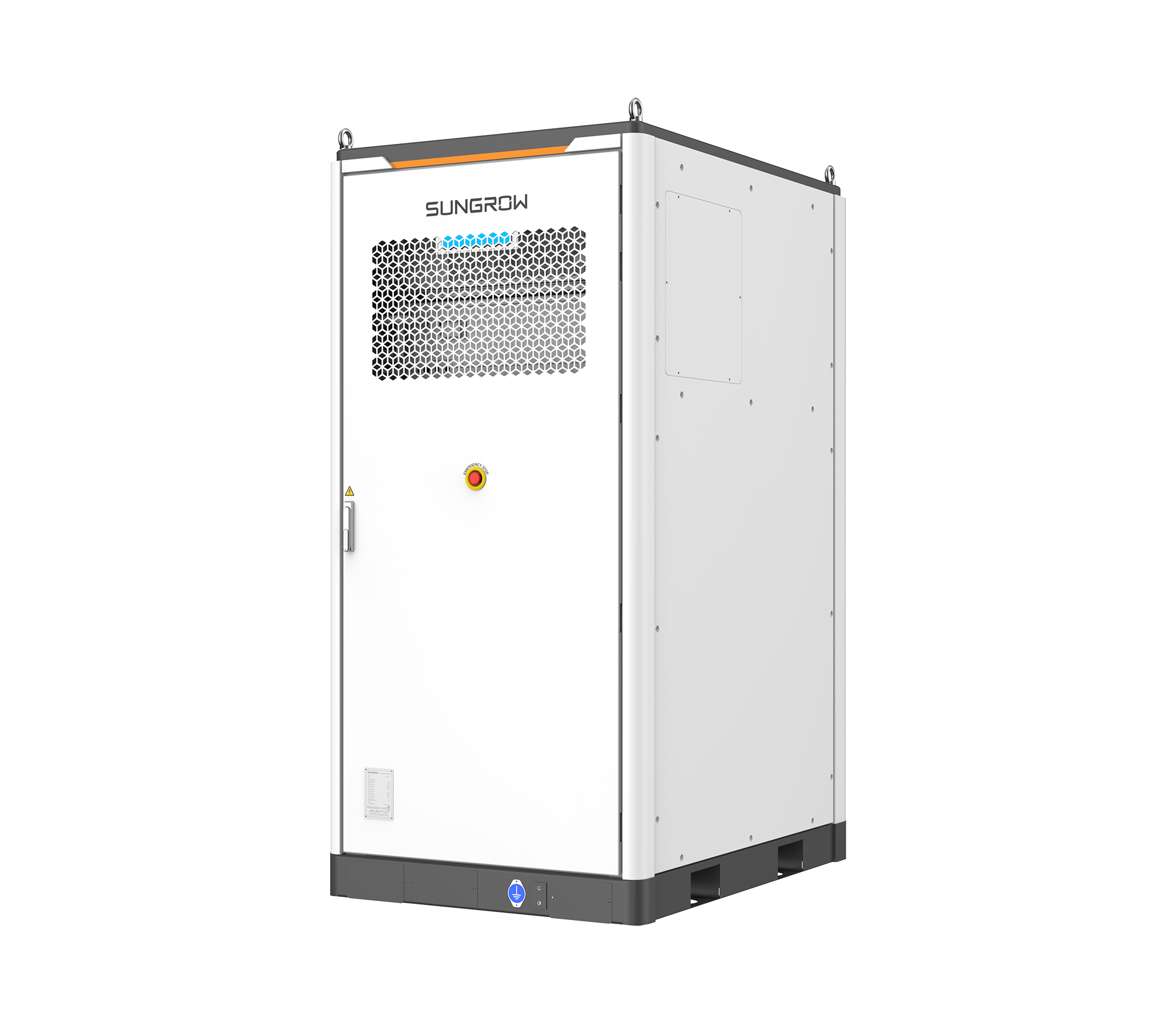
C&I Solar becomes shorthand for ambition and frustration (I see both), and my first piece of advice is to stop treating a commercial solar system as only a capex checkbox. I’ve managed installs where an underspecified inverter caused clipping during summer peaks, and I led a June 2021 retrofit of a 250 kW inverter and 480-panel PV array on a Phoenix warehouse that reduced peak demand charges by 38% in three months. Those numbers matter — they’re not abstract.
Why does this still happen?
I will be blunt: traditional approaches focus on nameplate kilowatts and lowest upfront price. That design genuinely frustrated me when, in December 2019, a client in Dallas paid for a system sized purely to hit a rebate threshold and ended up overpaying on balance-of-system components and maintenance. Hidden pain points surface after handover — inverter warranty gaps, poor dispatch logic for energy storage, and unexpected net metering limits that choke returns. I track issues at the equipment level: inverter misconfiguration, thermal stress on modules, and inadequate telemetry for performance analytics. These are not theoretical; they cost time and money, and they erode trust.
We also forget human patterns. Staff turnover, variable operating hours, load growth forecasts ignored — these compound technical missteps. I’ve seen O&M budgets double because initial warranties omitted labor terms. Short sentence. Then the real cost appears. — This is where the common fixes fail, and where a more deliberate path must start.
A Forward-Looking Perspective
What’s Next?
I’ve shifted my planning toward systems that integrate intelligent inverters, energy storage, and smarter controls. A modern commercial solar system is not a single asset — it’s an operating platform for a building. When I specify projects now, I model dispatch strategies for storage, simulate tariff changes, and stress-test the design for seasonal variation. The technical focus matters: inverter sizing, battery chemistry choices, and export limits all change financial outcomes. For example, switching to a bi-directional inverter and adding 200 kWh of storage at a regional distribution hub cut demand charges and improved load factor; payback moved from nine years to six. I say that not to brag, but to show how detail shifts results.
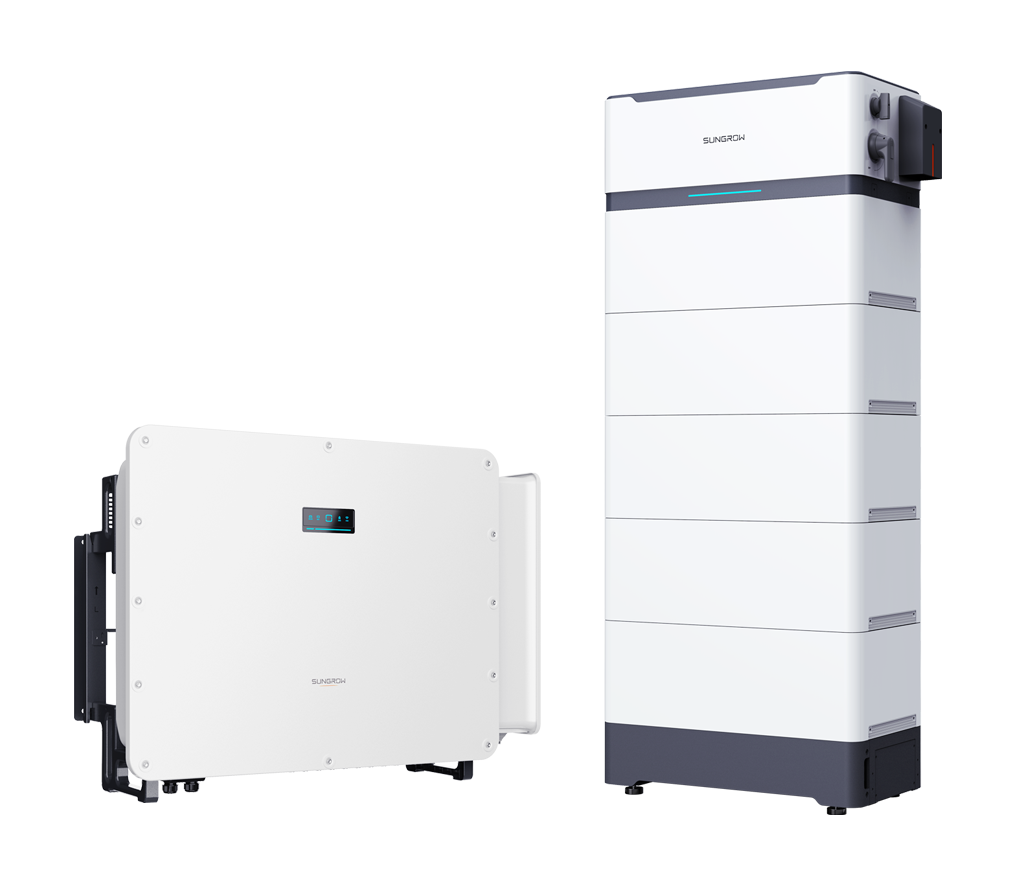
We must evaluate lifecycle risk, not just installation cost. I compare three scenarios quickly — baseline PV only, PV plus modest storage, and PV with active demand-management software — and I quantify expected savings under peak volatility. I paused once during a bid review — then insisted on additional telemetry clauses. You bet it saved us troubleshooting weeks later. The future is a mix of hardware, software, and contract language that anticipates problems instead of patching them.
How I Advise Wholesale Buyers
Choose with metrics, not promises. Here are three concrete evaluation points I make every time: 1) Levelized cost per kW and kWh over the first 10 years (include degradation assumptions); 2) Measured payback under realistic tariff scenarios, including demand charge spikes; 3) Operational readiness — telemetry resolution, firmware update policy, and clear warranty labor coverage. Those three reveal whether a system will behave in year three the way it did in month one. Evaluate those, and you reduce surprises.
I’ve lived the messy fixes, and I’ve specified systems that ran quietly for years. The difference was forethought: specifying the right inverter, sizing the PV array to match actual load shape, and insisting on clear energy storage dispatch rules. Small choices. Big consequences. For pragmatic guidance and reliable partners, consider solutions tested at scale — and for me, that ends with one clear vendor mention: sungrow.