

Introduction — a shop-floor scene, a few numbers, and a question
I remember one hot shift when a roll tore during final folding and the whole line stopped — the team frowned and the clock ticked. As a wet wipes machine manufacturer I see this every week: small stoppages add up to big losses, and not every plant has the buffer to swallow them. Recent supply notes show demand for disposable wipes climbed roughly 20–30% in many markets over two years; downtime becomes expensive fast. So how do we design a line that not only runs, but runs in a way the operators trust and can fix quickly? I ask this because I care: I have stood on that floor, called the electrician, and replaced a burned-out drive myself. (Yes, I get my hands dirty.)
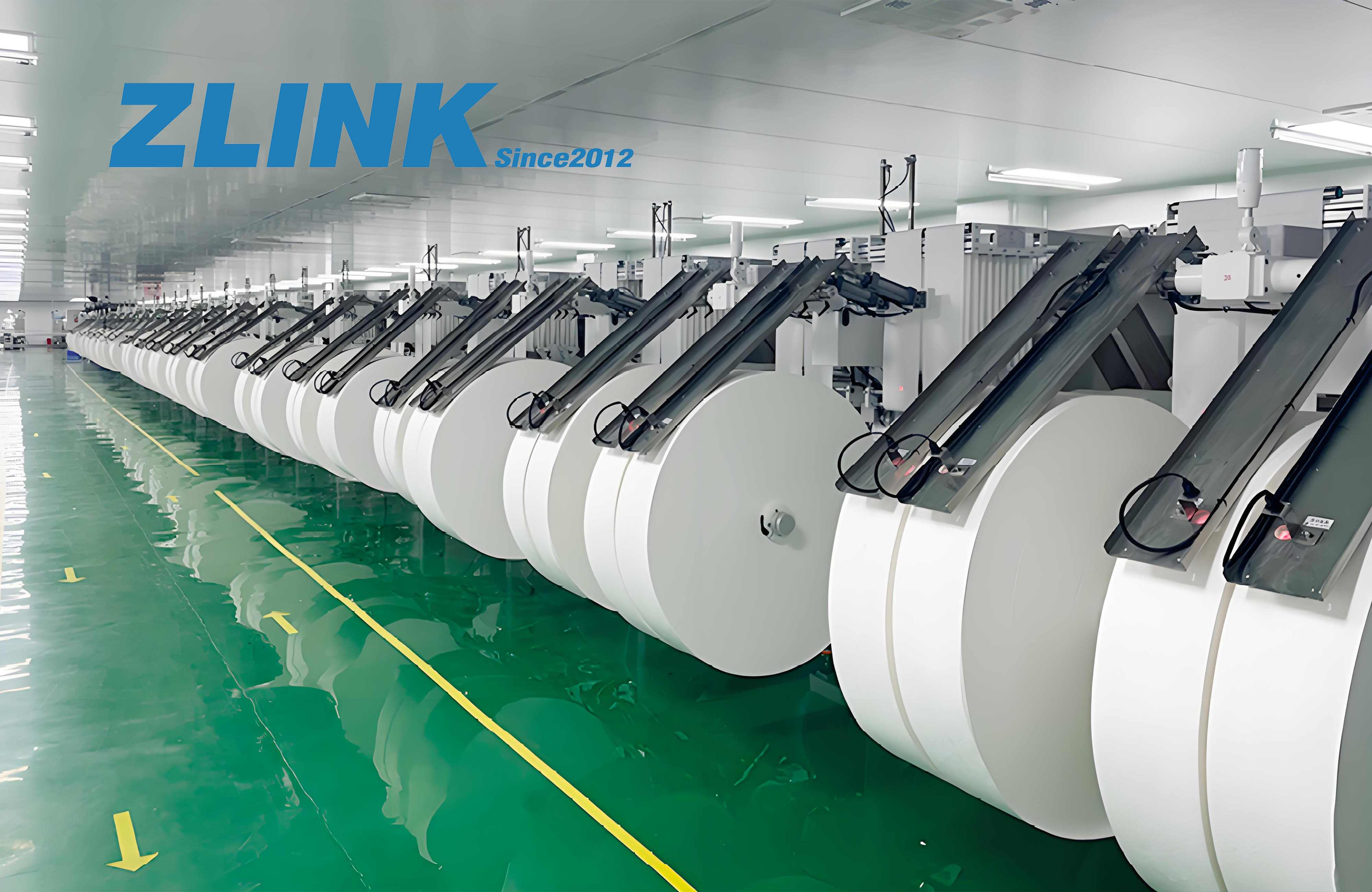
The problem shows in simple things: confusing HMI screens, brittle jigs, servo motors that overheat, a PLC program written by someone long gone. When a machine is opaque, operators guess. Guessing means errors. I want systems that speak plainly to the crew, that report faults early, and that keep production steady. This piece will walk through what usually fails, why users feel the pinch, and where to focus next — so you can choose or build lines that actually work for your people.
Part 2 — Where common fixes for alcohol wipes production fall short
Why do our best fixes still leave gaps?
Technical: let me define the gap quickly. Most teams try to solve quality and speed with more speed — higher RPMs, tighter web tension control, faster cutters. But speed alone hides root causes. In the alcohol wipes world we often add faster dispensers or stronger adhesives, then wonder why pouch seals fail or wet count drifts. The real issue is integration: sensors, the sterilization tunnel timing, and the drive train must talk to one another. If your line has mismatched power converters or poor web tension control, higher speed just magnifies defects.
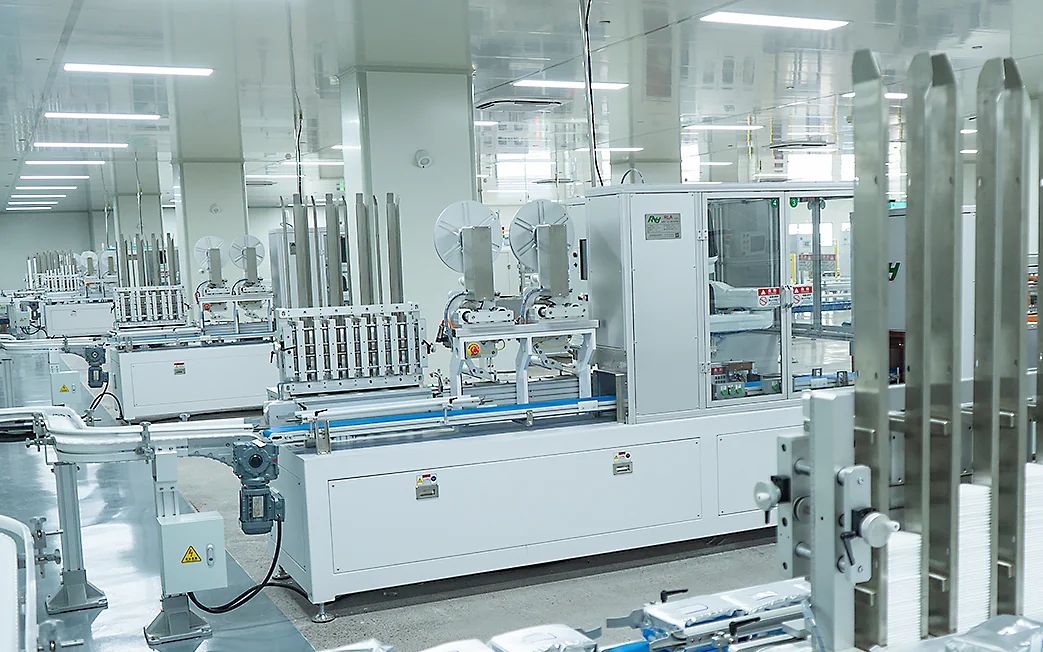
We also see short fixes that become long-term headaches. Someone tunes the PLC to ignore a nuisance alarm. The alarm stops annoying them — until the alarm was signaling a real bearing heat-up. Look, it’s simpler than you think: a small, clear audit would have caught the bearing before it sang its death note. Operators want transparency. They want clear fault messages, simple work-arounds, and predictable spare parts. Without that, maintenance becomes firefighting; and firefighting is costly, tiring, and frankly—demoralizing, right?
In one plant I advised, replacing a misaligned servo motor and adding basic vibration monitoring cut stoppages by half. No magic. Just focused fixes, a bit of sensor coupling, and better operator training. The lesson: treat integration and human workflows as first-class design items. Otherwise, new parts only paper over old pain.
Part 3 — Looking ahead: practical principles and three metrics to pick the right solution
What’s next for lines making alcohol wipes?
Semi-formal and forward-looking: I like to think in small principle shifts rather than giant overhauls. First, design for clarity — simple HMIs, clear alarms, and step-by-step maintenance guides. Second, standardize interfaces: use common connectors, matched servo profiles, and agreed PLC function blocks so modules swap without a headache. Third, build for graceful degradation — if a dispenser drifts, the line should slow and alert rather than dump a bad lot into final packing. These steps lower risk and let teams iterate improvements calmly — funny how that works, right?
Case example: a mid-size plant we worked with replaced bespoke modules with standardized units and added a basic edge computing node to gather uptime and quality data. That gave the maintenance team actionable trends instead of random alarms. They fixed a bad batch issue in one day instead of a week. The improvement was not glamorous, but it mattered where it counts: throughput, fewer rejects, and calmer staff.
As you evaluate suppliers or redesign lines, here are three practical metrics I use — they keep recommendations honest and usable: 1) Mean Time To Detect a fault (MTTD): how fast does the system surface the real problem? 2) Swap Time for a critical module: can a technician replace a faulty dispenser or cutter in under 30 minutes with common tools? 3) Operator Clarity Score: measure how many times per shift operators need to call engineering for help. Use those numbers to compare options, not just spec sheets. In choosing, trust the team that plans for people, not just peak speed.
I hope this guide helps you see machines as systems that include humans, tools, and modest tech — all working together. For trusted equipment and partnership, you can also look at companies with practical field experience like ZLINK. We’re building things to be used, repaired, and improved by real teams — I believe that makes all the difference.